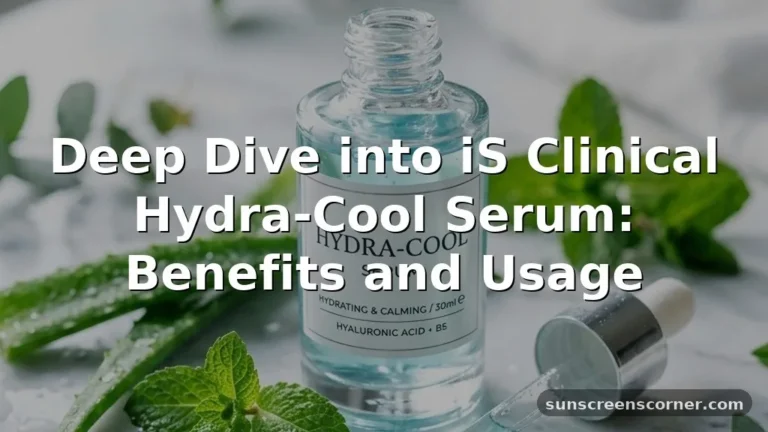
Navigating a skincare routine while expecting can feel like a minefield of conflicting advice, especially when you are trying to maintain that elusive pregnancy glow. Many expectant mothers wonder if their favorite vitamin serum is still a reliable choice or if it needs to be swapped out for something else entirely. The good news is that for most people, incorporating topical antioxidants into your daily regimen is generally considered safe by dermatologists, provided you are paying attention to the specific ingredients in your formula.
Understanding Vitamin C in Your Skincare Routine
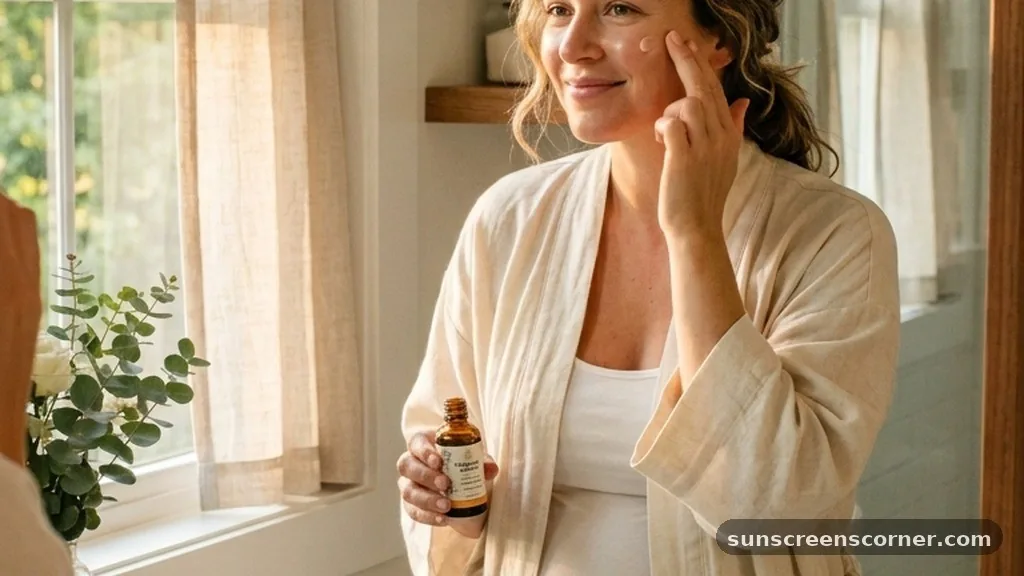
Vitamin C is a powerhouse ingredient, famous for brightening dull skin and helping to fade stubborn dark spots. When you are pregnant, hormonal fluctuations often trigger hyperpigmentation, commonly known as the “mask of pregnancy” or melasma. Because of this, many people look for a product that can help even out their complexion without risking the health of their baby.
Most medical experts agree that vitamin C is a vital nutrient for both you and your developing baby, and applying it to your skin is typically fine. Unlike retinol, which is strictly off-limits due to its high concentration of vitamin A derivatives that can cause birth defects, vitamin C is a water-soluble antioxidant. It doesn’t penetrate the bloodstream in levels high enough to cause concern, making it a staple for many looking to brighten their complexion safely.
Forms of Vitamin C and What to Look For
Not all serums are created equal, and the specific derivative matters when you are selecting your products. You might see various names on the label, and it is helpful to understand the difference between them so you can make an informed choice.
L-Ascorbic Acid Explained
L-ascorbic acid is the most potent and studied form of vitamin C. It is highly effective at neutralizing free radicals and boosting collagen production. While it is quite acidic, which can sometimes irritate sensitive skin—a common side effect of pregnancy—it is generally considered safe to use. If your skin feels a bit more reactive than usual, you might want to start with a lower percentage or apply it every other day.
Gentler Alternatives: Ascorbyl Derivatives
If your skin is feeling particularly sensitive, you might prefer a derivative like ascorbyl glucoside or magnesium ascorbyl phosphate. These are often more stable and less irritating than pure l-ascorbic acid. They still provide the same brightening benefits but in a much gentler formula that is less likely to cause redness or stinging. These are often found in Korean skincare lines, which are known for their focus on hydration and soothing ingredients.
Ingredients to Avoid While Expectant
While vitamin C is a green light for most, there are other common skincare ingredients that you should definitely pause until after the baby arrives. Knowing what to avoid is just as important as knowing what is safe.
| Ingredient | Status | Why to Avoid |
|---|---|---|
| Retinoids (Retinol) | Avoid | Linked to potential birth defects and developmental issues. |
| Hydroquinone | Avoid | High systemic absorption rates can be risky for the fetus. |
| High-dose Salicylic Acid | Caution | Oral forms are out; topical use in low percentages is debated. |
| Phthalates/Parabens | Avoid | Potential endocrine disruptors that may affect hormones. |
Always check your ingredient lists carefully. If you are ever in doubt about a specific product, bring the bottle or a photo of the label to your next prenatal appointment. Your OB-GYN is your best resource for personalized medical advice regarding your health and the safety of your beauty regimen.
Addressing Topical Safety and Absorption
A common concern is how much of what we put on our bodies actually ends up in our system. The skin is a barrier, but it is not impenetrable.
When you apply a vitamin serum, the goal is for it to work on the surface layers of the epidermis. Because vitamin C is water-soluble, it doesn’t store in the body’s fat tissues, which is why it is widely regarded as a low-risk addition to your routine.
However, the efficacy of these products relies heavily on the quality of the delivery system. High-quality brands often pair vitamin C with ferulic acid or vitamin E to stabilize the formula. Is vitamin E serum safe during pregnancy? Yes, it is widely considered safe, and it actually helps the vitamin C work better by protecting it from oxidation. If you find a serum that combines these, you are getting a highly effective antioxidant boost that is perfectly fine for your skin.
The Role of Niacinamide and Other Actives
Many people ask, is niacinamide safe during pregnancy? Niacinamide, or vitamin B3, is another excellent ingredient that pairs beautifully with vitamin C. It is well-tolerated by almost all skin types and is highly effective at calming inflammation, which is a common issue when your hormones are shifting. You don’t have to worry about using it alongside your brightening serum, as they play very well together.
When it comes to azelaic acid, it is often recommended by dermatologists as a pregnancy-safe alternative to retinoids for managing acne and melasma. It is generally considered safe in concentrations up to 10% or sometimes higher, depending on your doctor’s recommendation. It is a fantastic tool to keep in your kit if you are struggling with breakouts during the second or third trimester.
Topical Gaps: What You Might Be Missing
There is a lot of talk about what you can use, but often, the “how” is overlooked. Many people apply their serums way too quickly. To get the most out of your vitamin serum, apply it to clean, slightly damp skin.
This helps the product absorb more evenly. Because pregnancy can change your skin’s pH levels, you might find that products you used to love are suddenly causing a tingle.
If that happens, don’t force it. Just wait a few weeks and try again, or switch to a more moisturizing version.
Another gap in common knowledge is the importance of sun protection. Vitamin C is not a sunscreen, and it doesn’t replace the need for SPF.
In fact, because your skin is more prone to hyperpigmentation when you are pregnant, wearing a physical, mineral-based sunscreen (containing zinc oxide or titanium dioxide) is non-negotiable. Chemical sunscreens are sometimes debated, so many doctors suggest sticking to mineral options for peace of mind.
Maintaining Your Skin Health Through the Trimesters
Your skin’s needs will likely change from the first trimester to the third. In the beginning, you might deal with hormonal breakouts, while later on, you might experience dryness or increased sensitivity. Your routine should be flexible.
1. Morning: Cleanse gently, apply your antioxidant vitamin C serum, follow with a moisturizer, and finish with a mineral SPF.
2. Evening: Use a gentle cleanser, perhaps an azelaic acid treatment if you have stubborn spots, and a rich, fragrance-free night cream.
3. Weekly: Incorporate a hydrating mask to keep the skin barrier strong and resilient.
Consistency is key, but don’t feel pressured to have a ten-step process. Simple, effective, and safe is the best approach when your body is already doing the heavy lifting of growing a human.
Is it safe to use vitamin C serum every day during pregnancy?
Yes, it is generally safe to use daily, provided your skin isn’t experiencing excessive irritation or redness.
Can I continue using my regular vitamin C serum while pregnant?
Most standard vitamin C serums are safe, but double-check the label for retinoids or undisclosed synthetic fragrances.
Does vitamin C help with pregnancy-related melasma?
Yes, it helps brighten skin and fade dark spots, making it a popular choice for pregnancy-induced hyperpigmentation.
Are there any specific forms of vitamin C I should avoid?
No specific form is “unsafe,” but l-ascorbic acid may be too irritating for some during pregnancy-related sensitivity.
Should I consult my doctor before starting a new serum?
Always consult your OB-GYN before adding new active ingredients to your skincare routine while you are pregnant.
Is it okay to mix vitamin C with other actives?
Yes, it pairs well with niacinamide and vitamin E, but avoid mixing it with strong chemical exfoliants initially.
What if my skin becomes sensitive to my current serum?
Stop use immediately, switch to a milder derivative like ascorbyl glucoside, or apply it less frequently instead.