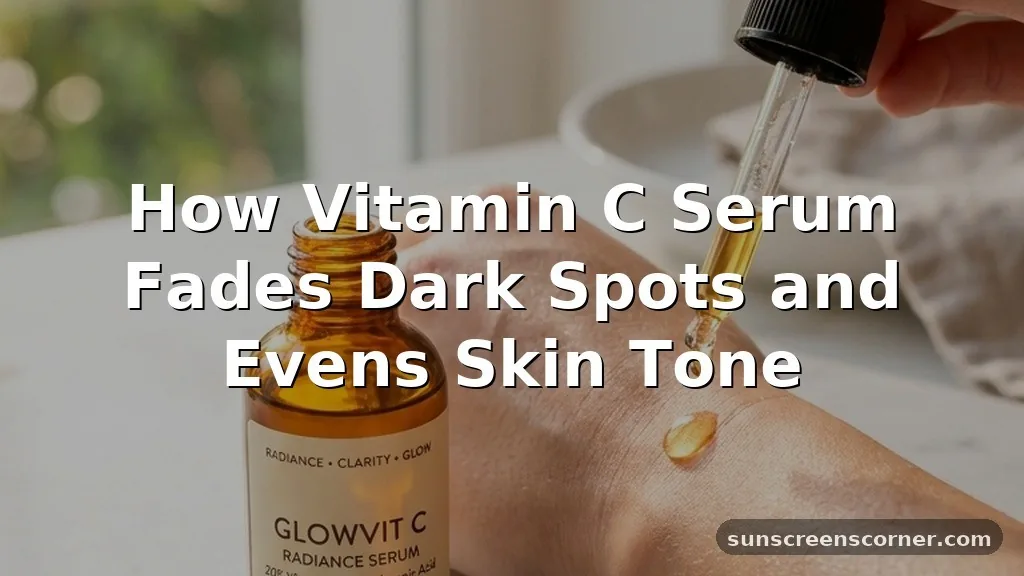
Achieving a bright, even complexion is a goal for many, and you’ve likely stumbled upon vitamin C serum as a primary solution. If you’re struggling with stubborn dark spots or general unevenness, understanding how this potent antioxidant interacts with your skin is the first step toward real results. While it’s not a magic eraser that works overnight, consistent use of a high-quality product can significantly shift the appearance of hyperpigmentation over time.
The Science Behind Vitamin C and Hyperpigmentation
To understand why this ingredient is a staple in modern skincare, we have to look at the biology of hyperpigmentation. Dark spots occur when melanocytes—the cells responsible for pigment—go into overdrive, often triggered by sun exposure, inflammation, or hormonal shifts. Vitamin C functions as a powerful inhibitor of tyrosinase, the enzyme that jumpstarts melanin production. By slowing down this process, it prevents new pigment from forming, which is why it’s so effective at keeping the face looking clear.
Beyond just blocking pigment, it serves as a robust defense against free radicals. Environmental stressors like UV rays and pollution generate these unstable molecules, which damage healthy cells and accelerate signs of aging.
Because vitamin C is a potent antioxidant, it neutralizes these threats before they can cause further oxidative stress. This dual-action approach—inhibiting pigment while protecting the skin—is what makes it a gold standard in clinical dermatology.
Choosing the Right Vitamin C Product
Not all serums are created equal, and the benefits you see depend heavily on the formulation. You’ll often see “L-ascorbic acid” on the label, which is the most researched and potent form of the vitamin.
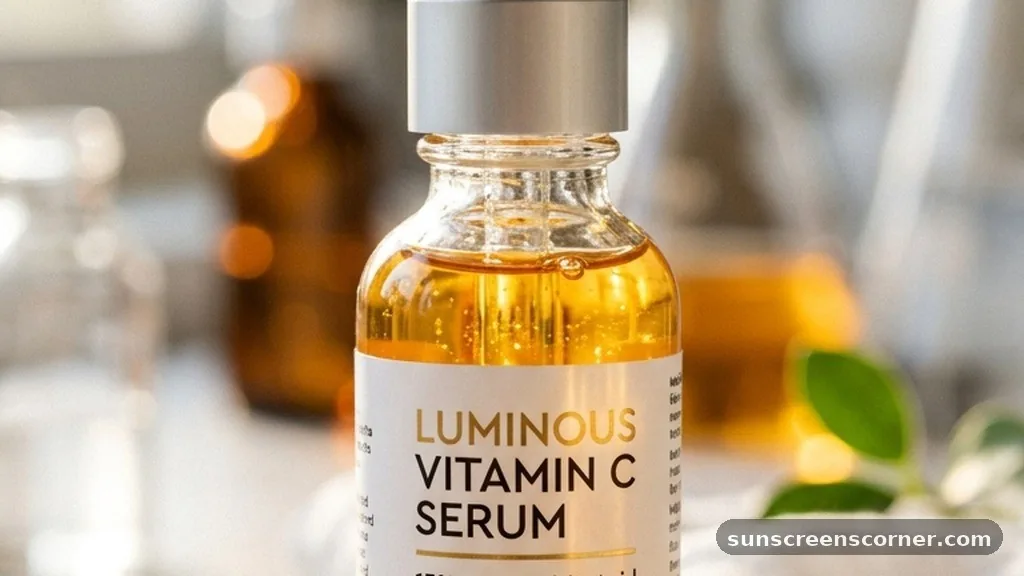
However, it can be finicky; it’s prone to oxidation when exposed to light or air. If your vitamin serum turns a dark orange or brown color, it’s likely lost its efficacy and won’t help your complexion much anymore.
When shopping for products, look for opaque, air-tight packaging to ensure stability. Additionally, concentration matters. A range between 10% and 20% is generally considered the “sweet spot” for most people.
Anything lower might be too weak to tackle deep-seated dark spots, while anything higher can cause irritation, especially if you have sensitive skin. It’s also common to see it paired with ferulic acid or vitamin E, which work synergistically to boost its stability and penetration.
How to Integrate Serum Into Your Routine
The best way to use this product is during your morning routine. Since it acts as an extra layer of defense against environmental damage, applying it after cleansing but before your moisturizer and sunscreen sets you up for success throughout the day. You don’t need a heavy hand; 3 to 4 drops are usually enough to cover the face and neck.
| Feature | Best Practice |
|---|---|
| Timing | Morning, after cleansing |
| Layering | Before SPF and moisturizer |
| Storage | Dark, cool, dry place |
| Patch Test | Recommended for sensitive skin |
Patience is the hardest part. You aren’t going to see a perfect image of your skin in the mirror after one week.
It typically takes about 8 to 12 weeks of daily application to notice a visible reduction in the intensity of dark spots. If you stop using it, the pigment production will eventually return to its previous state, so consistency is truly the key to maintaining that glow.
Vitamin C vs. Other Brightening Ingredients
There is often confusion about whether to use vitamin C or alternatives like retinol or chemical exfoliants. While retinol is excellent for cell turnover and acne, it works differently than a brightening antioxidant. Many people find success using both—vitamin C in the morning for protection and retinol at night for repair.
If you are dealing with post-inflammatory hyperpigmentation (the marks left behind by pimples), gentle chemical exfoliants like glycolic or lactic acid can also help by sloughing off dead, pigmented surface cells. However, always be careful not to over-exfoliate. Adding too many active ingredients at once can damage the moisture barrier, which actually makes dark spots look worse by causing inflammation.
Addressing Topical Gaps: Why Some See No Results
If you’ve been using a vitamin serum for months with zero change, you might be missing a few critical pieces of the puzzle. First, consider the sunscreen factor.
If you are applying a top-tier serum but skipping SPF, you are essentially trying to put out a fire while pouring gasoline on it. UV radiation is the primary driver of pigment; without protection, the serum can’t win the battle.
Another common gap is the pH level of the product. L-ascorbic acid requires a low pH (usually below 3.5) to effectively penetrate the lipid barrier of the skin. If your serum is formulated at a higher pH, it might just be sitting on the surface without doing much heavy lifting.
Lastly, some people have skin that is simply too sensitive for high-concentration acids. In those cases, looking for derivatives like Tetrahexyldecyl ascorbate might provide the same benefits without the stinging sensation.
Managing Expectations and Side Effects
While generally safe for most, some users experience mild tingling or redness when they first start. This is usually normal, but if it persists, your skin barrier might be compromised.
Don’t feel pressured to force a product that makes your face feel like it’s on fire. Start with a lower percentage or apply it every other day until your skin builds up a tolerance.
It is also worth noting that while it is fantastic for surface-level brightening, it won’t fix deep, hormonal melasma on its own. For those deeper concerns, you might need a more comprehensive approach that includes prescription-strength topicals or professional in-office procedures. Think of your serum as the foundation of your skincare health rather than a standalone miracle cure.
Does vitamin C serum remove dark spots permanently?
It helps fade them, but new spots can return without consistent sun protection and skin maintenance.
How long does it take for results to appear?
Most people notice a visible improvement in skin tone after 8 to 12 weeks of daily use.
Is vitamin C better than retinol for dark spots?
They serve different roles; vitamin C prevents and brightens, while retinol increases cell turnover for repair.
Can I use vitamin C and retinol together?
Yes, but it is usually best to use vitamin C in the morning and retinol at night.
Does vitamin C serum cause side effects?
Some users experience mild tingling or dryness, especially when first introducing a high-concentration formula to skin.
Should I apply vitamin C before or after moisturizer?
Apply it to clean, dry skin first, then follow with your moisturizer and sunscreen for best absorption.
Does it help with dark circles under the eyes?
It can brighten the area, but it won’t fix dark circles caused by genetics or structural shadows.