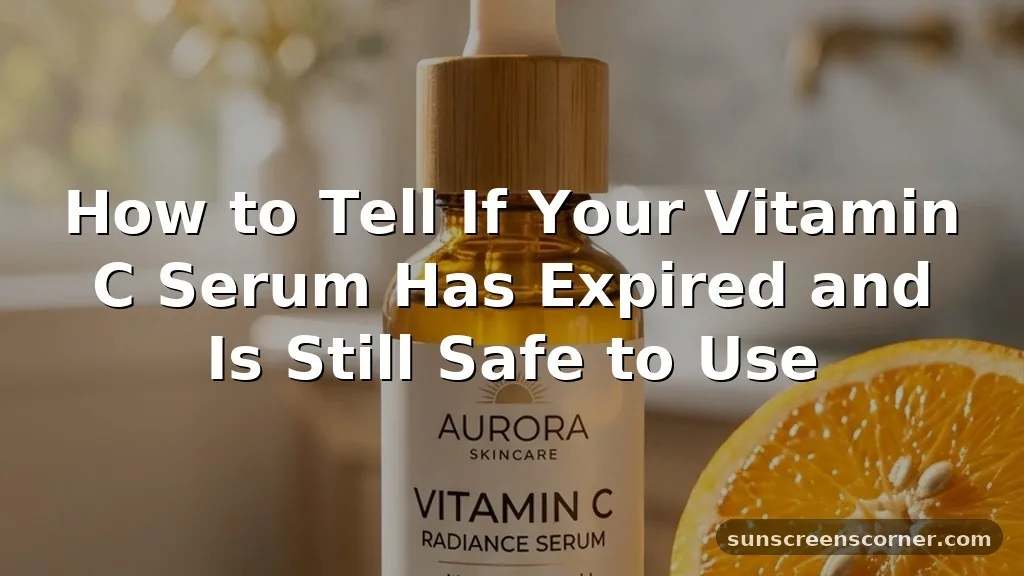
Finding a bottle of vitamin serum tucked away in the back of your medicine cabinet is a common occurrence. You might wonder if it is still okay to apply that l-ascorbic acid to your skin, or if it has simply reached the end of its shelf life. Because these skincare products are notoriously temperamental, knowing when they have crossed the line from effective to useless is vital for your routine.
Understanding the Stability of Vitamin C Serums
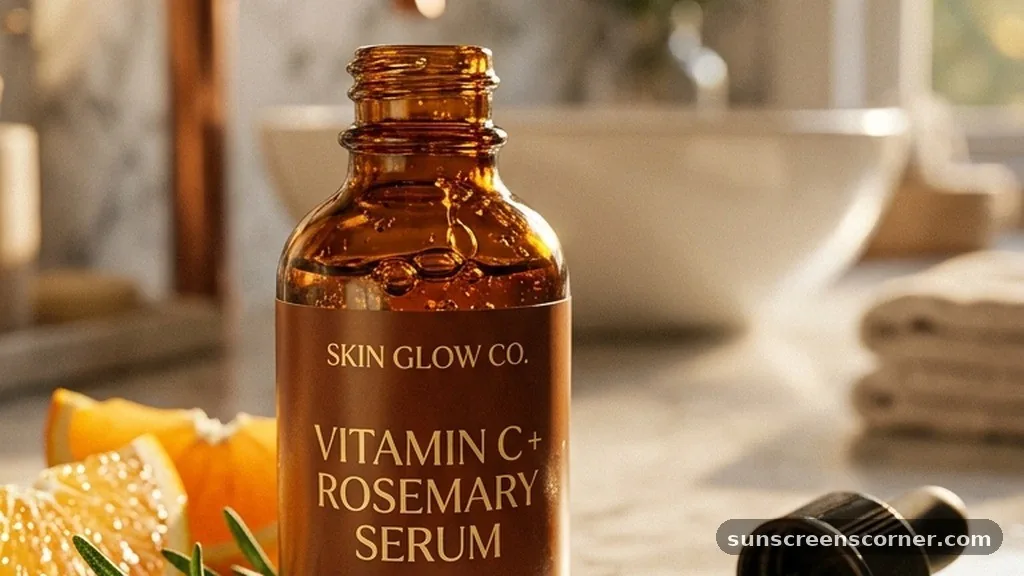
The primary reason many people worry about their serums is that the active ingredient, l-ascorbic acid, is incredibly unstable. When exposed to light, heat, or oxygen, the formula begins to oxidize.
This chemical reaction changes the structure of the molecule, essentially rendering the product inactive. While a fresh acid serum provides potent antioxidant benefits, an oxidized one loses its ability to brighten your complexion or neutralize free radicals.
Most manufacturers design their products to remain stable for a specific window of time, usually between six months to a year after opening. However, if you store your bottle in a humid bathroom or leave the cap loose, that shelf life can shrink dramatically. The best way to ensure longevity is to keep your bottle in a cool, dark place, such as a drawer or even the refrigerator, to slow down the degradation process.
Visual and Sensory Indicators of Spoilage
You do not need a laboratory to determine if your product has gone bad. Your senses are usually the first line of defense. The most obvious indicator of oxidation is a color change.
When you first purchase a high-quality vitamin serum, it is typically clear or a very pale straw color. As it sits over time, it may start to turn a light yellow.
While a slight shift to a pale yellow might still be acceptable, once the liquid turns a dark orange or brown, it is definitely time to toss it. This deep coloration is a visual sign that the l-ascorbic acid has fully oxidized into dehydroascorbic acid.
You might also notice a change in the scent. If the formula starts to smell like old pennies, metallic, or just “off” compared to when it was new, it has likely degraded.
Does Expired Serum Cause Skin Irritation?
A common question is whether using an expired product will actually hurt you. Generally speaking, the biggest risk is that you are simply wasting your money on a product that no longer works. However, in some cases, oxidized skincare products can cause mild irritation or breakouts.
When the chemical structure changes, the pH level of the acid serum might shift. This change can disrupt your skin barrier, leading to redness, stinging, or minor contact dermatitis.
If you notice your skin reacting differently than it did when the bottle was brand new, stop using it immediately. It is better to be safe than sorry when it comes to your face.
Addressing Topical Gaps: Why Expiration Dates Are Just Estimates
Many consumers feel confused when their bottle lacks a clear expiration date. This is because serums often utilize a “Period After Opening” (PAO) symbol, which looks like a small jar with a number like “6M” or “12M” on it. This indicates how long the product is intended to last after the seal is broken.
| Sign of Degradation | What It Means | Recommendation |
|---|---|---|
| Pale Yellow Tint | Minor oxidation | Safe to use, but use quickly |
| Dark Orange/Brown | Advanced oxidation | Discard immediately |
| Metallic/Rancid Smell | Chemical breakdown | Discard immediately |
| Grainy Texture | Ingredient crystallization | Discard immediately |
It is important to remember that the one factor most people overlook is the packaging. Serums housed in clear glass bottles will expire much faster than those in opaque, airless pumps. Light exposure is the enemy of l-ascorbic acid, so if your best investment is in a transparent bottle, you are essentially fighting a losing battle against the sun.
How to Maximize Your Serum’s Lifespan
If you want to get the most out of your purchase, you need to treat it like a delicate asset. First, always tighten the cap immediately after use to minimize oxygen exposure.
Second, consider the environment. Bathrooms are notoriously bad for skincare products because the temperature and humidity fluctuate constantly during showers.
If you find that you cannot finish a bottle before it turns, look for smaller sizes. Many brands offer travel-sized versions that allow you to use up the product within the ideal three-to-six-month window. By purchasing smaller amounts more frequently, you ensure that you are always applying a fresh, effective formula to your face.
Managing Your Skincare Routine and Expiration
Incorporating a vitamin serum into your daily regimen is a marathon, not a sprint. If you find your cart is empty of other essential steps, it might be tempting to rely solely on the serum for all your needs, but consistency is what matters. Using it every single morning provides the best results for brightening and protection.
If you have a drawer full of half-used bottles, try to stick to one at a time. It is tempting to rotate through different products, but this often leads to bottles sitting open for too long. By finishing a bottle before opening a new one, you reduce the risk of oxidation and save yourself the stress of guessing whether a product has reached its limit.
Common Questions About Expired Vitamin C
What happens if you use an expired vitamin C serum?
It usually loses its potency, providing no benefits, though it may occasionally cause mild skin irritation.
How to tell if vitamin C serum has gone bad?
Check for a dark orange or brown color, a metallic, rancid smell, or a change in texture.
Can I take 2 year expired vitamin C?
No, you should never apply a product that is two years past its expiration date to skin.
How long does vitamin C serum typically last before it expires?
Most serums remain effective for three to six months after opening, depending on storage and packaging quality.
Should I keep my vitamin C in the fridge?
Yes, keeping it in a cool, dark place like a refrigerator can significantly slow down the oxidation process.
Does clear packaging affect the shelf life of serums?
Yes, light exposure accelerates oxidation, so clear bottles usually result in a much shorter product lifespan overall.
Is it safe to use a slightly yellow vitamin C serum?
A very pale yellow tint is often normal, but if it darkens significantly, the product is likely ineffective.