
Integrating a face serum into your daily regimen is perhaps the fastest way to address specific skin concerns without weighing your face down with heavy creams. While many people think of these lightweight liquids as just another step to buy, they actually pack a higher concentration of active ingredients than your average lotion. Think of a facial serum as the workhorse of your vanity; it is designed to penetrate deeper into the skin layers to deliver targeted results, whether you are battling dullness, fine lines, or stubborn dark spots.
Understanding the Role of Face Serum in Skincare
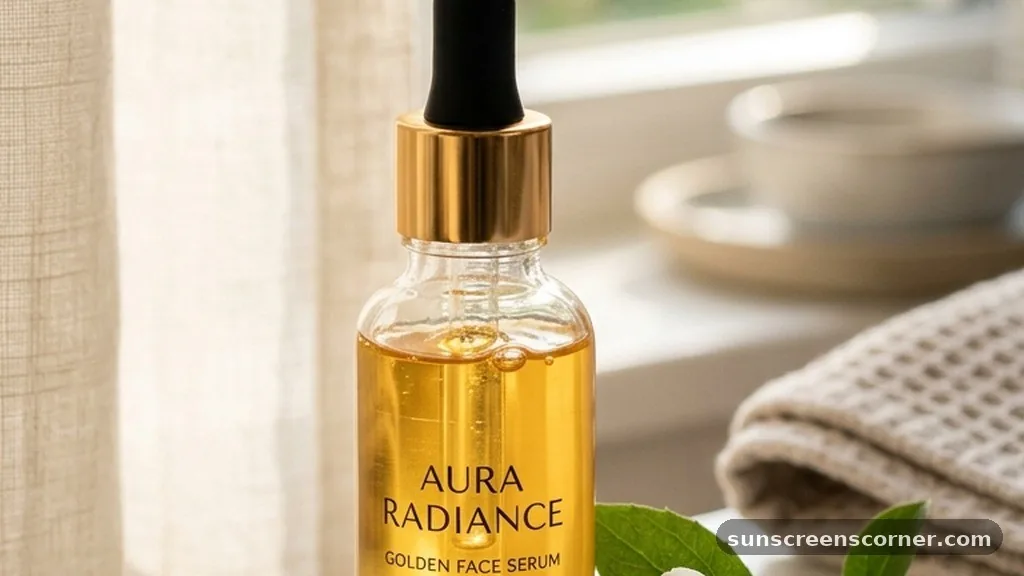
A skin serum acts as a delivery system for potent molecules that your skin can easily absorb. Because these formulas are typically water-based or oil-based with smaller molecular structures, they bypass the outer layer of the epidermis more effectively than thicker moisturizer options. When you apply a serum, you are essentially giving your complexion a concentrated dose of vitamins, antioxidants, or acids that help repair and protect the barrier.
Many users find that adding this step changes how their other products perform. By applying a serum on clean, slightly damp skin, you lock in hydration and create a smooth canvas for the rest of your routine.
It isn’t just about adding more stuff to your face; it is about using the right tool for the job. If you have been struggling to see results from a basic cleanser and lotion combo, the missing link is almost certainly a treatment-focused serum.
Key Ingredients and What They Do
Not all serums are created equal, and knowing what to look for on the label is half the battle. You will often see hyaluronic acid listed as a star player, and for good reason.
This powerhouse ingredient acts like a sponge, pulling moisture from the air into your skin to keep it looking plump and hydrated. It is a staple for anyone dealing with dry patches or a lackluster texture.
Beyond hydration, you might look for a vitamin boost to brighten your complexion. Vitamin C is a classic choice for those who want to fade sun damage or add a bit of radiance to their morning look.
Retinol-based serums are the gold standard for evening use, as they encourage cell turnover and help smooth out fine lines over time. Here is a quick breakdown of how these ingredients typically function in your skincare regimen:
| Ingredient Type | Primary Function | Best Time to Use |
|---|---|---|
| Hyaluronic Acid | Deep Hydration | Morning & Night |
| Vitamin C | Brightening/Protection | Morning |
| Retinol | Anti-Aging/Renewal | Night |
| Niacinamide | Pore Refining/Calming | Morning & Night |
How to Properly Apply Serum
Using a serum is pretty straightforward, but timing and technique matter a lot if you want to get the most out of your investment. You should always apply your face serum after cleansing and toning but before your heavier moisturizer.
The general rule of thumb is to apply products from the thinnest consistency to the thickest. Since a facial serum is usually much lighter than a cream, it needs to go on first so it can sink in without being blocked by thicker occlusives.
Don’t go overboard with the amount you use. A few drops, usually about the size of a pea, is plenty to cover your entire face and neck. Gently pat the product into your skin rather than rubbing it vigorously.
This patting motion helps increase circulation and ensures that the ingredients are evenly distributed. Once it feels slightly tacky or absorbed, wait about sixty seconds before moving on to your next step. This brief pause gives the active components a chance to settle in properly.
Addressing Common Skin Concerns
If you are wondering which skin serum is good for your specific needs, start by identifying your primary goal. For those with oily or acne-prone skin, look for labels that mention “non-comedogenic” or ingredients like salicylic acid, which helps clear out pores. If your biggest worry is aging, search for peptides or growth factors that support collagen production.
Some people feel overwhelmed by the sheer number of products on the market, but you really only need to target the issues that bother you most. You don’t need a ten-step process to see a difference.
Even just adding one high-quality serum can drastically change your skin’s health. If you are a beginner, start with something hydrating and simple, then branch out into more active treatments once your skin is used to the process.
Debunking Myths and Misconceptions
There is a lot of chatter online about whether you actually need a serum or if it is just marketing fluff. Some argue that a good moisturizer is enough, but that overlooks the fact that moisturizers are designed primarily to seal in moisture, not necessarily to treat deeper issues.
A face serum is essentially a treatment, while a moisturizer is a protectant. They serve different purposes, which is why using them in tandem often provides the best outcome.
Another common myth is that you should use as many serums as possible at once. Layering too many actives can actually cause irritation, leading to redness or a compromised skin barrier.
It is far better to have a consistent routine that focuses on one or two main goals rather than trying to fix everything at once. Keep it simple and let your skin adjust before adding new, potent formulas into the mix.
Potential Disadvantages of Face Serum
While serums are great, they are not without their downsides. The most common issue is potential irritation, especially with potent actives like retinol or high-strength Vitamin C.
If you have sensitive skin, you might find that certain formulas cause stinging or redness. Always do a patch test on your inner arm before applying a new serum to your entire face.
Cost is another factor. Because these products are highly concentrated, they can be more expensive per ounce than standard moisturizers.
However, because you use such a small amount each time, a single bottle often lasts much longer than you might expect. Be wary of “miracle” products that promise overnight results; skincare is a long game, and consistency is far more important than the price tag or the fancy packaging.
Topical Gaps: What You Might Be Missing
A common gap in most advice is the importance of the “damp skin” rule. Many people apply their serum to bone-dry skin, which can actually make some ingredients—like hyaluronic acid—less effective.
If the air is dry, hyaluronic acid might actually pull moisture out of your skin if there isn’t enough surface water to work with. Applying your serum right after washing your face, while your skin is still slightly damp, creates a much better environment for absorption.
Another overlooked aspect is the expiration of your actives. Unlike a basic lotion, many serums contain unstable ingredients that degrade when exposed to light or air.
If you notice your Vitamin C serum turning dark orange or brown, it has likely oxidized and lost its potency. Storing your skincare in a cool, dark place, or even the fridge, can help extend the life of your more delicate products.
Frequently Asked Questions
Should I use face serum every day?
Yes, most serums are designed for daily use, though active treatments like retinol may require gradual introduction.
Is a serum better than a moisturizer?
They serve different roles; serums treat specific concerns, while moisturizers lock in hydration and protect the barrier.
What are the disadvantages of face serum?
Potential disadvantages include skin irritation from strong actives and higher costs compared to basic drugstore lotions.
What exactly does a face serum do?
A face serum delivers a concentrated dose of active ingredients directly into the deeper layers of skin.
Can I use multiple serums at once?
You can, but it is best to limit yourself to two or three to avoid irritation and product pilling.
How long does a bottle of serum last?
Because you only need a few drops, most standard-sized bottles will last between two to four months.
Do I still need a moisturizer if I use a serum?
Yes, a moisturizer is necessary to seal in the serum and prevent water loss from the skin surface.