
Understanding the true purpose of a face serum can feel a bit overwhelming given the sheer volume of skincare options lining drugstore shelves. At its core, a skin serum is a concentrated treatment designed to deliver active ingredients directly into the deeper layers of the epidermis.
Unlike a standard moisturizer that sits primarily on the surface to lock in hydration, a serum is formulated with smaller molecules, allowing for faster and more efficient absorption. If you have been wondering why these little bottles carry such a hefty price tag compared to your average lotion, it is largely because of the potency of the actives packed inside.
The Primary Function of Facial Serums
A facial serum serves as a targeted problem-solver. Whether you are dealing with stubborn dark spots, fine lines, or persistent dryness, these products are engineered to address specific concerns with high precision. Because they are often water-based or lightweight oils, they penetrate the skin barrier far more effectively than thicker creams.
Many people mistakenly believe that a serum replaces a moisturizer, but in reality, they are designed to work together. Think of the serum as the medicine and the moisturizer as the protective seal that keeps everything in place.
How Serums Differ From Moisturizers
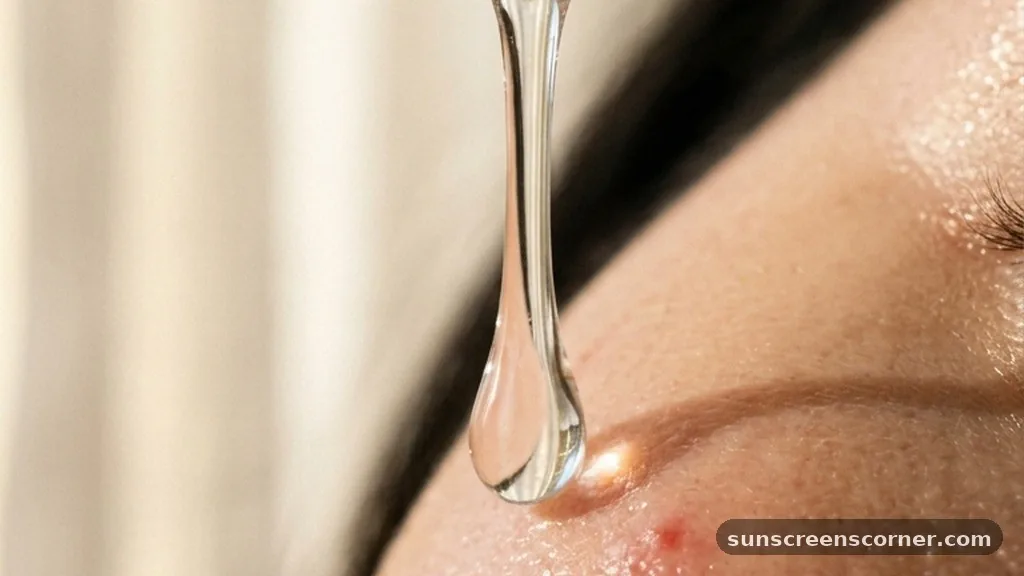
The fundamental difference lies in the molecular structure and the concentration of active compounds. A moisturizer creates a physical barrier to prevent transepidermal water loss, while a serum focuses on cellular-level improvement.
For instance, if you look at a brand like Cerave, their serums often contain hyaluronic acid or ceramides designed to replenish what the skin loses throughout the day. You don’t necessarily need every serum on the market, but integrating one into your routine can drastically change the texture and health of your complexion over time.
Key Ingredients to Look For
When shopping for serum, you will often see labels highlighting specific compounds. Knowing what these do is half the battle. A vitamin C serum, for example, is a powerhouse for brightening and antioxidant protection.
It helps neutralize free radicals caused by pollution and sun exposure. On the other hand, hyaluronic acid is a humectant, meaning it pulls moisture from the air into your skin, providing that plump, hydrated look we all crave.
* Niacinamide: Excellent for refining pores and balancing oil production.
* Retinol: A gold standard for anti-aging and cell turnover.
* Peptides: These act as building blocks for collagen, helping to keep the skin firm.
* Salicylic Acid: A go-to for those prone to breakouts and clogged pores.
How to Properly Apply Serum
To get the most out of your product, order of operations matters. You should always apply your serum to clean, slightly damp skin after cleansing and toning but before your heavier creams.
Because the formula is so potent, you only need a few drops—usually a pea-sized amount is plenty to cover the entire face and neck. Gently patting the liquid into the skin rather than rubbing it vigorously helps with absorption and reduces unnecessary tugging, which can lead to premature sagging over time.
The Layering Rule
The general rule of thumb in skincare is to layer from the thinnest consistency to the thickest. If you apply a heavy cream before your serum, the serum will struggle to penetrate, effectively rendering it useless. By letting the serum sink in for about sixty seconds before moving on to your moisturizer or sunscreen, you ensure that the active ingredients are doing their job beneath the surface.
Addressing Topical Gaps: Common Misconceptions
Many users are confused about whether these products are “necessary” or just marketing hype. The truth is, if you have a simple routine that works, you aren’t forced to add more steps. However, if you are looking to treat a specific issue, a serum is the most efficient vehicle to do so.
Another common gap in knowledge is the idea that “more is better.” Applying three different serums at once can actually cause irritation or pilling, where the product rolls off the skin in little balls. Stick to one or two targeted treatments and give them time to show results.
| Ingredient Type | Primary Benefit | Best For |
|---|---|---|
| Vitamin C | Brightening | Dullness / Dark Spots |
| Hyaluronic Acid | Hydration | Dry / Dehydrated Skin |
| Retinol | Anti-Aging | Fine Lines / Texture |
| Salicylic Acid | Exfoliation | Acne / Oily Skin |
Potential Disadvantages and Precautions
While the benefits of using a face serum are numerous, there are a few downsides to keep in mind. High concentrations of active ingredients can sometimes lead to redness, dryness, or peeling, especially if you start using a strong product too frequently. It is always wise to perform a patch test on your inner forearm before slathering a new formula all over your face.
Additionally, some serums are photosensitive, meaning they can make your skin more vulnerable to UV rays. If you use an exfoliating acid or retinol, wearing sunscreen every single morning is non-negotiable.
Consistency Is the Secret
You won’t see a miracle transformation overnight. Skincare is a marathon, not a sprint. Most dermatologists recommend using a new serum for at least six to eight weeks before deciding if it is working for you.
This allows enough time for your skin cells to cycle through their natural renewal process. Don’t get discouraged if your dark spots don’t disappear after three days; just keep up the routine and watch how your complexion slowly begins to shift toward a healthier state.
When to Consult a Professional
If you have highly reactive skin or a condition like rosacea, you should be careful with certain additives. Fragrances, essential oils, and high-strength alcohols are common culprits in causing flare-ups.
If you aren’t sure where to start, looking for sensitive-skin-friendly lines like those from Cerave is a safe bet. They focus on barrier repair rather than aggressive chemical peels, which is a great starting point for beginners.
Frequently Asked Questions
Does serum replace moisturizer?
No, serums are treatments that sink in; moisturizers seal them in and protect the skin’s barrier.
Can I use serum every single day?
Yes, most hydrating or brightening serums are gentle enough for daily use, morning and evening.
When is the best time to use a serum?
Apply it after cleansing and toning, but always before your heavier moisturizer or daily sunscreen application.
Are there any downsides to using serum?
Overuse or high concentrations of actives can cause irritation, redness, or dryness if not introduced slowly.
Can I use multiple serums at once?
You can, but limit it to two to avoid pilling and potential skin irritation from conflicting ingredients.
Is serum the same as a facial oil?
No, serums are usually water-based and potent; oils are thicker and focus on sealing moisture in.
Do I really need a serum in my routine?
Only if you have a specific concern like acne, aging, or dark spots you want to target.