
Navigating the crowded aisles of skincare aisles can feel pretty overwhelming, especially when you are trying to figure out if you really need another step in your routine. Many people wonder what a face serum actually does and if it is just a marketing gimmick or a genuine game-changer.
At its core, a skin serum is a concentrated dose of active ingredients designed to penetrate deeper into the skin than a standard moisturizer. Because these bottles are packed with high-potency actives, they are often the most effective way to address specific skin concerns like dullness, fine lines, or dehydration.
Understanding the Role of Face Serums in Your Routine
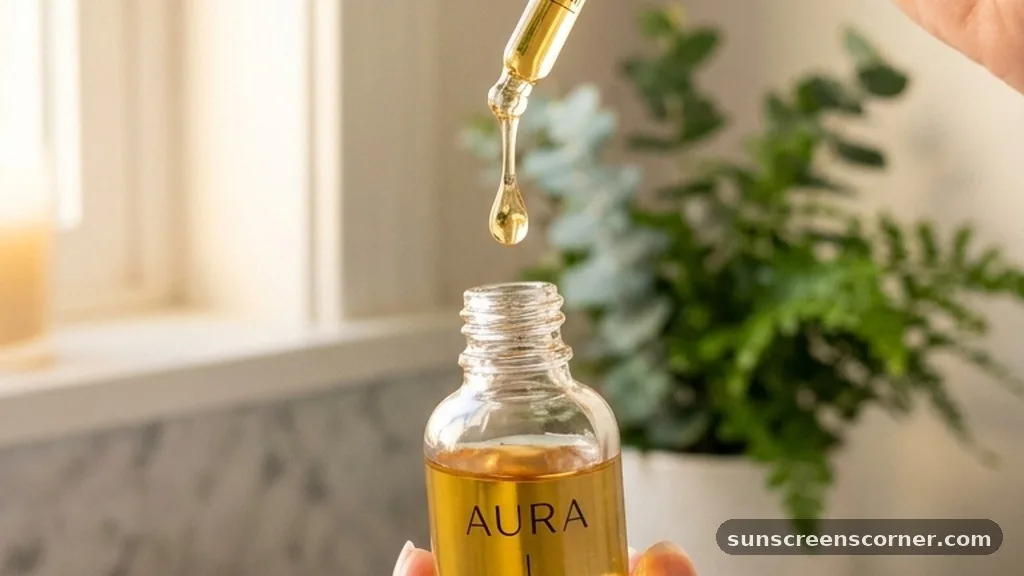
A facial serum acts as a targeted treatment that sits between your cleanser and your moisturizer. Think of it like a specialized medicine for your complexion. While a moisturizer is primarily designed to create a protective barrier on the surface to keep moisture locked in, a serum is formulated with smaller molecules that can bypass that barrier to deliver nutrients directly to the deeper layers of the epidermis.
When you use these products consistently, you are essentially feeding your skin the exact nutrients it needs to repair itself. Whether you are dealing with environmental damage or just want a bit more radiance, the right formula can make a world of difference. Many brands, like CeraVe, have mastered the art of creating lightweight, fragrance-free serums that play well with other products, making them a safe bet for beginners who are just starting to experiment with active treatments.
Key Ingredients That Make Serums Effective
The efficacy of any serum comes down to its chemical composition. Unlike lotions or creams, which contain occlusives and thickening agents, serums are usually water-based or oil-based solutions that prioritize active delivery. You will often see a specific vitamin or acid listed as the star of the show.
* Hyaluronic Acid: This is a powerhouse humectant. It functions by pulling water from the air and binding it to your skin cells, which is why it is so good for plumping up fine lines and restoring a youthful bounce.
* Vitamin C: Famous for its brightening capabilities, this antioxidant helps neutralize free radicals and evens out skin tone over time.
* Retinol: A derivative of Vitamin A, this is the gold standard for cell turnover and reducing the appearance of wrinkles.
* Niacinamide: This versatile ingredient helps regulate oil production and strengthens the skin barrier, making it a great choice for those with sensitive or acne-prone skin.
Because these products are so potent, you usually only need a few drops to cover your entire face and neck. Applying more than the recommended amount won’t necessarily give you better results; in fact, it might lead to irritation if the product contains high concentrations of acids.
How to Integrate Serums into Your Daily Regimen
If you are wondering if you should use a face serum every day, the answer is generally yes, provided the formula is appropriate for your skin type. The secret to success is layering. Always apply your skincare in order of consistency, starting from the thinnest product and moving to the thickest.
| Step | Product Type | Purpose |
|---|---|---|
| 1 | Cleanser | Removes dirt and oil |
| 2 | Toner | Balances skin pH |
| 3 | Serum | Delivers active ingredients |
| 4 | Moisturizer | Seals in hydration |
| 5 | SPF (Morning) | Protects from UV damage |
By following this sequence, you ensure that the active ingredients in your serum aren’t blocked by the heavier oils found in your moisturizer. If you are using multiple serums, try to keep it simple. Mixing too many actives at once—like combining strong retinoids with exfoliating acids—can compromise your skin barrier and lead to redness or peeling.
Common Skin Concerns and How Serums Help
Every individual has unique skin needs, and the beauty of the serum category is its versatility. You can tailor your routine to address exactly what is bothering you. For instance, if your main struggle is dehydration, a hydrating serum with hyaluronic acid is a non-negotiable addition to your shelf.
For those dealing with hyperpigmentation or dark spots, look for formulas that feature kojic acid or vitamin C. These ingredients inhibit melanin production, which helps fade spots over time.
If your primary goal is anti-aging, look for peptides or growth factors that support collagen production. Remember that results aren’t instantaneous; most serums require at least four to six weeks of daily use before you start seeing significant changes in your skin’s texture or tone.
Addressing Misconceptions and Topical Gaps
There is a common myth that serums are only for people with “problem” skin or that they are too harsh for sensitive types. In reality, there are plenty of soothing, calming serums available that focus on hydration and barrier repair rather than aggressive exfoliation. Another misconception is that you don’t need a moisturizer if you use a serum.
This is incorrect. Serums provide the treatment, but they rarely provide the occlusive seal necessary to prevent transepidermal water loss. You still need a cream or lotion to lock everything in.
Another gap often missed is the importance of checking for ingredient stability. Some active ingredients, especially certain forms of Vitamin C, are highly sensitive to light and air.
If you notice your serum has turned a dark orange or brown color, it has likely oxidized and lost its potency. Always store your bottles in a cool, dark place, and pay attention to the “period after opening” symbol on the packaging.
The Science of Serum Absorption
From a biological perspective, the skin is designed to be a barrier, not a sponge. This is why standard creams often sit on the surface.
Serums are engineered with low molecular weight ingredients that are small enough to penetrate the stratum corneum, the outermost layer of the skin. When these ingredients reach the viable epidermis, they can influence cellular behavior—such as increasing collagen synthesis or regulating sebum production—in a way that surface-level products simply cannot.
FAQ: Common Questions About Face Serums
Is it good to use face serum daily?
Yes, using a serum daily is highly beneficial as it provides consistent delivery of active ingredients to skin.
What does a serum do for your face?
A serum delivers high concentrations of active ingredients deeper into the skin to target specific concerns effectively.
What are the disadvantages of serum?
The main disadvantages include potential skin irritation from high-potency actives and a higher cost per ounce compared.
Do I need a serum and a moisturizer?
Yes, you need both; the serum treats specific issues, while the moisturizer seals in hydration and protects skin.
Should I use face serum every day?
You should use it daily, but ensure the formula matches your skin type and specific daily treatment goals. Most serums are water-based or oil-based solutions containing concentrated active ingredients like vitamins, acids, and botanical extracts.
What is serum for skin benefits?
Serums offer targeted benefits like improved texture, increased hydration, reduced hyperpigmentation, and enhanced collagen production for your skin.