Achieving a healthy, plump complexion often comes down to how well your skin retains moisture throughout the day. Integrating a hyaluronic acid serum into your daily routine is one of the most effective ways to boost hydration levels and target the appearance of fine lines.
Since this molecule acts like a magnet for water, holding up to 1,000 times its weight, it has become a staple in modern skincare regimens recommended by dermatologists. Finding the best product for your specific needs requires looking past the marketing hype and understanding how these formulations interact with your skin barrier.
Understanding How Hyaluronic Acid Functions
At its core, hyaluronic acid is a naturally occurring humectant found in our bodies. It works by drawing ambient moisture from the air or deeper layers of the skin to the surface, creating a plumping effect that makes the skin look dewy and refreshed. When you apply a face serum enriched with this ingredient, you are essentially topping up the skin’s internal water reservoir.
Many people make the mistake of applying these serums on dry skin. To get the most out of your hydrating serum, it is crucial to apply it to slightly damp skin.
This ensures that the molecule has actual moisture to bind to, rather than drawing hydration out of your skin, which can sometimes lead to a feeling of tightness. It is a simple step, but it changes the entire experience.
Key Ingredients to Look for in a Hydrating Serum
While the primary hero ingredient is undoubtedly the acid itself, the delivery system matters. Dermatologist-approved formulas often combine different molecular weights of the acid. High molecular weight versions sit on the surface to provide an immediate smoothing effect, while lower molecular weight versions penetrate slightly deeper to provide long-term hydration.
Beyond the main ingredient, you might want to look for a vitamin boost or soothing agents. Many high-quality products include:
* Panthenol (Vitamin B5): Excellent for repairing the skin barrier and soothing redness.
* Ceramides: These help lock the moisture in, ensuring the acid serum doesn’t just evaporate.
* Glycerin: A classic humectant that works in tandem with hyaluronic acid for superior results.
Comparing Serum Formulations and Textures
Not all skin care products are created equal, and the texture often dictates how well it fits into your existing routine. Some options are viscous and thick, which feel luxurious but might pill under makeup. Others are watery and thin, making them perfect for layering under heavy moisturizers or sunscreen.
| Texture Type | Best For | Application Tip |
|---|---|---|
| Water-based | Oily or combination skin | Layer under light lotions |
| Gel-like | Normal to dry skin | Apply to damp skin |
| Oil-infused | Dehydrated or mature skin | Use as the final serum step |
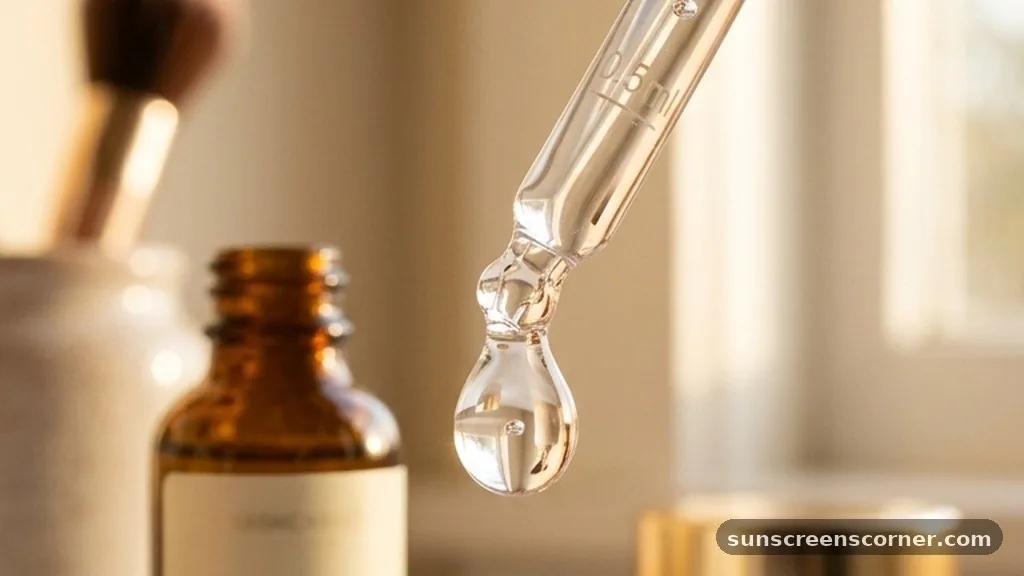
Choosing the one that works for you is a bit of a trial-and-error process. If you find your skin feels sticky after application, you might be using too much product or applying it to skin that is too wet. A few drops are usually plenty to cover the face and neck area effectively.
Addressing Topical Gaps: Why Some Serums Fail
One common frustration is that users don’t see the results they expect. Often, this isn’t because the hyaluronic acid itself is ineffective, but because the formulation lacks a proper occlusive layer. If you apply a serum and leave it exposed to dry air, the water it holds can actually evaporate, leaving your skin feeling more dehydrated than before.
To bridge this gap, always follow your face serum with a moisturizer or facial oil. This acts as a seal, trapping the moisture against the skin.
Furthermore, if you live in a very arid climate, the serum won’t have much moisture to pull from the air. In these cases, using a humidifier or ensuring your skin is very damp before application becomes non-negotiable for success.
Integrating Serums into Your Skincare Routine
Consistency is the secret sauce for any skincare routine. You should treat your serum as a bridge between cleansing and moisturizing.
Start by washing your face with a gentle cleanser, then pat your skin so it remains slightly damp. Apply a few drops of your chosen hydrating serum, pressing it gently into the skin rather than rubbing it vigorously.
Once the serum has settled for about thirty seconds, follow up with your preferred moisturizer. This layering technique ensures that your skin remains supple and glowing throughout the day. If you are using active ingredients like retinol or acids, apply the hyaluronic acid serum first to act as a buffer, which can help mitigate potential irritation.
Safety and Sensitivity Considerations
Generally, hyaluronic acid is considered safe for almost all skin types, including sensitive and acne-prone skin. It is non-comedogenic, meaning it won’t clog your pores.
However, some formulations contain added fragrances or preservatives that might trigger a reaction in reactive skin. Always check the ingredient list if you have known allergies.
If you are currently under the care of a dermatologist for conditions like eczema or rosacea, they may recommend specific medical-grade brands. These are often free from common irritants and are formulated with high-purity ingredients to minimize the risk of a flare-up.
The Importance of Long-Term Hydration
While the immediate plumping effect of a serum is satisfying, the real value lies in the long-term health of your skin barrier. When your skin is consistently hydrated, it is better equipped to defend itself against environmental stressors like pollution and UV damage. Over time, this helps maintain elasticity and prevents the early onset of fine lines caused by chronic dehydration.
Think of your skin like a sponge. When it is dry, it becomes brittle and prone to cracking.
When it is hydrated, it is flexible and resilient. By making a high-quality acid serum a permanent resident on your vanity, you are investing in the long-term integrity of your complexion.
Is hyaluronic acid safe for every skin type?
Yes, it is generally safe for all skin types, including sensitive, oily, and acne-prone skin profiles.
Should I apply serum to wet or dry skin?
Always apply to slightly damp skin to allow the molecules to bind with existing moisture effectively.
Can I use this with other active ingredients?
Absolutely; it pairs well with vitamin C, retinol, and exfoliating acids like glycolic or lactic acid.
Does it really help with fine lines?
It plumps the skin surface, which temporarily minimizes the appearance of surface-level fine lines and wrinkles.
How many drops do I need per application?
Usually, three to four drops are sufficient to cover your entire face and neck area thoroughly.
Why does my skin feel tighter after using it?
You likely need to follow it with a moisturizer to lock in the moisture and prevent evaporation.
Are expensive serums always better than budget ones?
Not necessarily; many affordable options use high-quality ingredients that perform just as well as luxury brands.