
Integrating a retinol serum into your nightly routine is often the turning point for many people struggling with stubborn post-acne marks and uneven texture. If you have been looking for a way to refine your complexion without the typical irritation associated with stronger derivatives, the CeraVe Resurfacing Retinol Serum is a popular choice for a reason.
It is specifically formulated to smooth out skin while keeping your natural barrier intact, which is super important if you’ve got sensitive skin. Learning exactly how to incorporate this product into your existing regimen can make all the difference in whether you see results or just end up with red, flaky patches.
Understanding the Role of Resurfacing Retinol
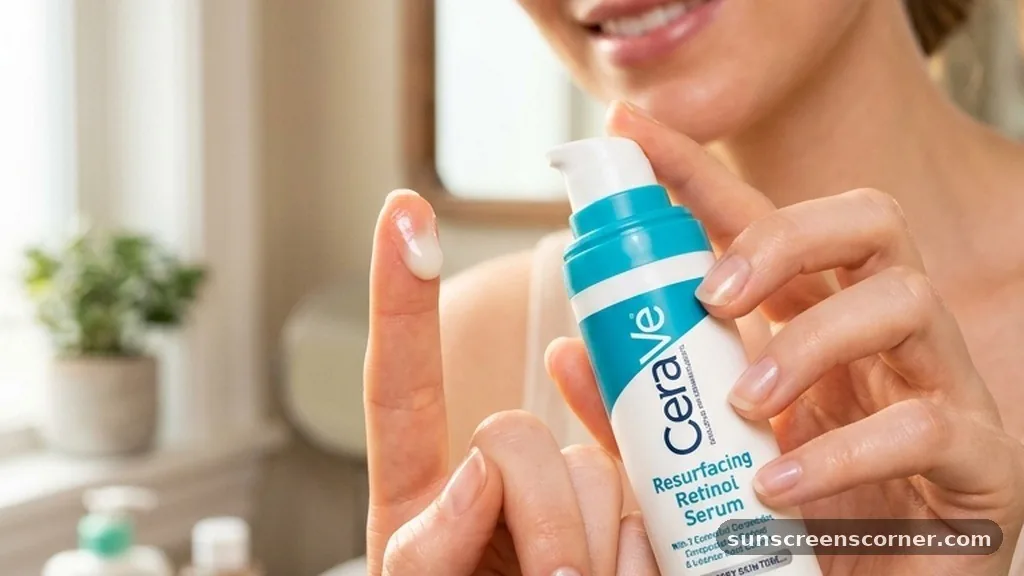
At its core, this serum works by accelerating cell turnover, which is what helps fade the look of those pesky dark spots left behind by breakouts. Unlike harsh treatments that strip your skin, this facial treatment uses encapsulated retinol to deliver the active ingredient slowly over time. This controlled release is the secret sauce for why it’s so much gentler on skin than many other over-the-counter options.
The formula doesn’t just focus on the active exfoliant; it is packed with essential ceramides. These lipids are vital because they restore and maintain your skin natural moisture levels.
When you are using an active like retinol, your moisture barrier is constantly being challenged, so having those ceramides right there in the bottle is a total game-changer. It’s not just about resurfacing; it’s about supporting the health of your skin while you do it.
Step-by-Step Application Guide
To get the most out of your CeraVe treatment, you need to follow a specific order of operations. Many people mess this up by applying it at the wrong time or using way too much product. Think of it as a marathon, not a sprint—your skin needs time to acclimate to the resurfacing power.
The Nightly Routine Sequence
1. Cleanse: Start with a gentle cleanser to remove the day’s grime. Pat your face dry, but don’t rub too hard. 2. Apply Serum: Take a small, pea-sized amount of the retinol serum. Dot it onto your forehead, cheeks, and chin. 3. Massage: Gently smooth the serum into your skin, avoiding the delicate eye area and lips. 4. Moisturize: Follow up with your favorite moisturizer to lock in hydration. 5. Protect: Always, and I mean always, wear SPF the next morning. Retinol makes your skin extra sensitive to the sun.
If you are wondering about the order, you should always apply this after cleansing and before your heavier creams. Using it on clean, dry skin ensures better penetration, but if you are a total beginner, applying a thin layer of moisturizer before the serum (the “buffer method”) can help minimize any potential sting.
Key Features and Benefits
When you look at the ingredient list, you’ll notice hyaluronic acid is a star player. This humectant draws moisture into the skin, which perfectly balances the drying effects of the retinol. The combination of these ingredients helps minimize the appearance of enlarged pores and improves overall skin texture over time.
| Feature | Benefit |
|---|---|
| Encapsulated Retinol | Reduces irritation through slow-release technology. |
| Three Essential Ceramides | Helps restore and maintain the skin’s protective barrier. |
| Hyaluronic Acid | Retains natural moisture for a plumper look. |
| Fragrance-Free | Minimizes the risk of allergic reactions or sensitivity. |
Because the formula is free of added fragrance and non-comedogenic, it is less likely to clog your pores or cause breakouts. This is a massive plus for anyone dealing with acne-prone skin, as added scents are often a hidden culprit for irritation.
Addressing Common Topical Gaps
One of the biggest questions people have is why they aren’t seeing results overnight. The truth is that skin cell turnover takes time. You might notice a bit of “purging” where small breakouts come to the surface during the first few weeks.
This is actually a good sign that the resurfacing retinol is doing its job deep in the layers of your skin. If you stop using it the moment you see a pimple, you might be interrupting the process.
Another gap in knowledge is how to handle the “retinol sandwich.” If you have very dry skin, applying moisturizer first, then the serum, then another layer of moisturizer is a valid technique. It doesn’t make the product less effective; it just makes it more tolerable.
Don’t feel pressured to use it every single night from the jump. Starting with two or three nights a week is the smartest way to build up your tolerance.
Managing Potential Side Effects
Even with a gentle formula, some redness or mild peeling can occur. This is usually just your skin adjusting to the increased rate of cell renewal.
To mitigate this, ensure you are drinking plenty of water and keeping your skincare routine simple otherwise. Avoid using harsh physical scrubs or other chemical exfoliants (like AHAs or BHAs) on the same nights you use your retinol serum.
If you notice excessive burning, that is your skin telling you to take a break. Skip the serum for a few days, focus on barrier-repairing creams, and then reintroduce it slowly.
Patience is your best friend here. The goal is to improve your skin’s appearance without compromising its health.
Frequently Asked Questions
Apply a pea-sized amount to clean, dry skin at night, followed by moisturizer and morning sun protection.
Can I use CeraVe Resurfacing Retinol Serum every day?
Start with two or three times a week, gradually increasing frequency as your skin builds up tolerance.
Do you use CeraVe retinol serum before or after moisturizer?
Apply the serum after cleansing and before your moisturizer to ensure the active ingredients penetrate effectively.
How long does it take for CeraVe resurfacing retinol to work?
You may see subtle improvements in weeks, but significant changes in texture usually take several months consistently.
Can I use this serum if I have sensitive skin?
Yes, the encapsulated formula and added ceramides make it suitable for many with sensitive skin concerns.
Should I avoid other skincare products while using this?
Avoid harsh exfoliants or acne treatments containing benzoyl peroxide on the same nights to prevent skin irritation.
Is it okay to use this during the day?
No, retinol breaks down in sunlight and increases sun sensitivity; always use it as part of your night.