
Navigating the world of modern skincare can often feel like trying to decipher a complex scientific manual, especially when you encounter products that seem to promise miraculous transformations overnight. Among these, the face serum stands out as a highly concentrated powerhouse designed to deliver potent ingredients directly into the deeper layers of the skin. Unlike standard moisturizers that primarily focus on hydration and barrier protection, these specialized liquids are formulated with smaller molecular structures, allowing them to penetrate more efficiently.
Whether you are battling persistent breakouts, trying to smooth out fine lines, or simply aiming for that elusive, healthy glow, understanding how to properly use these treatments is the secret to seeing actual results. It is not just about layering products; it is about strategic application that aligns with your specific skin concerns and biological needs.
Understanding the Role of Face Serums in Your Routine

At its core, a skin serum functions as a high-performance delivery system. While a cleanser removes debris and a moisturizer seals in moisture, the serum acts as the active treatment phase of your regimen. Think of it as the “medicine” for your face, tailored to address specific issues like hyperpigmentation, dehydration, or loss of elasticity.
Because these products are typically water-based or lightweight oil-based emulsions, they contain a higher concentration of active agents compared to creams or lotions. This high concentration is exactly why a little goes a long way. When you apply a few drops, you are essentially saturating the epidermis with targeted nourishment that would otherwise be blocked by the heavier occlusives found in thicker creams.
Many people wonder if they truly need an extra step in their morning or evening ritual. The answer depends largely on whether you have reached a plateau with your current regimen. If you are using a basic cleanser and moisturizer but still feel your skin is dull or congested, a serum is likely the missing link.
For example, incorporating a product rich in hyaluronic acid can drastically improve the plumpness of the skin by drawing moisture from the environment into the cells. It is not just a marketing trend; it is basic chemistry.
By providing the skin with exactly what it lacks—whether that is brightening agents, antioxidants, or soothing botanicals—you can shift your complexion from merely “okay” to truly vibrant. The key is consistency; just like exercise or a healthy diet, these topical treatments require time to show cumulative benefits.
Selecting the Right Ingredients for Your Skin Type
Not all serums are created equal, and choosing the wrong one can sometimes lead to irritation or lackluster results. When scanning labels, you should look for specific vitamin profiles or chemical compounds that align with your dermatological goals. For those with dry or dehydrated skin, look for humectants. Hyaluronic acid remains the gold standard here, as it can hold up to 1,000 times its weight in water.
If you are dealing with premature aging or environmental damage, look for antioxidants like Vitamin C or E, which help neutralize free radicals caused by pollution and UV exposure. Those with acne-prone skin might benefit from serums containing salicylic acid or niacinamide, which help regulate sebum production and clear out clogged pores.
It is helpful to consider the reputation of the brands you choose. For instance, many dermatologists recommend products from reliable, accessible lines like Cerave, which often focus on non-comedogenic formulas that support the skin barrier. When evaluating a new product, always perform a patch test on your inner forearm to ensure your skin doesn’t have an adverse reaction.
Also, be mindful of the “active” strength. A higher percentage of an active ingredient isn’t always better; sometimes, a lower, more stable concentration is less likely to cause peeling or redness, especially if you are just starting out. Always prioritize formulations that are free from harsh fragrances or alcohol, which can disrupt the delicate mantle of your face.
The Science of Layering: Order of Application Matters
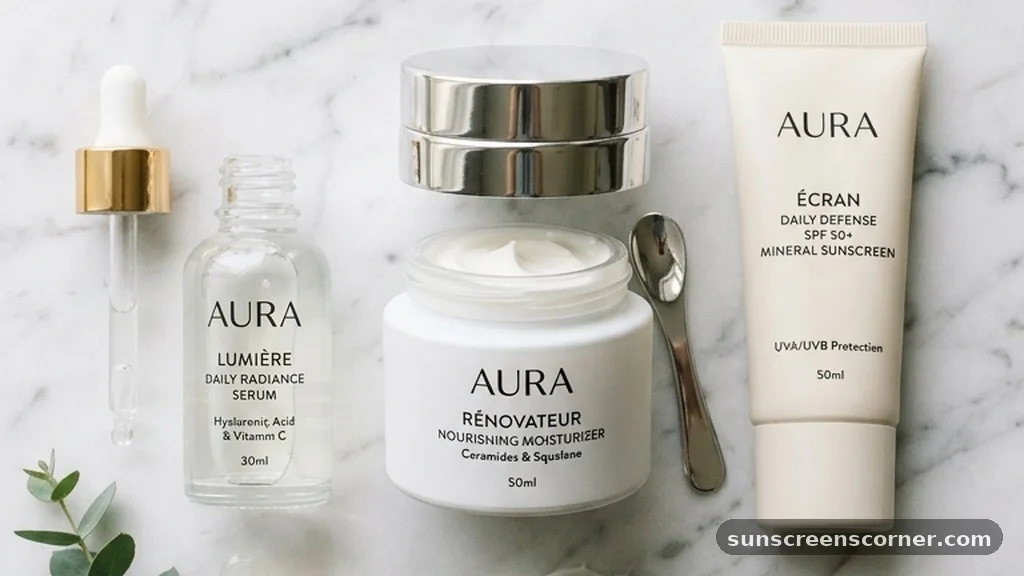
The most common mistake people make when incorporating a facial serum is applying it in the wrong order. The golden rule of layering is to go from the thinnest consistency to the thickest. Since serums are designed for rapid absorption, they must be applied to clean, slightly damp skin immediately after cleansing and toning.
If you apply a heavy moisturizer first, you create an occlusive barrier that prevents the serum from reaching the skin cells. By applying the serum first, you ensure that the active ingredients have the best possible chance to penetrate the surface.
Once the serum has been applied, give it about 60 seconds to fully absorb. You will know it is ready when the surface of your skin feels slightly tacky but not wet. After this, you should seal everything in with a moisturizer.
This “seal” is crucial because, while serums provide the active treatment, they often lack the occlusive properties required to prevent transepidermal water loss. By layering a cream or lotion over the top, you effectively trap the serum’s benefits into the skin, ensuring that it works throughout the day or night. If you are performing this routine in the morning, always finish with an SPF, as many active ingredients—especially those that exfoliate—can make your skin more sensitive to sunlight.
Addressing Common Misconceptions and Side Effects
There is a pervasive myth that using too many products will “overload” the skin or cause permanent damage. While it is true that “less is more,” the primary risk isn’t over-saturation, but rather irritation from incompatible ingredients. For example, trying to use a potent retinol serum alongside a harsh exfoliating acid serum in the same session is a recipe for a compromised skin barrier.
This can lead to redness, flaking, and inflammation. The goal is to build a routine that supports your skin’s natural functions rather than fighting against them. If you notice your skin stinging or burning upon application, stop immediately and revert to a basic, gentle moisturizer until the irritation subsides.
Another common concern is whether you should use a serum daily. In most cases, yes, daily application is recommended to see consistent results. However, some heavy-duty serums—like high-strength retinoids or chemical peels—are designed for intermittent use, perhaps two or three times a week.
It is essential to read the instructions on the packaging carefully. Furthermore, don’t expect instant gratification. Most skincare experts agree that you should give any new serum at least four to six weeks of continuous use before deciding if it is working for you.
This allows for a full cycle of skin cell turnover, which is the time it takes for new, treated skin to reach the surface. Patience is just as vital as the product itself.
Topical Gaps: What Most Guides Ignore

Many articles gloss over the importance of the environment and lifestyle when it comes to serum efficacy. For example, the humidity in your room can significantly impact how a hyaluronic acid serum performs. In very dry climates, hyaluronic acid might actually pull moisture out of your deeper skin layers if there isn’t enough ambient humidity to draw from.
In these cases, it is vital to apply your serum while your face is still damp from washing and to follow up with a rich moisturizer that contains occlusives like ceramides or squalane. This creates a protective seal that prevents evaporation, ensuring the hydration stays exactly where you need it.
Another often overlooked factor is the storage of your face serum. Many active ingredients, particularly Vitamin C, are highly unstable and can degrade when exposed to light, heat, or air. If your serum has turned a dark orange or brown color, it has likely oxidized and lost its potency.
To extend the shelf life of your products, store them in a cool, dark place—not necessarily the bathroom, which can get steamy and warm. Some people even keep their serums in a small skincare fridge.
Furthermore, pay attention to the dropper or pump mechanism. Avoid touching the dropper directly to your face, as this can introduce bacteria from your skin back into the bottle, contaminating the entire supply.
Maximizing Your Results Through Consistency
Ultimately, the effectiveness of your skincare routine is dictated by your habits. It is far better to use a simple, affordable serum every single day than to buy an expensive, complex product that you only use sporadically. The cumulative effect of active ingredients is what leads to long-term change.
Many people find success by splitting their needs between morning and evening. For instance, you might focus on protection and brightening in the morning using an antioxidant serum, and focus on repair and regeneration in the evening using peptides or retinoids. This approach allows you to address multiple concerns without overwhelming your skin in a single session.
To keep yourself on track, consider keeping a simple log or just setting a recurring reminder. When you start to see the subtle improvements—a reduction in redness, a smoother texture, or a more even skin tone—it becomes much easier to maintain the habit. Remember that your skin is a living organ that changes based on your age, the seasons, and your stress levels.
Don’t be afraid to adjust your routine as you go. If you find your skin is feeling particularly dry in the winter, you might swap your light, brightening serum for one that is more deeply nourishing.
Staying attuned to these subtle signals from your body is the mark of a true skincare pro. By treating your routine as a form of self-care rather than a chore, you turn the daily application into a ritual that benefits both your physical appearance and your mental well-being.
Is it good to use face serum daily?
Yes, using a serum daily is generally recommended to provide consistent, targeted treatment for your specific skin concerns.
What are the top 5 face serums?
Top products vary by skin type, but look for those containing hyaluronic acid, Vitamin C, niacinamide, retinol, or peptides.
Do I really need a serum for my face?
While not strictly mandatory, a serum is highly beneficial if you want to address specific issues beyond basic hydration.
How do I use a face serum correctly?
Apply to clean, slightly damp skin, allow it to absorb for 60 seconds, then seal with a moisturizer.
What are the common side effects of face serums?
Side effects may include redness, itching, or flaking if the product is too strong or used with incompatible ingredients.
Should I apply serum at night or in the morning?
You can do both; use antioxidant serums in the morning and active repair treatments like retinol at night.
Can I mix different face serums together?
It is usually better to layer them or use them at different times of the day to avoid skin irritation.