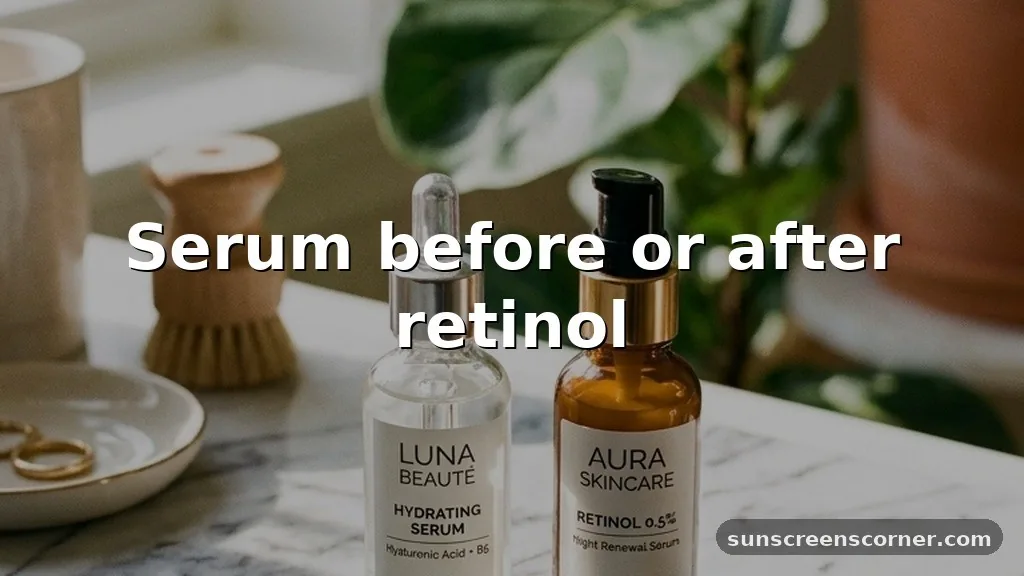
Integrating a potent active ingredient like retinol into your daily regimen can feel a bit intimidating at first, especially if you have sensitive skin. Many people rush into using high-strength products only to end up with red, flaky, or irritated patches.
However, when managed correctly, this vitamin A derivative is essentially the gold standard for promoting cell turnover and smoothing out fine lines. Understanding the nuances of how to apply these formulas is the secret to unlocking a radiant, clear complexion without the dreaded “retinoid ugliness.”
Understanding the Basics of Retinoids and Their Function
At its core, a retinoid is a class of compounds derived from vitamin A that works by signaling your skin cells to behave more like younger, healthier versions of themselves. When you use these products, they penetrate deep into the dermis to speed up the rate at which your body sheds dead skin cells and produces new ones. This process helps to unclog pores, reduce the appearance of acne, and stimulate collagen production, which is why it remains a pillar in effective skincare science.
It is helpful to think of the relationship this way: Retinol acts as a communicator for skin cells, while the skin cells respond by accelerating turnover. This increase in cellular activity is what leads to the visible improvements in texture and tone that so many users seek.
Because this process is quite active, your skin needs time to build up a tolerance. If you go too fast, you might disrupt your skin’s natural barrier, leading to dryness or peeling.
Establishing a Consistent Nighttime Regimen
The most important thing to remember is that you should only apply these treatments at night. Sunlight can degrade the efficacy of many retinoid compounds, and your skin is naturally in repair mode while you sleep. A solid routine starts with a gentle, non-stripping cleanser to remove the day’s grime.
Once your face is clean, make sure it is completely dry. Applying a treatment to damp skin often leads to deeper penetration, which can increase the likelihood of irritation for beginners.
If you are just starting out, consider the “sandwich method.” This involves applying a light moisturizer before your treatment product, then following up with another layer of cream afterward. This buffer does not stop the product from working; it simply slows down the absorption rate, allowing your skin to acclimate more comfortably.
Strategic Layering with Other Ingredients
One common mistake is trying to mix too many active ingredients at once. While it is tempting to layer everything in your medicine cabinet, some combinations can cause unnecessary friction.
For example, if you want to use hyaluronic acid, it is often best to apply it while your skin is still slightly damp after cleansing, wait for it to absorb, and then proceed with your treatment. The hyaluronic acid provides a hydration base that keeps the skin plump and resilient, making it a perfect partner for more drying ingredients.
Managing Potential Side Effects
During the initial weeks, you might notice some mild redness or dry flakes. This is often referred to as the “retinization” phase. To keep this in check, keep your skincare routine simple.
Avoid harsh physical scrubs, toners with high alcohol content, or strong acids like glycolic or salicylic acid on the nights you use your serum. By focusing on hydration and protection, you help your skin’s barrier stay intact while the vitamin works its magic.
| Ingredient Type | Compatibility with Retinoids | Best Practice |
|---|---|---|
| Hyaluronic Acid | High | Apply before for extra hydration |
| Vitamin C | Low | Use in the morning; avoid layering |
| Moisturizer | High | Use as a buffer to reduce irritation |
| Chemical Exfoliants | Low | Use on alternating nights only |
Addressing Common Topical Gaps
A frequent question that comes up is whether you should use the product around the eyes. While the skin there is delicate, it is also where fine lines appear first.
You can definitely use a specialized, lower-strength formula in this area, but be careful not to get too close to the lash line to avoid migration into the eye, which can cause stinging. Always start by using a pea-sized amount for the entire face; more is definitely not better when it comes to these potent actives.
Another gap in knowledge involves “purging.” Many users mistake a temporary breakout for a reaction to the product.
If you notice small bumps appearing shortly after starting, it is often just your skin purging debris that was already trapped deep in the pores. If the breakout is accompanied by intense burning or raw, weeping skin, that is likely an irritation reaction, and you should scale back your frequency immediately.
The Importance of Sun Protection
You absolutely cannot skip sunscreen the morning after you use a retinoid. Because these treatments remove the outer layer of dead skin cells, your fresh, new skin is significantly more sensitive to UV damage.
If you don’t wear a broad-spectrum SPF 30 or higher every single day, you are essentially undoing all the progress you made the night before. This is a non-negotiable step in any routine involving active resurfacing agents.
Building Long-Term Tolerance
Consistency is far more important than intensity. Even if you only apply the product two nights a week, you will see results over the long term.
Start slow, observe how your skin feels when you wake up in the morning, and gradually increase the frequency as your skin builds tolerance. If your skin feels tight or looks shiny in a way that suggests inflammation, take a night or two off to focus solely on soothing, hydrating products.
Frequently Asked Questions
Can I use hyaluronic acid with retinol?
Yes, using hyaluronic acid is highly recommended to keep skin hydrated and minimize potential irritation from retinoids.
Should I apply moisturizer before or after retinol?
Applying moisturizer before creates a buffer, while applying it after helps seal in hydration and prevent dryness.
How often should I use retinol in my routine?
Begin with two nights per week, gradually increasing frequency as your skin builds tolerance to the active ingredient.
Is it safe to apply retinol around the eyes?
You can, but use a lower-strength formula and avoid the lash line to prevent potential eye irritation.
What happens if my skin starts peeling?
Peeling is common; scale back your usage frequency and focus on gentle, fragrance-free moisturizers for a few days.
Can I use vitamin C and retinol together?
It is generally best to use vitamin C in the morning and your retinoid at night for efficacy.
How much retinol should I apply?
Use a pea-sized amount for your entire face; applying more can lead to unnecessary irritation and redness.