
Achieving a healthy complexion often feels like solving a complex puzzle, especially when you are staring at a shelf full of bottles and jars. Understanding how to properly layer serums and moisturizers is the secret sauce for getting the most out of your skincare investment.
If you apply your products in the wrong order, you might be preventing the most powerful active ingredients from actually reaching your skin. The golden rule in dermatology is to move from the thinnest consistency to the thickest, ensuring that each layer can effectively penetrate the face without being blocked by heavier creams.
The Science Behind Product Layering
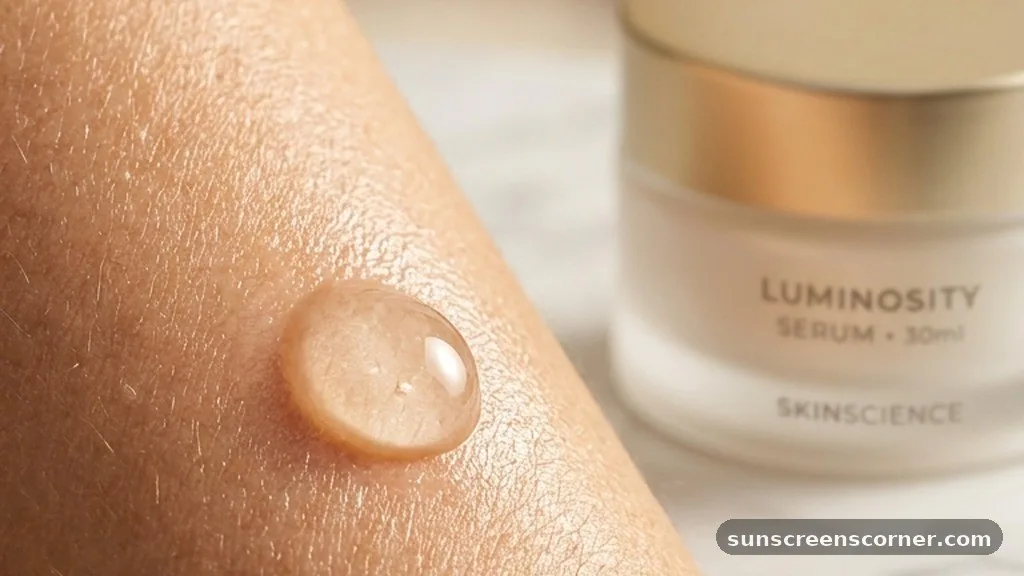
When you decide to use multiple formulas, the order of application dictates how well they perform. Your skin acts as a semi-permeable barrier, and its primary job is to keep things out.
Because of this, you need to be strategic. Serums are typically water-based and packed with concentrated active ingredients that need to sink deep into the epidermis. If you slap a heavy moisturizer on first, the occlusive nature of that cream will create a barrier that prevents the serum from moving past the surface.
Think of it like painting a wall; you wouldn’t put the topcoat on before the primer. By applying your serum first, you allow the potent molecules to absorb fully.
Once that has settled—usually after a minute or two—you follow up with moisturizers to seal everything in. This creates a protective seal that prevents transepidermal water loss, keeping your face hydrated and plump throughout the day.
Building Your Daily Routine
Creating a consistent routine doesn’t have to be overwhelming. Most people find that a simple three-to-four-step process is more than enough to see real improvements.
The key is consistency, not complexity. Whether you are dealing with dryness or looking to brighten your tone, the sequence remains largely the same.
Morning Skincare Steps
1. Cleanse: Start with a gentle cleanser to remove any sweat or debris from the night. 2. Apply Serum: Use a vitamin C or antioxidant-based serum to protect against environmental stressors. 3. Moisturize: Follow with a lightweight moisturizer that won’t feel greasy under makeup. 4. Sun Protection: Always finish with SPF; this is the most important part of any morning step.
Evening Skincare Steps
1. Double Cleanse: Remove SPF and makeup with an oil-based cleanser, followed by your regular face wash. 2. Treatment Serum: Apply targeted treatments like retinol or exfoliating acids while your skin is clean. 3. Hydration: Use a richer serum moisturizer or a night cream to support the overnight repair process.
Why Consistency Matters for Active Ingredients
Many people get frustrated when they don’t see results after a week, but skincare is a long game. Active ingredients like retinol, niacinamide, or hyaluronic acid require time to communicate with your cells. When you apply these consistently, you are essentially training your barrier to function better. If you skip steps or swap the order, you disrupt the delivery system.
It is also worth noting that some ingredients don’t play well together. For instance, using high-strength acids and retinoids at the same time can cause irritation. If you find your face getting red or flaky, you might be overdoing it.
Dialing back the frequency of your products can often fix the issue faster than adding more layers. Always listen to how your skin feels after each step; it usually gives you the best feedback.
Addressing Topical Gaps: Common Layering Mistakes
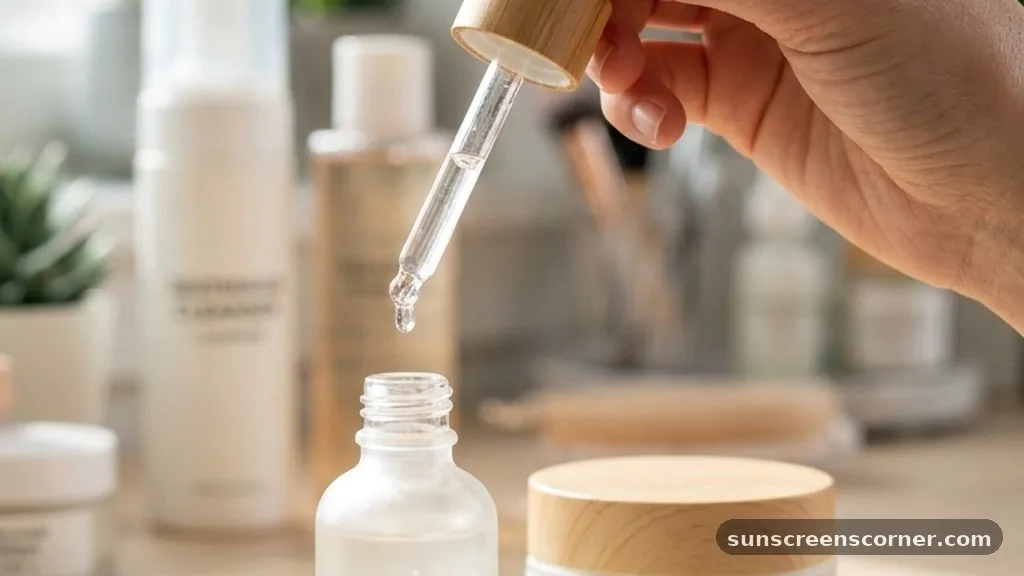
Even beauty enthusiasts make mistakes that hinder their progress. One common gap in knowledge is the “damp skin” debate. Many dermatologists suggest that applying a hydrating serum to slightly damp skin helps pull more moisture into the cells.
However, this rule does not apply to everything. Stronger active ingredients like retinoids should always be applied to completely dry skin to minimize the risk of irritation.
Another frequent oversight is ignoring the neck and décolletage. These areas are just as prone to aging as the face, yet they are often neglected. Whatever you apply to your forehead and cheeks should be extended down to your collarbone.
This ensures a uniform appearance as you age. Also, don’t forget that oil-based products should almost always come last.
Even if you love the way a facial oil feels, it is an occlusive agent. If you put it on before your serum, you are essentially locking the serum out.
Selecting the Right Products for Your Needs
Not all serums are created equal, and finding the right match for your specific concerns is vital. If you struggle with dehydration, look for a hyaluronic acid serum. If you are focusing on anti-aging, a peptide or retinol formula is a better choice.
When it comes to moisturizers, match the texture to your environment. In humid climates, a gel-based moisturizer is often enough, while those in dry, cold climates might need a thicker cream to prevent flaking.
| Product Type | Primary Function | Best Time to Use |
|---|---|---|
| Antioxidant Serum | Environmental protection | Morning |
| Retinol Treatment | Cell turnover | Evening |
| Gel Moisturizer | Lightweight hydration | Morning/Evening |
| Facial Oil | Locking in moisture | Evening (Last Step) |
How to Identify Product Incompatibility
Sometimes, your products might “pill,” which is that annoying phenomenon where the formula balls up on your skin. This usually happens when you combine silicone-heavy moisturizers with water-based serums. If you notice this happening, try letting the first layer dry for an extra minute before adding the next.
Alternatively, check the ingredient labels. If you see silicones high up on the list of both the serum and the cream, they might be clashing.
FAQ: Common Skincare Questions
Should I apply serum before or after moisturizer?
Always apply your serum before your moisturizer, as it is thinner and absorbs into the skin faster.
Can I use two different serums at the same time?
Yes, you can layer multiple serums, but apply the thinnest, most watery formula first for better absorption.
Does oil go on before or after my moisturizer?
Oils are generally the final step in a routine because they are occlusive and seal in hydration.
How long should I wait between applying products?
Wait about 30 to 60 seconds between layers to ensure each product has time to settle properly.
Is it necessary to use a serum every day?
It depends on the active ingredients; hydrating serums are fine daily, while strong acids may require breaks.
Can I mix my serum into my moisturizer?
It is better to layer them separately so the serum can penetrate the skin without being diluted first.
Why is my skin peeling after using new products?
You may be using too many active ingredients at once, or your skin barrier needs more gentle hydration.