The cream feels slightly heavy as you smooth it across your cheekbones, leaving behind a chalky ghost mask that refuses to blend into your skin before the morning commute.
Finding the right daily SPF shouldn't feel like a chemistry experiment gone wrong.
That frustration is precisely why best sunscreens recommended by dermatologists matter so much for your daily routine. Let us look at eight formulas that actually work with your skin instead of fighting against it.
Key Takeaways
- Prioritize zinc oxide if you have reactive skin, as mineral filters sit on top of the skin and reflect UV rays without causing irritation.
- Check for oil-free formulas when dealing with acne or rosacea to prevent clogged pores and afternoon breakouts.
- Select a sheer tint if standard mineral sunscreens leave an undesirable white cast on your specific skin tone.
- Look for added moisturizers containing hyaluronic acid or niacinamide if your skin tends to flake under makeup by midday.
- Confirm the broad-spectrum rating to ensure protection against both UVA rays that cause aging and UVB rays that cause burning.
| Acne Prone Choice |  |
EltaMD UV Clear Untinted SPF 46 | Prevents breakouts | Zero white cast | Calms redness | View On Amazon | Read Review |
| Sheer Coverage Favorite | 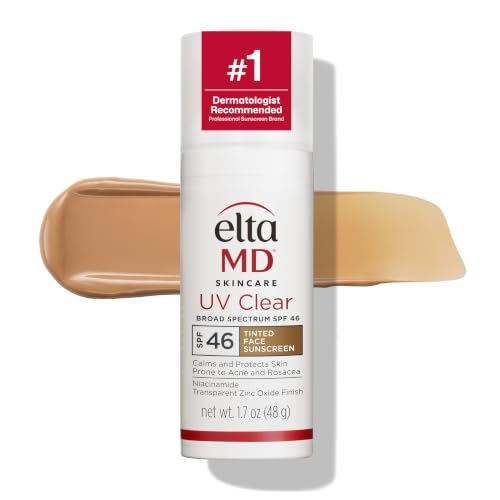 |
EltaMD UV Clear Tinted SPF 46 | Evens skin tone | Lightweight mineral formula | Dermatologist backed | View On Amazon | Read Review |
| Dry Skin Hydrator |  |
EltaMD UV Daily Tinted SPF 40 | Deeply hydrating | Subtle tint | Mineral active ingredients | View On Amazon | Read Review |
| Combination Skin Essential |  |
EltaMD UV Daily Untinted SPF 40 | Zero white cast | Smooth layering | Non-greasy finish | View On Amazon | Read Review |
| Bulk Value Champion |  |
Altruist Dermatologist Sunscreen SPF 30 | Budget friendly | High UVA protection | Large volume tubes | View On Amazon | Read Review |
| Rich Skin Solution |  |
EltaMD UV Clear Deep Tinted SPF 46 | Deep shade tint | Zero white cast | Controls facial shine | View On Amazon | Read Review |
| Stock Up Staple |  |
EltaMD UV Daily Untinted SPF 40 Two Pack | Convenient two pack | Hydrates dry areas | Transparent finish | View On Amazon | Read Review |
| On The Go Armor |  |
Colorescience Total Protection Brush On Shield SPF 50 | Easy reapplication | Water resistant | Hypoallergenic powder | View On Amazon | Read Review |
More Details on Our Top Picks
-
EltaMD UV Clear Untinted SPF 46
Finding a daily sun protector that does not trigger breakouts feels like searching for a needle in a haystack. This dermatologist recommended formula relies on transparent zinc oxide to shield your face without clogging pores or leaving behind a chalky gray film.
Oil-free and lightweight, it calms active irritation while you wear it. The main drawback is the smaller 1.7 ounce tube, which runs out quickly if you apply the proper amount every single morning.
- Brand:EltaMD
- Protection Type:SPF 46
- Size:1.7 oz
- Finish:Untinted
- Special Feature:Oil-free
- Quantity:1
- Additional Feature:Zinc oxide mineral protection
- Additional Feature:Formulated for sensitive skin
- Additional Feature:Calms rosacea flare ups
-
EltaMD UV Clear Tinted SPF 46
Good coverage meets reliable mineral protection in this tinted version of a cult classic. You get the same breakout-friendly ingredients as the original, but the sheer tint helps even out minor skin discolorations instantly.
It melts into the skin effortlessly and replaces a traditional morning foundation for minimalists. One catch is that the single shade option struggles to blend smoothly on very deep skin tones without looking ashy.
- Brand:EltaMD
- Protection Type:SPF 46
- Size:1.7 oz
- Finish:Sheer tint
- Special Feature:Oil-free
- Quantity:1
- Additional Feature:Transparent zinc oxide
- Additional Feature:Calms acne prone skin
- Additional Feature:Blends without white cast
-
EltaMD UV Daily Tinted SPF 40
Parched skin requires a bit of extra moisture alongside daily ultraviolet defense. This tinted moisturizer hybrid quenches thirsty areas while delivering dependable mineral shielding against the sun.
It provides a healthy, dewy glow that makes tired skin look alive again. Keep in mind that the hydration level might feel a bit heavy if your face tends to produce excess oil by midday.
- Brand:EltaMD
- Protection Type:SPF 40
- Size:1.7 oz
- Finish:Tinted
- Special Feature:Hydrating
- Quantity:1
- Additional Feature:Transparent zinc oxide finish
- Additional Feature:Moisturizing daily formula
- Additional Feature:Dermatologist recommended
-
EltaMD UV Daily Untinted SPF 40
Balancing dry patches without adding grease is a tricky tightrope walk. This daily moisturizer with built-in sunscreen manages the task by offering weightless hydration and a completely transparent zinc oxide finish.
It layers smoothly under makeup and never pills up during application. The limitation here is the modest SPF 40 rating, which requires stricter reapplication schedules during long summer days outdoors.
- Brand:EltaMD
- Protection Type:SPF 40
- Size:1.7 oz
- Finish:Transparent
- Special Feature:Hydrating
- Quantity:1
- Additional Feature:Zinc oxide formulation
- Additional Feature:Designed for dry skin
- Additional Feature:Dermatologist recommended
-
Altruist Dermatologist Sunscreen SPF 30
Slathering your entire body in sunscreen gets expensive very quickly. This generous two pack offers high-grade protection designed by dermatologists without emptying your wallet.
It delivers broad spectrum coverage with a strong focus on blocking aging rays. The texture leans slightly thick, meaning you need to massage it in thoroughly to avoid a temporary whitish layer.
- Brand:Altruist
- Protection Type:Broad Spectrum SPF 30
- Size:200 ml
- Quantity:2
- Additional Feature:High UVA protection
- Additional Feature:Developed by dermatologists
- Additional Feature:Pack of two
-
EltaMD UV Clear Deep Tinted SPF 46
Finding a mineral formula that respects deeper complexions without leaving a ghostly mask is a common hurdle. This deep tinted option addresses that exact problem with a rich color adjustment built right into the formula.
It controls oil and protects sensitive, reactive skin just like the classic version. The specific shade range is somewhat limited, so finding an exact match still depends on your unique undertones.
- Brand:EltaMD
- Protection Type:SPF 46
- Size:1.7 oz
- Finish:Deep tint
- Special Feature:Oil-free
- Quantity:1
- Additional Feature:Zinc oxide protection
- Additional Feature:Formulated for rosacea
- Additional Feature:Dermatologist recommended
-
EltaMD UV Daily Untinted SPF 40 Two Pack
Running out of your preferred morning protectant mid-month is a frustrating inconvenience. Buying this convenient two pack ensures your daily hydration and mineral defense routine stays uninterrupted for months.
The formula works wonders on dry and combination skin types by locking in vital moisture. Since it comes in the standard 1.7 ounce tubes, storing the backup requires very little bathroom cabinet space.
- Brand:EltaMD
- Protection Type:SPF 40
- Size:1.7 oz
- Finish:Transparent
- Special Feature:Two pack
- Quantity:2
- Additional Feature:Zinc oxide finish
- Additional Feature:Designed for dry skin
- Additional Feature:Dermatologist recommended
-
Colorescience Total Protection Brush On Shield SPF 50
Applying traditional cream over a finished face of makeup ruins your hard work instantly. This innovative powder brush lets you sweep high-level protection across your skin whenever necessary throughout the day.
It is water-resistant for up to eighty minutes and offers impressive defense against environmental stressors. The primary drawback is that relying on a brush alone makes it difficult to gauge if you applied enough product for full coverage.
- Brand:Colorescience
- Protection Type:SPF 50
- Finish:Matte
- Special Feature:Brush-on
- Quantity:1
- Additional Feature:PA++++ broad spectrum
- Additional Feature:Eighty minute water resistance
- Additional Feature:Hypoallergenic formula
Frequently Asked Questions
How much sunscreen do I actually need to apply to my face?
Most people apply about half the amount required to reach the labeled SPF, leaving their skin dangerously under-protected. You need a full nickel-sized dollop for your face and neck alone to get the promised coverage. If you prefer using fluid measurements, aim for about one quarter of a teaspoon for your facial area. Think of it as painting a sturdy coat rather than rubbing in a light moisturizer.
Do I need to wear sunscreen on cloudy days or indoors?
Ultraviolet rays are remarkably persistent little freeloaders that easily penetrate through heavy cloud cover and standard window glass. UVA rays, which cause premature aging and deep skin damage, are present all year round no matter the weather. Wearing a daily moisturizer with SPF protects you from incidental exposure while running errands or sitting near a sunny office window. Making this a non-negotiable morning habit pays off massively for your skin health down the road.
Can I use last year's leftover sunscreen safely? BODY: Sunscreen ingredients degrade over time, losing their chemical stability and ability to protect your skin effectively. Most bottles feature an expiration date stamped on the crimp of the tube or the bottom of the container. If your sunscreen has changed in color, smell, or texture, throw it out immediately and buy a fresh tube. Storing products in a hot car accelerates this breakdown, so keep your tubes in a cool, dark place.
Should I apply sunscreen before or after my moisturizer?
Sunscreen should always be the final step in your morning skincare routine before you apply any makeup. Putting moisturizer on top of sunscreen disrupts the physical or chemical shield, creating streaks that let UV rays right through. Give your facial moisturizer a minute or two to sink in fully before applying your generous layer of SPF. This prevents the products from pilling or sliding around on your face.
Does chemical sunscreen cause more breakouts than mineral formulas?
Chemical filters can occasionally irritate sensitive skin types, but modern formulations have improved dramatically over the years. Breakouts usually stem from heavy emollients or comedogenic oils in the base formula rather than the active UV filters themselves. If you notice frequent blemishes, switching to a fragrance-free mineral sunscreen often solves the issue. Reading the full ingredient deck helps you spot heavy oils before they ever touch your face.