Many parents simply grab whatever bottle is closest on the shelf, assuming all sun lotions work the same on sensitive skin. But applying the wrong formula can leave your little one with a red, irritated face and a miserable afternoon.
Choosing the right mineral protection makes all the difference for wiggly toddlers.
Let us compare the best sunscreens for toddler care so you can spend less time stressing over sunburns. Read on to find out which formulas earn top marks for safety and ease of use.
Key Takeaways
- Prioritize zinc oxide formulas because physical blockers sit on top of the skin rather than absorbing into the bloodstream.
- Look for broad spectrum coverage to shield against both UVA and UVB rays during outdoor play.
- Choose water resistant options that maintain their effectiveness for at least 80 minutes of swimming or sweating.
- Select fragrance free ingredients to drastically lower the risk of allergic reactions and skin rashes.
- Opt for convenient application formats like sticks or roll-ons when dealing with squirming children who hate lotion.
| Ultimate Sun Protection | 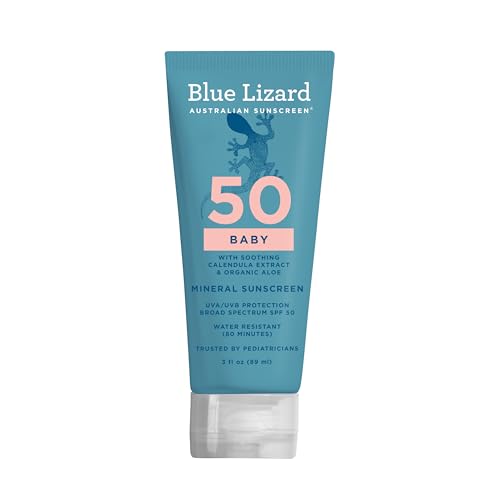 |
Blue Lizard Baby Mineral Sunscreen | Fragrance free formula | Broad spectrum SPF 50+ | Smart cap UV indicator | View On Amazon | Read Review |
| Active Day Essential |  |
Blue Lizard Kids Mineral Sunscreen | Mineral active ingredients | SPF 50 protection | Reliable outdoor performance | View On Amazon | Read Review |
| Gentle Daily Lotion |  |
Aveeno Kids Broad Spectrum Sunscreen | Formulated with oat extract | Easy to apply | Broad spectrum coverage | View On Amazon | Read Review |
| Pediatrician Tested Choice |  |
La Roche-Posay Anthelios Kids Sunscreen | Pediatrician tested formula | Large value size | High SPF defense | View On Amazon | Read Review |
| Mess Free Stick |  |
Blue Lizard Kids Mineral Sunscreen Stick | Targeted stick application | Zinc oxide defense | Highly portable size | View On Amazon | Read Review |
| Quick Glide Applicator |  |
Sun Bum Baby Bum Roll-On Sunscreen | Convenient roll on top | Vegan friendly formula | Reef compliant ingredients | View On Amazon | Read Review |
| Invisible Facial Defense |  |
Sun Bum Kids Clear Face Stick | Clear application finish | Pocket sized convenience | Broad spectrum SPF 50 | View On Amazon | Read Review |
More Details on Our Top Picks
-
Blue Lizard Baby Mineral Sunscreen
Protecting tiny skin requires a heavy duty approach, and this formula uses zinc oxide to create a physical shield on the surface. Parents dealing with wriggly toddlers will appreciate the smart cap technology, which turns blue in harmful UV light to signal when protection is needed most.
The mineral-based cream lacks added fragrances, making it gentle enough for daily application on sensitive faces and bodies. But you should know that thick mineral formulas leave behind a distinct whitish cast as they block the sun.
- Brand:Blue Lizard
- Type:Mineral lotion
- SPF Rating:SPF 50+
- Active Ingredients:Zinc Oxide
- Size:3 ounces
- Water Resistance:Water resistant
- Additional Feature:Smart cap color changing technology
- Additional Feature:Free from artificial fragrances
- Additional Feature:Broad spectrum UVA and UVB defense
-
Blue Lizard Kids Mineral Sunscreen
Active children running around the playground need reliable defense against burning rays. This formulation relies on mineral actives rather than chemical absorbers to bounce sunlight away from delicate skin.
It delivers broad spectrum coverage that stays put during active outdoor play sessions. The main drawback involves the heavier texture, which requires thorough rubbing to blend into the skin properly.
- Brand:Blue Lizard
- Type:Mineral lotion
- SPF Rating:SPF 50
- Active Ingredients:Mineral actives
- Size:3 fluid ounces
- Additional Feature:Mineral based sun protection
- Additional Feature:Designed for active kids
- Additional Feature:Broad spectrum coverage
-
Aveeno Kids Broad Spectrum Sunscreen
Skin prone to irritation responds well to soothing ingredients like natural oat extract. This lotion spreads easily over arms and legs without feeling excessively greasy or heavy.
Pediatricians often recommend this brand for young children because it avoids harsh chemical irritants. One minor downside is that frequent swimming requires regular reapplication to maintain the stated SPF level.
- Brand:Aveeno
- Type:Sunscreen lotion
- SPF Rating:SPF 50
- Size:3 fluid ounces
- Additional Feature:Nourishing oat infusion
- Additional Feature:Broad spectrum UVA and UVB
- Additional Feature:Kid friendly formula
-
La Roche-Posay Anthelios Kids Sunscreen
Sensitive pediatric skin demands rigorous testing, and this large bottle comes formulated for children with high sensitivity in mind. The smooth texture absorbs relatively quickly compared to standard mineral options.
Families spending long weekends outdoors will benefit from the generous container size. However, the higher volume bottle is bulky for travel and does not fit easily into a small pocket or purse.
- Brand:La Roche-Posay
- Type:Sunscreen lotion
- SPF Rating:SPF 50
- Size:6.7 ounces
- Additional Feature:Tested on sensitive skin
- Additional Feature:Generous family size
- Additional Feature:Fast absorbing texture
-
Blue Lizard Kids Mineral Sunscreen Stick
Applying protection to a squirming child's face becomes much simpler with a solid format. This convenient stick relies on zinc oxide to shield ears, noses, and cheeks from burning.
The compact design slips directly into a diaper bag without taking up valuable space. Keep in mind that the smaller surface area makes this format inefficient for covering large limbs like backs and legs.
- Brand:Blue Lizard
- Type:Sunscreen stick
- SPF Rating:SPF 50
- Active Ingredients:Zinc Oxide
- Size:0.5 ounce
- Additional Feature:Travel friendly solid stick
- Additional Feature:Mineral active protection
- Additional Feature:Easy facial application
-
Sun Bum Baby Bum Roll-On Sunscreen
Parents short on time will love the innovative roll-on delivery mechanism. The formula meets Hawaii reef compliance standards by excluding harmful oxybenzone and octinoxate.
Moisturizing agents keep young skin hydrated while blocking harsh ultraviolet rays. The one notable catch is that the rolling ball mechanism can sometimes jam if sand or dirt gets trapped in the rim.
- Brand:Sun Bum
- Type:Roll on lotion
- SPF Rating:SPF 50
- Size:3 ounces
- Water Resistance:Water resistant
- Additional Feature:Mess free rolling applicator
- Additional Feature:Moisturizing broad spectrum coverage
- Additional Feature:Free of oxybenzone and octinoxate
-
Sun Bum Kids Clear Face Stick
Facial application does not have to leave a ghostly white residue behind. This clear stick glides over the skin smoothly and dries with a transparent finish.
It works wonderfully for quick touch-ups at the park or beach. Because the stick is physically tiny, you will run out much faster if you use it for full body coverage.
- Brand:Sun Bum
- Type:Face stick
- SPF Rating:SPF 50
- Size:0.53 ounce
- Additional Feature:Completely clear on skin
- Additional Feature:Designed for facial use
- Additional Feature:Travel friendly proportions
Frequently Asked Questions
When can I start putting sunscreen on my baby?
Pediatricians generally recommend waiting until six months of age before applying sunscreen to an infant. Before that, you should rely on shade, hats, and lightweight clothing to protect their skin from direct sunlight. If you are in an absolute pinch and shade is unavailable, applying a tiny amount of mineral sunscreen to exposed areas like the face and hands is acceptable. However, keeping young infants out of peak UV hours remains the golden rule.
Why does mineral sunscreen leave a white cast on my child?
Zinc oxide and titanium dioxide are natural mineral blockers that do not dissolve into the skin. Instead, they form an opaque white layer that reflects sunlight away from the body. While this white cast looks slightly chalky, it actually helps you see exactly where you missed a spot. You can minimize the chalky appearance by choosing lotions with micronized zinc and rubbing the product in thoroughly.
How often do I actually need to reapply the sunscreen?
You should reapply sunscreen every two hours when your toddler is spending time outdoors. If they are swimming or sweating heavily, shorten that window to match the water resistance rating on the bottle. Skipping this step is the most common reason children get sunburned despite wearing protection. Keep a travel tube in your bag so reapplication is always within arm's reach.
Is a sunscreen stick effective enough for full body coverage?
Sunscreen sticks are wonderfully convenient, but they require multiple passes over the skin to deposit enough product. You should glide the stick back and forth four times over each area, then rub it in with clean fingers. Using the stick directly on the face and neck works brilliantly because it prevents product from running into the eyes. Rely on traditional lotions for larger areas like legs and torsos to save time.
Does sunscreen expire, and can I use last year's bottle?
Sunscreen ingredients break down over time and lose their protective power. Always check the expiration date stamped on the crimp of the tube or the bottom of the bottle. If the bottle has no date, write the purchase month on it with a permanent marker and discard it after three years at most. Using expired sunscreen is a gamble you simply do not want to take with your child's skin.