The single most important thing that separates a good pick from a bad one in this category is physical staying power. If a formula melts off the skin within ten minutes of application, the active mineral barriers never get a chance to do their job.
Finding the best sunscreens for nose protection means looking past pretty packaging and zeroing in on dense, opaque formulations that actually cling to sweaty skin or furry snouts.
And because noses take the brunt of the weather all year long, comparing the top contenders side by side will save plenty of trial and error. Let's look at the best options available right now to keep those sensitive areas safe.
Key Takeaways
- Prioritize physical blockers like zinc oxide or titanium dioxide because they sit on top of the skin and reflect UV rays instantly.
- Check the water resistance rating to ensure the product stays put during swimming, sweating, or active outdoor adventures.
- Look for fragrance-free formulas when protecting sensitive noses or animal snouts to prevent irritation and licking.
- Consider stick and balm applicators for mess-free application directly to the bridge of the nose without getting product in eyes.
- Pay attention to the tint level if you prefer a clear finish over a traditional visible white zinc barrier.
| Canine Sun Defense |  |
My Dog Nose It Sun Protection Balm | Protects against harsh rays | Moisturizing balm formula | Portable stick design | View On Amazon | Read Review |
| Paws And Snouts |  |
Handy Hound SnoutScreen Dog Sunscreen | Covers noses and paws | Generous one-ounce size | Soothing balm texture | View On Amazon | Read Review |
| Tinted Mineral Shield |  |
Zinka Colored Zinc Oxide Flesh Sunblock | High zinc formula | Natural flesh tint | Two-pack value | View On Amazon | Read Review |
| Dermatologist Approved Stick |  |
Cetaphil Sheer Mineral Sunscreen Stick | High SPF 50 | Mess-free stick format | Gentle mineral ingredients | View On Amazon | Read Review |
| Classic White Block |  |
Zinka Colored Zinc Oxide White Sunblock | Water and sweat resistant | High zinc concentration | Highly visible application | View On Amazon | Read Review |
| Natural Pup Protector | 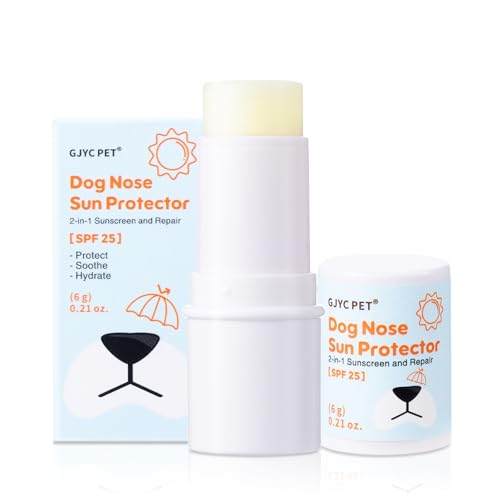 |
Natural Lick Safe Dog Sunscreen | Lick-safe natural ingredients | Contains shea butter | Fragrance-free protection | View On Amazon | Read Review |
More Details on Our Top Picks
-
My Dog Nose It Sun Protection Balm
Protecting your furry companion requires specific care, and sensitive dog snouts need targeted attention during long outdoor walks. This formula offers a gentle way to block harmful UVA and UVB rays without harsh additives.
The compact balm format allows for quick application right before heading out the door. But remember that dogs frequently lick their noses, so you will need to reapply this protection frequently during outdoor activities.
- Brand:My Dog Nose It
- Type:Balm
- Size:0.5 Ounce
- Additional Feature:Shields against harmful rays
- Additional Feature:Convenient size for travel
- Additional Feature:Specifically designed for dogs
-
Handy Hound SnoutScreen Dog Sunscreen
Some pets need coverage in multiple sensitive spots, making a dual-purpose product exceptionally useful. You can easily apply this balm to both noses and paws to prevent painful sunburns on hot pavement or sandy beaches.
The larger one-ounce container provides generous product volume for multi-dog households or daily summer use. A slight limitation is that stubborn dogs might try to lick the product off immediately after application, requiring a brief distraction.
- Brand:Handy Hound
- Type:Balm
- Size:1 oz
- Additional Feature:Dual-use for paws
- Additional Feature:Easy-glide stick application
- Additional Feature:Formulated for pets
-
Zinka Colored Zinc Oxide Flesh Sunblock
Human noses demand strong physical blockers, and this high-zinc formula creates an opaque physical barrier against harsh sunlight. The flesh-tinted color blends more naturally onto skin than traditional white pastes while maintaining maximum UV reflection.
You will appreciate the dual-pack value for keeping one tube in the car and another in your beach bag. The heavy zinc consistency can feel thick on the skin, so taking extra time to blend the pigment thoroughly is necessary.
- Brand:Zinka
- Type:Sunblock
- Color:Flesh
- Formula:High Zinc
- Count:2 Pack
- Additional Feature:Colored zinc oxide
- Additional Feature:Designed for face use
- Additional Feature:High sun protection factor
-
Cetaphil Sheer Mineral Sunscreen Stick
Sensitive human skin often reacts poorly to chemical blockers, so this mineral stick relies on gentle zinc oxide to safeguard your nose. The solid format prevents messy spills in your bag and ensures precise, mess-free application across the bridge of your nose.
SPF 50 protection delivers reliable defense during extended hours under direct sunlight. Just keep in mind that mineral formulas can sometimes leave a slight white cast if you fail to rub them in completely.
- Brand:Cetaphil
- Type:Sunscreen Stick
- Size:0.5oz
- Formula:Mineral
- Additional Feature:Safe for face and body
- Additional Feature:Sheer mineral formulation
- Additional Feature:Compact travel size
-
Zinka Colored Zinc Oxide White Sunblock
Athletes and outdoor workers often rely on heavy-duty mineral pastes that refuse to budge in the water. This traditional white formula offers extreme sun reflection and stays put through heavy sweat and swimming sessions.
The stark white color lets you see exactly where the product is applied, ensuring complete nose coverage during intense sports. Removing the stubborn paste requires a dedicated oil-based cleanser at the end of the day.
- Brand:Zinka
- Type:Sunblock
- Color:White
- Formula:Water and Sweat Resistant
- Additional Feature:High zinc formula
- Additional Feature:Sweat resistant barrier
- Additional Feature:Classic white paste
-
Natural Lick Safe Dog Sunscreen
Dog owners worry about ingredients entering their pets' systems, making this fragrance-free and lick-safe formula a smart choice. Nourishing ingredients like shea butter and sea buckthorn work together to hydrate dry skin while shielding against sunburns.
The gentle SPF 25 level provides adequate protection for standard daily walks without unnecessary chemicals. Because the texture is deeply moisturizing, it can take a few moments to absorb fully into a wet canine nose.
- Brand:Dog Nose Sunscreen Balm
- Type:Balm
- Formula:Natural Lick-Safe SPF 25
- Additional Feature:Infused with sea buckthorn
- Additional Feature:Moisturizes sensitive skin
- Additional Feature:Protects canine noses
Frequently Asked Questions
Why does my sunscreen always melt off my nose first?
The nose has a high concentration of sebaceous glands, meaning natural facial oils break down sunscreen emulsions much faster there than on your cheeks. Wearing sunglasses also creates a mechanical friction point that wipes away the protective barrier every time you move. Switching to a water-resistant stick formula or applying a mattifying primer underneath helps anchor the product to the skin. You should also blot excess oil with a tissue before reapplying your SPF every two hours.
Should I use a higher SPF on my nose compared to the rest of my face?
Dermatologists generally recommend using at least SPF 30 across your entire face, but the nose receives direct overhead sunlight at almost all times of day. Opting for SPF 50 on the nose gives you a wider margin of error if you apply a slightly thinner layer than needed. No sunscreen blocks one hundred percent of UV rays, so higher numbers provide extra insurance against long-term sun damage on this prominent facial feature. Pair your high SPF with a wide-brimmed hat for complete protection.
How much sunscreen do I actually need to put on my nose?
You need about a nickel-sized amount of product for the entire face, which translates to a generous swipe down the bridge and a thorough dab on the tip of the nose. If you are using a stick format, you should swipe four times over the same spot to deposit an adequate film. Skimping on quantity is the main reason people still get sunburned despite wearing SPF. Apply the product in two thin layers to ensure complete coverage without a greasy mess.
Can I use my body sunscreen on my nose?
Body sunscreens are formulated to cover large surface areas affordably, but they often contain heavier oils and fragrances that can cause breakouts or eye irritation on the face. The skin on the nose is particularly delicate and reacts poorly to the heavy emollients found in standard body lotions. Dedicated facial sunscreens undergo stricter testing for non-comedogenic properties, meaning they are much less likely to clog your pores. Stick to a facial-specific formula to keep your skin clear and comfortable.
Does makeup over my sunscreen reduce its protective power?
Layering makeup over SPF can dilute the product or disrupt the physical film if you rub it in too aggressively. To preserve protection, let your sunscreen dry for 10 to 15 minutes before applying any foundation or powder. Using a setting spray with SPF or patting on a tinted mineral powder throughout the day offers a practical way to refresh protection without ruining your makeup. Avoid heavy rubbing motions when touching up your nose area.