Remember when daily sun protection felt like wearing heavy, chalky white paste that clogged every pore? Formulas have evolved past that sticky past encounter.
Now, finding the best sunscreens for aging skin is remarkably straightforward. Modern daily lotions double as sophisticated anti-aging treatments loaded with hydrators.
Let us look at ten standout options that protect and smooth complexions. Keep reading to find your ideal match.
Key Takeaways
- Prioritize broad-spectrum SPF ratings of 30 or higher to block both aging UVA rays and burning UVB rays.
- Look for added skincare ingredients like hyaluronic acid or niacinamide to plump fine lines while you wear protection.
- Choose oil-free or non-comedogenic formulas if you want to avoid clogged pores and afternoon shine.
- Consider lightweight fluid textures or gel serums if heavy creams usually pill underneath your makeup.
- Check for daily moisturizers containing built-in SPF if you prefer to streamline your morning routine into a single step.
| Ultimate Shine Control | 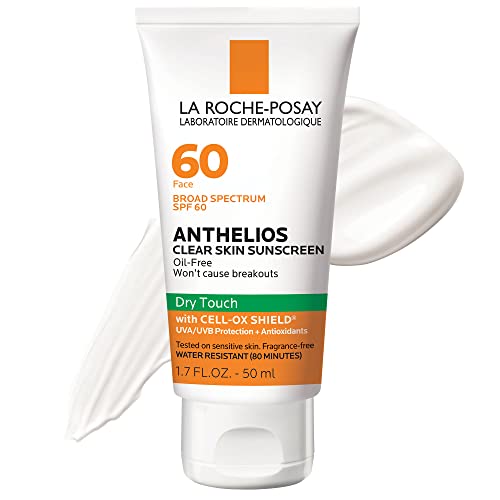 |
La Roche-Posay Anthelios Clear Skin Sunscreen SPF 60 | Absorbs excess oil | High SPF protection | Matte finish | View On Amazon | Read Review |
| Maximum Aging Defense |  |
Neutrogena Age Shield Face Sunscreen SPF 70 | High SPF 70 | Prevents aging signs | Moisturizing formula | View On Amazon | Read Review |
| Featherweight Hydration Hero |  |
SKIN1004 Hyalu-Cica Water-Fit Sun Serum SPF 50 | Zero white cast | Deeply hydrating | Soothes sensitive skin | View On Amazon | Read Review |
| Advanced Wrinkle Corrector | 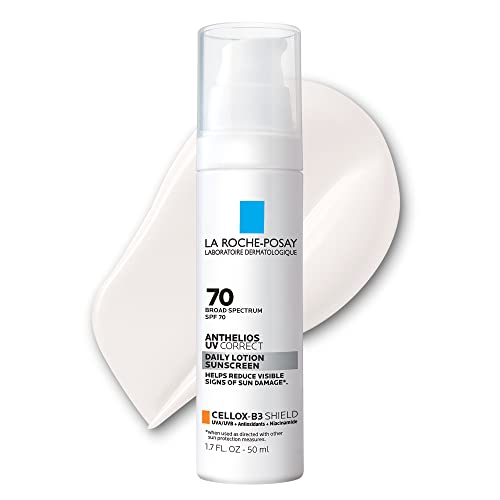 |
La Roche-Posay Anthelios UV Correct SPF 70 | Contains niacinamide | High SPF 70 | Improves skin texture | View On Amazon | Read Review |
| Refreshing Gel Favorite |  |
Skin Aqua UV Super Moisture Gel SPF 50 | Huge 110g size | Watery gel texture | Super hyaluronic acid | View On Amazon | Read Review |
| Daily Anti-Aging Cream |  |
Neutrogena Triple Age Repair Moisturizer SPF 25 | Firms skin appearance | Daily moisturizer | Smooth application | View On Amazon | Read Review |
| Dermatologist Recommended Staple |  |
EltaMD UV Daily Untinted Sunscreen SPF 40 | Zinc oxide formula | Safe for sensitive skin | Wears under makeup | View On Amazon | Read Review |
| Head To Toe Shield |  |
EltaMD UV Lotion SPF 35 Face Body | Face and body use | Deeply moisturizing | Gentle formula | View On Amazon | Read Review |
| Advanced Serum Hybrid |  |
Kiehl's Better Screen UV Serum SPF 50 | Collagen peptide infused | High SPF 50 | Luxurious serum texture | View On Amazon | Read Review |
| Barrier Repair Choice | 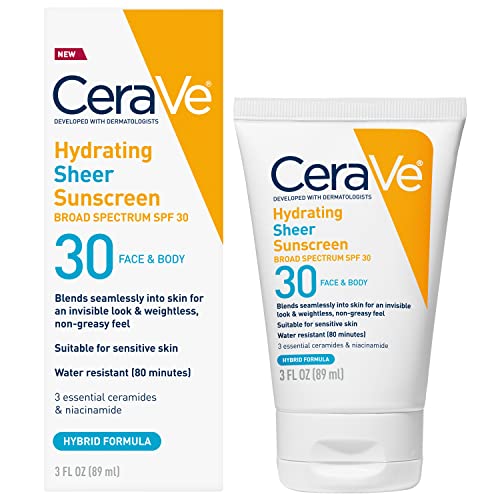 |
CeraVe Hydrating Sheer Sunscreen SPF 30 | Essential ceramides included | Hydrating sheer formula | Budget friendly | View On Amazon | Read Review |
More Details on Our Top Picks
-
La Roche-Posay Anthelios Clear Skin Sunscreen SPF 60
Finding a daily defense that does not clog pores feels like tracking a mythical creature, yet this option handles oily complexes with remarkable ease. Cell-Ox Shield technology provides broad spectrum protection while silica and perlite absorb excess oil throughout the day.
And you get a matte finish that stays put under makeup without sliding around by noon. But the 1.7-ounce tube runs out quickly if you apply the recommended amount daily, meaning you will need to restock often.
- Brand:La Roche-Posay
- Type:Lotion
- SPF Rating:60
- Volume:1.7 oz
- Key Benefit:Oil-free sun protection
- Special Feature:Cell-Ox Shield technology
- Additional Feature:Oil free formula
- Additional Feature:Broad spectrum coverage
- Additional Feature:Fast absorbing texture
-
Neutrogena Age Shield Face Sunscreen SPF 70
Sun protection should do double duty when fine lines are a primary concern, and this heavy hitter brings serious SPF 70 power to your morning routine. Helioplex technology guards against UVA rays that cause wrinkles while moisturizers keep the skin barrier plump.
Most high number formulas feel like a heavy mask, but this one remains surprisingly lightweight during wear. Yet the fragrance might irritate ultra-sensitive skin types, so patch testing is a smart move first.
- Brand:Neutrogena
- Type:Lotion
- SPF Rating:70
- Volume:3 fl oz
- Key Benefit:Anti-aging sun protection
- Special Feature:Helioplex technology
- Additional Feature:PABA free
- Additional Feature:Oil free lotion
- Additional Feature:Non-comedogenic formula
-
SKIN1004 Hyalu-Cica Water-Fit Sun Serum SPF 50
K-beauty formulations often master the art of weightless wear, and this serum sunscreen feels just like a refreshing glass of water for parched skin. Centella asiatica soothes redness while hyaluronic acid draws moisture deep into the surface layers.
You will appreciate the zero white cast finish that blends invisibly across every skin tone. But the smaller 1.69-ounce bottle requires careful budgeting if you use it from face to décolletage.
- Brand:SKIN1004
- Type:Serum
- SPF Rating:50
- Volume:1.69 fl oz
- Key Benefit:Hydrating UV protection
- Special Feature:Hyalu-Cica formula
- Additional Feature:Centella asiatica extract
- Additional Feature:Water fit texture
- Additional Feature:Fast absorption
-
La Roche-Posay Anthelios UV Correct SPF 70
Targeting existing sun damage while preventing new spots requires a specialized approach, which is why this corrective lotion includes Niacinamide and cell-ox shield. Dermatologists often recommend this exact profile for fading discoloration over time.
You get high protection combined with visible texture improvements within a few weeks of consistent use. But the rich cream base can feel a bit heavy if your skin leans naturally oily.
- Brand:La Roche-Posay
- Type:Lotion
- SPF Rating:70
- Volume:1.7 oz
- Key Benefit:Corrects aging signs
- Special Feature:UV Correct technology
- Additional Feature:Dermatologist tested
- Additional Feature:Broad spectrum defense
- Additional Feature:Lightweight feel
-
Skin Aqua UV Super Moisture Gel SPF 50
Japanese sunscreens have built a cult following for good reason, and this hydrating gel delivers a splash of moisture without any sticky residue. Super hyaluronic acid plumps up fine lines while the fluid texture spreads across the face like a dream.
A generous size means you will not run out by the end of the month. But the alcohol content near the top of the ingredients list might dry out compromised skin barriers.
- Brand:Skin Aqua
- Type:Gel
- SPF Rating:50
- Volume:110g
- Key Benefit:Super moisture hydration
- Special Feature:PA++++ rating
- Additional Feature:Pack of two
- Additional Feature:Lightweight formula
- Additional Feature:Quick drying
-
Neutrogena Triple Age Repair Moisturizer SPF 25
Moisturizer and sun protection can merge into a single morning step when you want to simplify a crowded bathroom counter. Hexinol technology targets firmness while glycerin plumps up dehydration lines for a smoother canvas.
A moderate SPF 25 rating works well for indoor days and light errand running. But you will want a dedicated high SPF sunscreen if you plan to spend hours under direct summer sunlight.
- Brand:Neutrogena
- Type:Cream
- SPF Rating:25
- Volume:1.7 fl oz
- Key Benefit:Triple age repair
- Special Feature:Hexinol technology
- Additional Feature:Anti-wrinkle formula
- Additional Feature:Vitamin C blend
- Additional Feature:Glycerin infused
-
EltaMD UV Daily Untinted Sunscreen SPF 40
Sensitive skin demands gentle ingredients, and this transparent mineral blend relies on zinc oxide to bounce UV rays away from delicate tissue. Hyaluronic acid boosts moisture retention so your face stays plump all day long.
The formula wears beautifully under liquid foundation without pilling or separating. But the lower SPF 40 rating requires more diligent reapplication during peak UV hours.
- Brand:EltaMD
- Type:Moisturizer
- SPF Rating:40
- Volume:1.7 oz
- Key Benefit:Daily UV defense
- Special Feature:Transparent zinc oxide
- Additional Feature:Fragrance free
- Additional Feature:Paraben free
- Additional Feature:Non-comedogenic
-
EltaMD UV Lotion SPF 35 Face Body
Protecting your neck and chest is just as important as shielding your face, and this versatile lotion works wonderfully across your entire body. Sustained moisture keeps dry patches at bay while safeguarding against premature aging.
You get a generous three ounces that makes full body application practical. Yet the SPF 35 level is on the lower side for intense outdoor excursions.
- Brand:EltaMD
- Type:Lotion
- SPF Rating:35
- Volume:3 oz
- Key Benefit:Full body hydration
- Special Feature:All skin types
- Additional Feature:Fragrance free
- Additional Feature:Sensitivity safe
- Additional Feature:Broad spectrum
-
Kiehl's Better Screen UV Serum SPF 50
Serums penetrate deeply into the skin, making this hybrid treatment a smart addition to any anti-aging regimen. Collagen peptide helps restore firmness while providing strong SPF 50 defense against environmental stressors.
The ultra-fluid texture feels like luxury skincare rather than traditional sunscreen. But the tiny 0.5-ounce bottle runs out alarmingly fast if used in the correct amounts.
- Brand:Kiehl's
- Type:Serum
- SPF Rating:50
- Volume:0.5 fl oz
- Key Benefit:Anti-aging serum protection
- Special Feature:Advanced UV serum
- Additional Feature:Fast absorbing
- Additional Feature:Invisible finish
- Additional Feature:Dermatologist tested
-
CeraVe Hydrating Sheer Sunscreen SPF 30
A compromised skin barrier lets moisture escape, which accelerates the formation of fine lines and wrinkles over time. Three essential ceramides team up with hyaluronic acid to lock in hydration while mineral filters deflect the sun.
The fluid formula is gentle enough for eczema-prone complexes. But the SPF 30 protection level means you must reapply strictly every two hours outdoors.
- Brand:CeraVe
- Type:Sunscreen
- SPF Rating:30
- Volume:3 oz
- Key Benefit:Barrier restoration
- Special Feature:Mineral and chemical filters
- Additional Feature:Allergy tested
- Additional Feature:Fragrance free
- Additional Feature:Non-greasy finish
Frequently Asked Questions
Do I really need to wear sunscreen indoors or on cloudy days?
Yes, up to 80 percent of the sun's ultraviolet rays pass straight through clouds and window glass. UVA rays are the primary driver of wrinkles, and they do not take days off just because the weather is grey. If you sit near a window or drive a car, your skin is still absorbing aging rays. Daily indoor wear prevents cumulative damage that adds up over the years. Consistency is your best defense against premature aging.
Will daily sunscreen use interfere with my anti-aging serums?
Not if you apply your products in the correct order. Always layer your active serums, like retinol or vitamin C, on clean skin first and let them absorb completely. Apply your sunscreen as the final step in your morning skincare routine before you put on makeup. This creates an even protective shield without diluting the strength of your treatment products. Give the sunscreen a few minutes to set before adding foundation.
How much sunscreen do I actually need to put on my face?
Dermatologists recommend using about a nickel-sized amount for your face and neck to reach the labeled protection level. Most people apply far too little, which drastically reduces how well the product works. If measuring feels tedious, try using the two-finger rule by squeezing a line of product along the length of your index and middle fingers. That gives you roughly the correct amount for adequate coverage. Do not forget your ears and hairline.
Can chemical sunscreens cause dark spots or hyperpigmentation?
Chemical sunscreens do not cause dark spots, but heat from the sun can trigger melanin production in mature skin. Some chemical filters convert UV rays into heat, which might worsen stubborn melasma for certain skin types. If you struggle with hyperpigmentation, mineral sunscreens with iron oxides offer superior protection against visible light. These tinted formulas block the light that stimulates pigment cells. They provide an extra layer of insurance for even-toned skin.
Do expensive anti-aging sunscreens work better than drugstore options?
Price does not always dictate how well a sunscreen protects your skin from aging. Drugstore formulas often meet the exact same safety standards and use identical active ingredients as luxury brands. The main difference usually comes down to cosmetic elegance, fragrance, and added skincare boosters. If an affordable lotion feels good and you wear it consistently, it beats an expensive bottle that sits unused in your cabinet. Choose the formula that fits your budget and your skin type.