Remember when slathering on mineral sunscreens meant walking around looking like a friendly ghost? Formulas used to sit on your skin like wet paint, refusing to blend and leaving a chalky mask behind.
Thankfully, the science of sun protection has evolved quite a bit. Today's best body mineral sunscreens rely on finely milled zinc oxide to shield your skin without the ghost face.
Finding the right bottle for your next outdoor adventure takes just a quick look at the details. Let's walk through the top choices currently available.
Key Takeaways
- Prioritize formulas featuring zinc oxide or titanium dioxide as the active UV blockers if your skin easily reacts to chemical filters.
- Check the water resistance rating to ensure the protection holds up during swimming or heavy sweating sessions.
- Look for added moisturizers like hyaluronic acid or aloe vera to keep dry skin hydrated under the sun.
- Pay attention to the fluid ounce capacity so you purchase a travel-friendly size or a bulk bottle depending on your routine.
- Verify whether the lotion is fragrance-free if you manage sensitive skin or eczema flare-ups.
| Ultimate Barrier Defense |  |
CeraVe Hydrating Mineral Sunscreen SPF 50 | Contains hydrating hyaluronic acid | Broad spectrum SPF 50 | Nourishing niacinamide infusion | View On Amazon | Read Review |
| Soothing Aloe Favorite |  |
Blue Lizard Sensitive Mineral Sunscreen SPF 50 | 100 percent mineral actives | Infused with organic aloe | UVA and UVB broad spectrum | View On Amazon | Read Review |
| Lightweight Sheer Coverage |  |
Blue Lizard Australian Sheer Body Sunscreen | Fragrance and paraben free | Rubs in smooth | Water resistant formula | View On Amazon | Read Review |
| Travel Friendly Shield |  |
Sun Bum Mineral SPF 50 Body Lotion | Hawaii 104 act compliant | Infused with vitamin E | Broad spectrum moisturizing | View On Amazon | Read Review |
| Transparent Family Protection |  |
EltaMD UV Pure Mineral Sunscreen SPF 47 | Safe for kids and adults | Transparent zinc oxide finish | Oil free formulation | View On Amazon | Read Review |
| Convenient Spray Application | 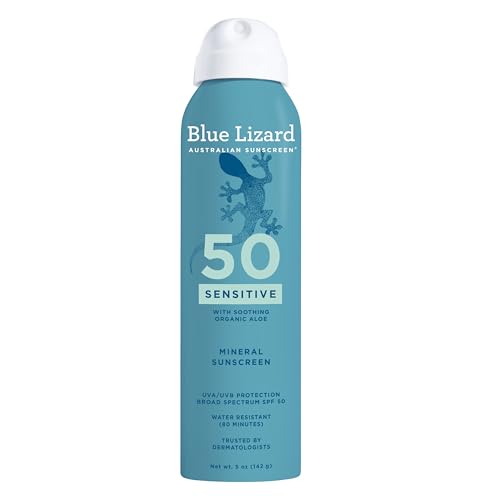 |
Blue Lizard Sensitive Mineral Sunscreen Spray | Dermatologist recommended brand | Convenient spray format | Water resistant defense | View On Amazon | Read Review |
| Compact Daily Essential |  |
Blue Lizard Sensitive Mineral Sunscreen 3oz | Pocket friendly size | 100 percent mineral actives | Soothes and hydrates | View On Amazon | Read Review |
| Sweat Resistant Endurance |  |
Coppertone Sport Mineral Sunscreen SPF 50 | Sweat and heat resistant | Free of parabens and dyes | High zinc oxide protection | View On Amazon | Read Review |
More Details on Our Top Picks
-
CeraVe Hydrating Mineral Sunscreen SPF 50
Finding a mineral sunscreen that does not dry out your skin feels like a minor miracle. This formulation combines zinc oxide and titanium dioxide with skincare staples like hyaluronic acid and niacinamide.
It is ideal for anyone dealing with dry or sensitive skin who wants broad-spectrum protection. You get reliable daily defense without the chalky residue typical of many physical blockers.
The heavier texture requires a bit of patience during application. But the lasting hydration makes the extra blending worthwhile.
- Brand:CeraVe
- Type:Lotion
- Size:5 oz
- Protection Level:SPF 50
- Key Ingredients:Zinc Oxide, Titanium Dioxide, Hyaluronic Acid, Niacinamide
- Additional Feature:Mineral physical blockers
- Additional Feature:Daily body sunscreen
- Additional Feature:Fragrance free formula
-
Blue Lizard Sensitive Mineral Sunscreen SPF 50
Sensitive skin demands a gentle touch, and this classic lotion delivers precisely that. Infused with organic aloe vera, it actively calms the skin while shielding you from harsh ultraviolet rays.
The smart bottle even changes color in UV light to remind you when sun protection is needed. That clever feature makes it a fantastic choice for outdoor excursions with family.
The thick lotion takes some effort to rub in completely. Once absorbed, it provides steadfast protection for long beach days.
- Brand:Blue Lizard
- Type:Lotion
- Size:5 fl oz
- Protection Level:SPF 50
- Key Ingredients:Zinc Oxide, Titanium Dioxide, Aloe Vera
- Additional Feature:UV sensitive bottle
- Additional Feature:Daily sun protection
- Additional Feature:Soothes and hydrates
-
Blue Lizard Australian Sheer Body Sunscreen
Heavy lotions can feel suffocating in warm weather, which is where this sheer option shines. It utilizes 100 percent mineral actives to create a barrier that glides on smoothly without a heavy white cast.
Vegan and free of fragrances, it works wonderfully for anyone prone to irritation from chemical additives. The streamlined formula keeps things simple and effective.
The smaller three-ounce size runs out quickly during heavy use. You will want to stock up before heading out for extended trips.
- Brand:Blue Lizard
- Type:Lotion
- Size:3 fl oz
- Protection Level:SPF 50
- Key Ingredients:Zinc Oxide, Titanium Dioxide
- Additional Feature:Vegan formulation
- Additional Feature:Nourishes and moisturizes
- Additional Feature:Sheer finish
-
Sun Bum Mineral SPF 50 Body Lotion
Beach lovers and frequent travelers will appreciate this compact, compliant sunscreen option. It meets strict environmental regulations by omitting octinoxate and oxybenzone, making it a reef compliant choice for tropical vacations.
Vitamin E joins the mineral actives to nourish your skin while you soak up the sun. The moisturizing texture absorbs nicely into delicate skin types.
The travel size tube empties fast if you apply it generously across your entire body. Grab a larger backup bottle for extended summer stays.
- Brand:Sun Bum
- Type:Lotion
- Size:3 oz
- Protection Level:SPF 50
- Key Ingredients:Zinc Oxide, Titanium Dioxide, Vitamin E
- Additional Feature:Sensitive skin friendly
- Additional Feature:Travel size tube
- Additional Feature:Reef conscious formula
-
EltaMD UV Pure Mineral Sunscreen SPF 47
Finding a single product that works for both adults and children simplifies packing immensely. This oil-free formula features a transparent zinc oxide finish that avoids the ghostly pale look common with mineral sunscreens.
Vitamin C adds an extra layer of antioxidant defense against environmental stressors. It stands up to swimming and sweating for up to eighty minutes.
The price point sits higher than drugstore alternatives. The versatile performance across different age groups justifies the investment.
- Brand:EltaMD
- Type:Lotion
- Size:4 oz
- Protection Level:SPF 47
- Key Ingredients:Zinc Oxide, Titanium Dioxide, Vitamin C
- Additional Feature:Water resistant up to 80 minutes
- Additional Feature:Antioxidant enriched
- Additional Feature:Suitable for face and body
-
Blue Lizard Sensitive Mineral Sunscreen Spray
Reaching difficult spots on your back becomes much easier with a continuous spray format. This dermatologist-recommended brand delivers broad spectrum zinc oxide protection without requiring awkward rubbing contortions.
It maintains the gentle approach of its lotion counterpart while offering speedier coverage. The water-resistant finish holds up well during active outdoor use.
Sprays tend to run out faster than traditional lotions due to product drift in the wind. Apply it in a sheltered area to ensure maximum skin coverage.
- Brand:Blue Lizard
- Type:Spray
- Size:5 oz
- Protection Level:SPF 50
- Key Ingredients:Zinc Oxide, Titanium Dioxide
- Additional Feature:Daily body sunscreen
- Additional Feature:Sensitive mineral formula
- Additional Feature:UVA and UVB protection
-
Blue Lizard Sensitive Mineral Sunscreen 3oz
Carrying a massive sunscreen bottle in your everyday bag is rarely practical. This smaller tube delivers the exact same soothing aloe formula in a pocket-friendly package.
One hundred percent mineral actives protect your skin from daily ultraviolet exposure during commutes and errands. It hydrates while guarding against sunburn.
The modest three-ounce capacity requires frequent replacements if you spend long hours outdoors. Keep it reserved for touch-ups and daily on-the-go defense.
- Brand:Blue Lizard
- Type:Lotion
- Size:3 oz Tube
- Protection Level:SPF 50
- Key Ingredients:Zinc Oxide, Titanium Dioxide, Aloe Vera
- Additional Feature:Daily sunscreen protection
- Additional Feature:Broad spectrum coverage
- Additional Feature:Travel ready tube
-
Coppertone Sport Mineral Sunscreen SPF 50
Athletes and runners need a physical sunscreen that stays put when heart rates spike. This heavy-duty formula resists sweat, heat, and water without stinging your eyes during intense exertion.
It skips common irritants by leaving out PABA, parabens, and synthetic dyes. You get reliable protection that performs under pressure.
The thick consistency demands thorough rubbing to avoid a white cast on darker skin tones. Take an extra minute to blend it in before your workout starts.
- Brand:Coppertone
- Type:Lotion
- Size:5 fl oz
- Protection Level:SPF 50
- Key Ingredients:Zinc Oxide
- Additional Feature:Sport endurance formula
- Additional Feature:Water resistant defense
- Additional Feature:PABA and oxybenzone free
Frequently Asked Questions
Will mineral sunscreen leave a white chalky layer on my skin?
Traditional mineral formulas often leave a visible white residue, especially on deeper skin tones. However, many modern brands use clear zinc or tinted bases to blend smoothly. Taking an extra minute to thoroughly massage the lotion into your skin usually minimizes the leftover cast.
How much body sunscreen do I actually need to use?
Dermatologists generally recommend using about one ounce, roughly the size of a shot glass, to cover your entire body. Skimping on this amount drastically reduces the actual SPF protection you receive from the bottle. If you are just dotting a tiny amount on your arms and spreading it thin, you are likely getting a fraction of the advertised defense.
Does mineral sunscreen expire and lose its effectiveness?
Yes, sunscreen ingredients degrade over time, and most bottles carry an expiration date stamped on the crimp of the tube. Using expired product means you run a high risk of getting burned because the active mineral filters break down and lose potency. If your lotion has separated, changed color, or smells strange, toss it out and buy a fresh tube.
Can I use my facial mineral sunscreen on my body?
You certainly can use a facial formula on your body, but your wallet might object quite quickly. Facial sunscreens usually come in much smaller tubes and carry a higher price tag per ounce. Body formulas are specifically engineered to spread easily across large surface areas without running out in a single weekend.
Is mineral sunscreen safe for marine life and coral reefs?
Mineral sunscreens are widely considered reef safe because they lack oxybenzone and octinoxate, the harsh chemicals known to bleach coral. Choosing a non-nano mineral formula ensures the particles are too large for coral to ingest. You can enjoy your beach day with peace of mind knowing your skincare routine is not harming delicate marine ecosystems.