Many parents simply grab the first bottle off the shelf, assuming all infant lotions offer identical protection against harsh rays. But choosing the wrong formula can leave tender skin red and irritated before you even reach the beach.
That is why finding the best baby safe sunscreens requires a careful look at mineral ingredients and active agents.
Let us break down the top formulas so you can make an informed choice for your little one today.
Key Takeaways
- Prioritize zinc oxide as the primary active ingredient because it sits on top of the skin to block UV rays rather than absorbing into the bloodstream.
- Check labels for fragrance-free designations to minimize the risk of contact dermatitis and allergic reactions on sensitive skin.
- Look for water resistance ratings lasting at least 80 minutes to ensure adequate protection during swimming and heavy splashing.
- Select mineral formulas over chemical filters because physical barriers cause significantly less irritation for infants.
- Consider convenient formats like sticks or roll-ons for fast, mess-free application around the face and eyes.
| Overall Top Pick | 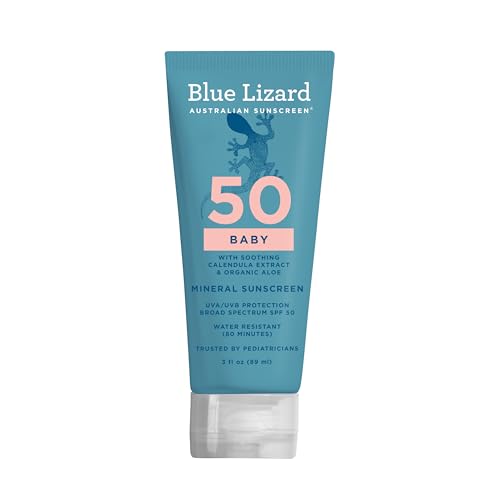 |
Blue Lizard Baby Mineral Sunscreen 3 oz | Broad spectrum UVA and UVB | Chemical free mineral shield | Smart cap changes color | View On Amazon | Read Review |
| Sensitive Skin Essential |  |
Aveeno Baby Continuous Protection Sunscreen | Nourishing oat extract | Sweat and water resistant | Paraben free blend | View On Amazon | Read Review |
| Best Value Tube |  |
Blue Lizard Baby Mineral Sunscreen 5 oz | Larger 5 ounce size | Mineral based protection | Reliable water resistance | View On Amazon | Read Review |
| Mess Free Applicator |  |
Sun Bum Baby Bum Roll On | Convenient roll on stick | Reef compliant ingredients | Vegan friendly formula | View On Amazon | Read Review |
| Quick Face Stick |  |
Blue Lizard Baby Sunscreen Stick | Targeted face application | Pocket friendly size | Mineral zinc formula | View On Amazon | Read Review |
| Budget Friendly Splash |  |
Coppertone WaterBabies Baby Sunscreen Lotion | Hypoallergenic lotion | Generous 8 ounce bottle | Strong water resistance | View On Amazon | Read Review |
More Details on Our Top Picks
-
Blue Lizard Baby Mineral Sunscreen 3 oz
Parents looking for reliable daily defense will find this formula hits all the right marks. The 100 percent mineral active ingredients sit on top of the skin to reflect UV rays rather than absorbing them.
You get dependable SPF 50+ protection that holds up well during splash time. One minor catch is that mineral lotions tend to leave a noticeable whitish layer behind.
- Brand:Blue Lizard
- Type:Mineral sunscreen
- Size:3 ounce tube
- Protection:SPF 50+
- Features:Water resistant
- Formula:Fragrance free
- Additional Feature:Smart cap technology
- Additional Feature:Mineral active ingredients
- Additional Feature:Water resistant formula
-
Aveeno Baby Continuous Protection Sunscreen
Sensitive little ones need a gentle touch, and this lotion delivers serious comfort. It relies on zinc oxide to shield delicate skin without triggering irritation or redness.
The tear free formula prevents stinging if rogue drops sneak near tiny eyes. On the downside, the thicker consistency requires a bit of extra elbow grease to rub in completely.
- Brand:Aveeno
- Type:Mineral lotion
- Size:3 fluid ounces
- Protection:SPF 50
- Features:Tear free
- Formula:Zinc oxide
- Additional Feature:Broad spectrum coverage
- Additional Feature:No added parabens
- Additional Feature:Sensitive skin safe
-
Blue Lizard Baby Mineral Sunscreen 5 oz
Frequent beachgoers and large families burn through small tubes with alarming speed. This generous family size ensures you will not run dry halfway through a long afternoon outside.
It offers the same robust mineral defense as the smaller version without requiring constant store trips. The bulkier tube is slightly less convenient to toss into a small diaper bag, though.
- Brand:Blue Lizard
- Type:Mineral sunscreen
- Size:5 ounce tube
- Protection:SPF 50+
- Features:Smart cap
- Formula:Fragrance free
- Additional Feature:Extended family size
- Additional Feature:UVA and UVB coverage
- Additional Feature:Mineral active zinc
-
Sun Bum Baby Bum Roll On
Applying lotion to a wiggly toddler often feels like wrestling an octopus. This clever roll on format lets you glide the product directly onto skin with minimal mess and zero sticky palms.
It meets strict Hawaii reef compliance standards by skipping harsh chemical filters entirely. Keep in mind that the compact roller dispenses product slowly if you need to cover large areas quickly.
- Brand:Sun Bum
- Type:Roll on sunscreen
- Size:3 ounces
- Protection:SPF 50
- Features:Travel size
- Formula:Mineral based
- Additional Feature:Moisturizing broad spectrum
- Additional Feature:Without octinoxate and oxybenzone
- Additional Feature:Easy glide application
-
Blue Lizard Baby Sunscreen Stick
Wrangling a squirming baby during facial application is a sport nobody wins. This portable sunscreen stick glides smoothly across cheeks and noses without dripping into eyes.
It tucks easily into the smallest pocket for on the go touchups during afternoon strolls. Because of the compact size, you will burn through this mini stick much faster than a standard bottle.
- Brand:Blue Lizard
- Type:Sunscreen stick
- Size:0.5 ounce
- Protection:SPF 50+
- Features:Easy to apply
- Formula:Fragrance free
- Additional Feature:Compact travel size
- Additional Feature:Water resistant protection
- Additional Feature:Targeted spot coverage
-
Coppertone WaterBabies Baby Sunscreen Lotion
Swimmers and splash enthusiasts need a lotion that refuses to quit in the water. This classic hypoallergenic formula is designed specifically to stay put during aquatic adventures.
It provides reliable high SPF coverage in an economical bottle that keeps wallets happy. The ingredient list contains more traditional components, which may not suit parents seeking strictly natural formulas.
- Brand:Coppertone
- Type:Sunscreen lotion
- Size:8 fluid ounces
- Protection:SPF 50
- Features:Hypoallergenic
- Formula:Water resistant
- Additional Feature:Pediatrician recommended brand
- Additional Feature:Broad spectrum defense
- Additional Feature:Extra large size
Frequently Asked Questions
When can I start putting sunscreen on my baby?
Pediatricians generally recommend keeping infants under six months old completely out of direct sunlight instead of using sunscreen. Their skin is extremely porous, and their bodies cannot process chemical or mineral ingredients the same way older children can. When shade and lightweight clothing are not enough, you can apply a tiny amount of mineral sunscreen to small exposed areas like the face and back of the hands. Once your baby reaches six months, you can apply sunscreen liberally to all exposed skin.
Why is mineral sunscreen so thick and hard to rub in?
Minerals like zinc oxide are heavy powders that do not naturally dissolve into liquids. Manufacturers mix these powders into a base lotion, and the result is a stubborn white cast that takes some elbow grease to blend. That ghostly white layer is actually helpful because it shows you exactly where you already applied the lotion. Warming the cream between your fingertips before applying helps it glide across the skin much easier.
How much sunscreen do I actually need to use on a baby?
Most people apply far too little sunscreen, cutting the actual protection level in half. You need about one ounce, which fills a shot glass, to cover a typical toddler from head to toe. Do not forget easily missed spots like the tops of the feet, the back of the neck, and the tips of the ears. Applying a thick, even layer ensures your baby gets the full SPF protection listed on the bottle.
How often do I need to reapply sunscreen?
You should reapply baby sunscreen every two hours without fail. If your child has been swimming or sweating heavily, you need to reapply immediately after they dry off. Sunscreen breaks down and rubs off on clothing, car seats, and playground equipment throughout the day. Setting a timer on your phone is an easy way to remember when it is time for another application.
Does baby sunscreen expire?
Yes, sunscreen ingredients break down over time and lose their protective capabilities. Most bottles feature an expiration date stamped on the crimp of the tube or printed on the label. If you cannot find a date, a good rule of thumb is to discard sunscreen after three years. Using expired sunscreen is a gamble you do not want to take with delicate infant skin.