
Getting your skincare routine right is a bit like learning a new dance; it takes a little patience before you find the rhythm. If you are looking to start using retinol, you have probably heard that it’s the gold standard for turning back the clock on fine lines and texture.
But let’s be real, diving straight into a potent retinol serum without a plan is a recipe for a flaky, red disaster. When you learn how to apply retinol serum correctly, you unlock a powerful tool that can brighten your complexion and smooth out those stubborn dark spots.
Understanding the Basics of Retinoids
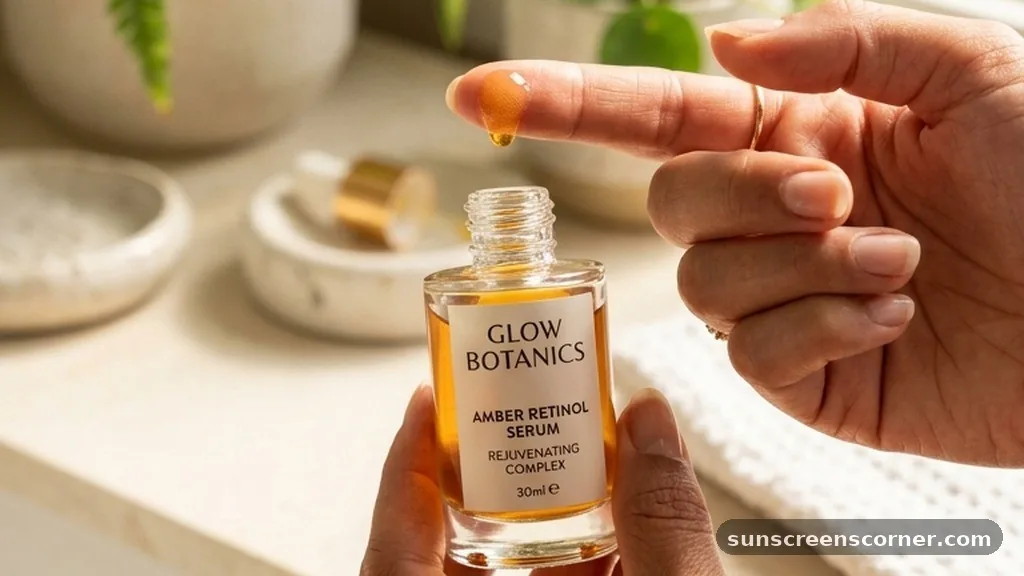
At its core, a retinoid is a derivative of vitamin A, which acts as a cellular communication agent. When you apply it to your skin, it signals cells to turnover faster, effectively encouraging the production of fresh, healthy tissue. It’s not just a trend; it’s backed by decades of dermatological research.
Many people get confused because they think all these products are the same, but the potency and formulation matter a ton. Whether you are dealing with early signs of aging or just want a brighter glow, understanding the science helps you avoid the dreaded “retinol ugliness” that happens when you rush the process.
Why Formulation Matters for Your Regimen
Not every bottle on the shelf is created equal. Some formulas are mixed with squalane retinol to help buffer the intensity, providing a bit of hydration while the active ingredients do their heavy lifting.
If you are building a new regimen, look for stable packaging—like opaque, airless pumps—because light and air can degrade the efficacy of the product. If your bottle is clear, you might be paying for something that stopped working before it even reached your bathroom counter.
Establishing a Nightly Application Routine
The golden rule for retinol night application is simple: start slow and keep it consistent. Since these products increase cell turnover, they can initially compromise your moisture barrier. You don’t want to wake up with stinging, tight patches, so treat this like a marathon, not a sprint.
* Cleanse: Always start with a gentle, non-stripping cleanser to remove dirt and grime.
* Dry: Wait for your face to be completely dry. Applying actives on damp skin can cause deeper penetration and irritation.
* Apply: Use a pea-sized amount for the entire face. Dot it on your forehead, cheeks, and chin, then smooth it out.
* Wait: Let the product absorb for a few minutes before layering anything else on top.
Common Mistakes to Avoid
It is easy to get over-excited when you hear about the benefits, but more is definitely not better. One of the most common mistakes is mixing your active serum with other harsh ingredients. You should never mix your treatment with strong exfoliating acid products, like glycolic or salicylic, on the same night.
This is a fast track to inflammation. Also, many beginners forget the neck and chest, but those areas need love too—just keep in mind that the skin there is thinner and might be more sensitive to the product.
| Common Mistake | Why It Happens | How to Fix It |
|---|---|---|
| Over-application | Thinking more serum equals faster results | Stick to a pea-sized amount only |
| Skipping SPF | Forgetting that retinoids increase sun sensitivity | Wear broad-spectrum sunscreen every day |
| Mixing Actives | Trying to do too much at once | Use exfoliating acids on alternating nights |
Building Tolerance for Beginners
If you are brand new to this, the “sandwich method” is your best friend. Start by applying a light layer of moisturizer, then your retinol, and then another layer of moisturizer on top. This creates a buffer that slows down the absorption just enough to keep your skin happy while it adjusts.
You can also start by using the product just two nights a week, gradually increasing the frequency as your skin builds tolerance. If you notice persistent flaking, back off for a few days and focus entirely on hydration until you feel back to normal.
Addressing Topical Gaps: Retinol at Different Ages
A frequent question is whether you can use retinol at a young age, like 22. The truth is that there is no magic age, but it’s often used as a preventative measure. In your early twenties, you might not need a high-strength prescription, but a gentle over-the-counter option can help keep pores clear and texture smooth.
By the time you reach your thirties, the focus often shifts more toward collagen production and addressing fine lines. The key isn’t the number on your birthday cake; it’s how your skin reacts to the treatment. Listen to your face, as it will tell you exactly what it needs.
The Role of Hydration and Barrier Support
You cannot talk about these powerful actives without talking about the moisture barrier. If your barrier is damaged, no amount of serum will make you look radiant. Incorporate ceramides, hyaluronic acid, or peptides into your morning routine to keep the skin plump and resilient.
Think of these as the “support team” that keeps your face hydrated while the retinol does its job. If you feel like your skin is getting too dry, don’t be afraid to take a night off. Recovery is just as important as the application itself.
Strategic Tips for Long-Term Success
Consistency is the secret sauce. You won’t see dramatic changes in a week, but after three to six months, the difference in your skin’s tone and texture is usually quite visible. Keep a simple log if you feel like you’re losing track, and don’t get discouraged if you have a bad week.
Every skin journey has its ups and downs. Focus on the long-term health of your skin rather than chasing instant perfection, and you will be much happier with the results.
FAQ Section
Is it okay to use retinol serum every single night?
Most experts recommend starting two or three times a week, slowly increasing frequency as your skin tolerates it.
What should I never mix with my retinol serum?
Avoid mixing it with strong exfoliating acids like glycolic or salicylic acid to prevent severe skin irritation.
Can I apply retinol serum around my eyes?
Only if the product is specifically formulated for the eye area, as the skin there is extremely delicate.
What is the best time of day to apply retinol?
Always use it at night, as the ingredients can break down in sunlight and increase your sun sensitivity.
Do I need a moisturizer after applying retinol?
Yes, applying a moisturizer helps lock in the product and prevents the dryness often associated with these treatments.
How much retinol serum should I use per application?
A pea-sized amount is sufficient to cover your entire face without causing unnecessary irritation or waste of product.
Can I use retinol if I have sensitive skin?
Yes, but start with a low-concentration formula and use the sandwich method to buffer the product’s intense effects.