People often buy the cheapest bottle on the shelf and assume all SPF protection performs equally under the midday sun.
That is an expensive mistake when UV rays start damaging exposed skin.
You need reliable data to make a smart choice.
That is why researching the best sunscreens consumer reports ratings helps separate marketing hype from actual skin defense.
Let us look at four notable options that merit attention.
Key Takeaways
- Prioritize broad spectrum formulas to shield skin from both UVA and UVB rays effectively.
- Check the water resistance rating if you plan on swimming or sweating heavily during outdoor activities.
- Select a higher SPF value like 50 for extended periods under intense direct sunlight.
- Verify that your lotion meets reef compliant standards to protect fragile marine ecosystems while you swim.
- Consider bulk pump dispensers if you need high capacity for large families or frequent application.
| Ultimate Outdoor Protection | 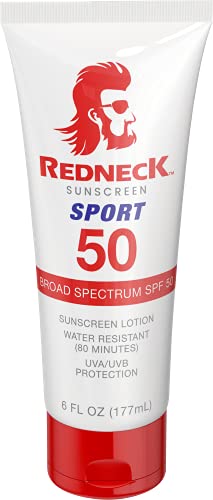 |
Redneck Sunscreen SPF 50 Sport Lotion | High SPF 50 rating | Water resistant sport formula | Convenient six ounce size | View On Amazon | Read Review |
| Eco Friendly Bulk Guard |  |
Coral Isles SPF 50 Reef Compliant Pump | Reef compliant formula | Huge gallon pump size | Broad spectrum SPF 50 | View On Amazon | Read Review |
| Gentle Daily Defense |  |
Coral Isles SPF 30 Reef Compliant Pump | Environmentally safe ingredients | Economical bulk sizing | Gentle daily SPF 30 | View On Amazon | Read Review |
| Historical Consumer Guide |  |
ShopSmart July 2013 Sunscreen Guide | Archived consumer research data | Historical market perspective | Independent performance analysis | View On Amazon | Read Review |
More Details on Our Top Picks
-
Redneck Sunscreen SPF 50 Sport Lotion
When you need serious defense against heavy sweat and long hours outdoors, this SPF 50 sport lotion delivers reliable coverage. It is built specifically for high-intensity days where standard lotions simply melt away.
You get a generous six-ounce tube that packs easily into a gym bag or backpack. And the formula stands up well against heavy perspiration without clogging your pores.
The one drawback is that heavy-duty sport formulas can leave a slightly tacky feel on the skin. You will want to wash your hands thoroughly after application.
- Brand:Redneck Sunscreen
- Type:Lotion
- SPF:50
- Water Resistance:Yes
- Size:6 oz
- Additional Feature:Designed for active sports
- Additional Feature:Sweat resistant formulation
- Additional Feature:Portable tube packaging
-
Coral Isles SPF 50 Reef Compliant Pump
Protecting your skin and local marine life at the same time requires a thoughtful formula, and this reef compliant broad spectrum option fits the bill. It is ideal for large families or frequent beachgoers who burn through small bottles in a single weekend.
The massive gallon pump makes dispensing effortless by the pool or back patio. You get reliable broad-spectrum defense against both UVA and UVB rays without harming delicate coral ecosystems.
Storing a massive 128 fluid ounce container takes up considerable shelf space in your garage or pantry. Portioning it into smaller travel bottles becomes necessary for daily portability.
- Brand:Coral Isles
- Type:Pump
- SPF:50
- Size:128 Fl Oz
- Reef Compliance:Yes
- Additional Feature:Eco friendly ingredients
- Additional Feature:Convenient bulk dispenser
- Additional Feature:UVA and UVB defense
-
Coral Isles SPF 30 Reef Compliant Pump
Choosing a milder sun blocker for everyday wear is smart when your skin needs protection without excessive chemical weight. This SPF 30 broad spectrum formulation offers a lighter feel for standard outdoor errands and casual yard work.
The huge pump bottle ensures your household stays fully stocked all summer long. Because the ingredients meet strict environmental standards, you can swim in tropical waters with a clear conscience.
Lower sun protection factor ratings require more frequent reapplication during peak afternoon hours. You will need to reapply every two hours for continuous coverage.
- Brand:Coral Isles
- Type:Pump
- SPF:30
- Size:128 Fl Oz
- Reef Compliance:Yes
- Additional Feature:Reef safe formulation
- Additional Feature:Easy push pump
- Additional Feature:Broad spectrum coverage
-
ShopSmart July 2013 Sunscreen Guide
Finding reliable historical data on legacy sun protection requires looking back at trusted consumer testing archives. This publication provides a fascinating snapshot of how formulation standards evolved over the past decade.
You gain valuable context regarding chemical versus mineral blocker performance from past eras. The insights help you understand which laboratory metrics consistently matter most for skin health.
Older buying guides lack relevance for newly introduced chemical formulations and modern reef safety regulations. You should treat this publication strictly as an archival reference rather than a current shopping list.
- Brand:ShopSmart
- Type:Publication
- Additional Feature:July 2013 issue
- Additional Feature:Consumer protection advice
- Additional Feature:Comparative performance data
Frequently Asked Questions
How much sunscreen do I actually need to use for my entire body?
Adults need roughly one ounce, which fills a standard shot glass, to cover all exposed skin adequately. Most people apply only a fraction of this amount, which cuts their actual protection down to a fraction of the listed SPF.
Does sunscreen expire, and is it safe to use last year's bottle?
Yes, active ingredients degrade over time, and heat speeds up that chemical breakdown significantly. Check the expiration date printed on the crimp of the tube, and discard any bottle that has separated, changed color, or developed a strange odor.
Can I use my facial sunscreen on my body and vice versa?
You can interchange them in a pinch without any safety risks. However, facial sunscreens are usually more expensive and formulated to avoid greasy finishes or breakouts, while body lotions prioritize sheer volume and water resistance.
Does wearing sunscreen block my body from producing vitamin D?
Real-world application habits rarely block vitamin D synthesis entirely because people miss spots and apply too little. Most dermatologists agree that the skin cancer prevention benefits far outweigh the minor decrease in vitamin D production.
Should I apply sunscreen before or after my daily moisturizer?
Always apply your sunscreen as the final step in your morning skincare routine before makeup. Putting moisturizer on top disrupts the protective film and dilutes the active ingredients, rendering your SPF much less effective.