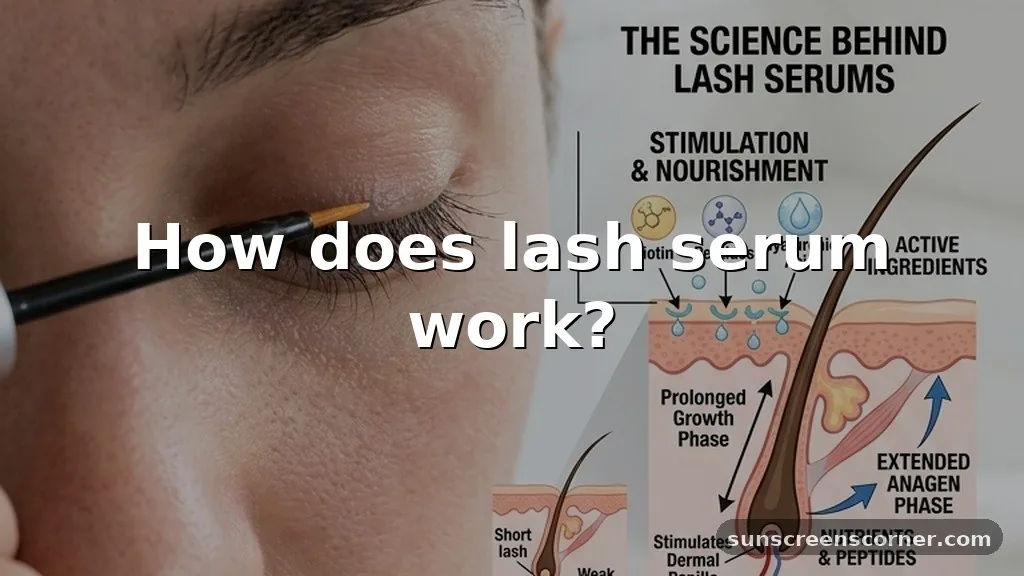
Achieving a fuller, more dramatic fringe often feels like a never-ending battle with curlers and clumpy formulas. If you’ve spent any time browsing beauty aisles, you’ve likely wondered if lash serums are a genuine solution or just another clever marketing gimmick.
The short answer is that, yes, these products can indeed work to improve the appearance of your eyelashes, but the science behind them is a bit more nuanced than a simple magic wand effect. Understanding how these treatments interact with your hair follicles is key to managing your expectations and achieving those coveted results.
The Science Behind Lash Serums and Growth
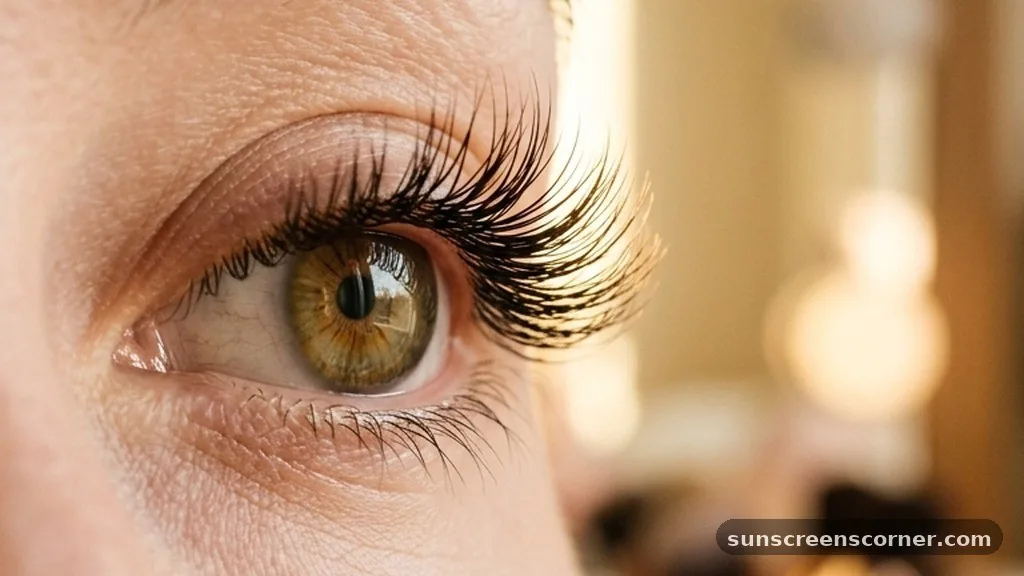
At their core, most effective eyelash serum formulas function by conditioning the hair and extending its natural growth cycle. Your lashes go through three distinct phases: anagen (growth), catagen (transition), and telogen (resting/shedding).
By nourishing the follicle and sometimes stimulating the hair bulb, these serums help prolong the anagen phase. This essentially allows the hair to grow for a longer period before it naturally falls out.
When you consistently use a product designed for growth, you aren’t necessarily creating new hair follicles where none existed, but you are maximizing the potential of the ones you already have. Many formulas contain peptides, amino acids, and botanical extracts that strengthen the hair shaft, making it less prone to breakage. When lashes don’t break off prematurely, they appear longer and thicker, giving the overall eye area a more defined look.
Setting Realistic Expectations for Results
Patience is a virtue when it comes to beauty routines, and this is especially true for lash care. You won’t wake up with a dramatic, fluttery fringe after a single application.
Most users start to notice a visible difference within four to eight weeks of daily, consistent application. Because the hair growth cycle is relatively slow, it takes time for the new, healthier hairs to push through and for the existing lashes to reach their maximum length.
It is helpful to keep a progress log or take photos at the start of your journey. Since the change happens gradually, you might not notice it day-to-day, but looking back at your baseline photos after two months usually reveals a clear improvement in density and length.
Ingredients That Make a Difference
Not all bottles on the shelf are created equal. When shopping, look for ingredients that are backed by clinical data or known for their hair-strengthening properties.
Peptides are the most common active ingredients, as they help support the structural integrity of the hair. Hyaluronic acid is another frequent addition, which helps hydrate the lashes, preventing them from becoming brittle.
Some formulas rely on prostaglandin analogs, which are highly effective at stimulating growth but come with a higher risk of side effects. While these are often the most potent options for achieving long lashes, they can occasionally cause skin irritation or changes in eye pigmentation for sensitive users. Always check the label and consider your personal skin sensitivity before committing to a specific brand.
How to Safely Apply Lash Serum
Proper application is just as important as the quality of the product itself. The goal is to apply the formula to the skin at the base of your eyelashes, not directly onto the hairs themselves. Think of it like applying liquid eyeliner; you want the serum to reach the follicle where the growth happens.
1. Start with a clean, makeup-free face. Ensure no residue from mascara or cleanser remains.
2.
Carefully draw a thin line along the upper lash line.
3. Allow the product to dry completely before applying any other eye creams or makeup.
4. Stick to once-daily application, usually at night, to allow the serum to absorb fully while you sleep.
Using more product than recommended will not speed up the process. In fact, it often leads to product runoff into the eyes, which can cause redness or discomfort.
Addressing Potential Side Effects and Safety
While most people tolerate these beauty treatments well, it is important to be aware of potential downsides. Some users report mild irritation, redness, or a feeling of dryness around the eyelid margin. If you have a history of eye conditions like glaucoma or severe allergies, it is always a smart move to consult with your dermatologist or an ophthalmologist before introducing new products into your routine.
If you experience persistent itching or swelling, stop using the serum immediately. Most of these reactions subside once the product is discontinued. For those with sensitive skin, opting for a formula free from fragrances and harsh preservatives can significantly reduce the risk of an adverse reaction.
What Happens When You Stop Using Lash Serum?
A common question is whether the benefits persist once you stop the treatment. The short answer is no; the effects are not permanent. Because your eyelashes have a natural shedding cycle, they will eventually return to their original length and thickness once you cease application.
Think of it like a vitamin or a conditioning treatment for your hair; once you stop providing the nutrients, the hair will eventually revert to its natural state. If you want to maintain your results, you will need to continue using the serum as part of your ongoing beauty regimen, perhaps moving to a maintenance schedule of a few times per week rather than daily.
Topical Gaps: Debunking Common Myths
There is a lot of misinformation circulating about whether these products are actually effective or if they are just expensive water. One major gap in consumer knowledge is the distinction between “growth” and “conditioning.”
While some serums can trigger active growth, others simply prevent breakage. Both result in a better appearance, but the mechanism is different.
Another misconception is that these products can change your eye color. While some medical-grade treatments have been associated with pigmentation changes, the vast majority of over-the-counter cosmetic serums are formulated to avoid this.
Furthermore, many people ask if these serums work on eyebrows. The answer is often yes, as the hair follicles share similar biological needs, though you should verify that the specific product is ophthalmologist-tested for safety near the eye area.
| Feature | Growth-Focused Serums | Conditioning Serums |
|---|---|---|
| Primary Goal | Lengthening follicles | Preventing breakage |
| Active Ingredients | Peptides / Prostaglandins | Oils / Hyaluronic Acid |
| Expected Timeframe | 6-12 weeks | 4-8 weeks |
| Maintenance | Required for length | Required for health |
Frequently Asked Questions
Yes, they effectively condition lashes and can extend the growth cycle for a fuller, longer appearance.
How long will it take for eyelash serum to work?
Most users begin to see visible results within four to eight weeks of consistent, daily application.
Do lashes go back to normal after lash serum?
Yes, once you stop using the product, your lashes will eventually return to their natural growth cycle.
What are the downsides of eyelash serum?
Potential side effects include eye irritation, redness, or sensitivity, especially if the product gets into the eye.
Does lash serum work on eyebrows?
Many formulas are safe for use on eyebrows, helping to fill in sparse areas with consistent application.
Does lash serum make your lashes longer?
It primarily works by extending the growth phase, which allows lashes to grow longer before they shed.
Is it safe to use mascara after applying lash serum?
Yes, but ensure the serum is completely dry before applying makeup to avoid clumping or irritation.