
Getting the right glow isn’t just about buying expensive bottles; it’s mostly about the order in which you apply them. Many people toss on a handful of skincare products without thinking, but the reality is that your skin care regimen needs a specific sequence to actually penetrate the barrier. If you put a heavy moisturizer on before a lightweight serum, you’re basically locking the active ingredients out, which is a total waste of money and time.
Understanding the Rule of Consistency and Texture
The golden rule of applying products is simple: go from thinnest to thickest. Your face is like a sponge, and if you clog it up with heavy creams first, the thinner, more potent treatments won’t stand a chance.
Think of it like dressing for winter; you wouldn’t put your winter coat on before your sweater, right? Same logic applies here.
Water-based serums are designed to absorb rapidly, delivering vitamins and antioxidants deep into the epidermis. If you slap an oil or a thick balm on top of them too early, you create a physical barrier that prevents the serum from doing its job. By following the texture rule, you ensure each layer has the best possible chance to sink in.
The Morning Routine: Protection and Prevention
Your morning skincare routine should be all about defense. You’re prepping your skin to fight off pollution, UV rays, and general grime throughout the day.
Start with a gentle cleanser to clear away any sweat or remnants from your nighttime products. Once your face is clean and slightly damp, you can start the layering process.
Step 1: Cleansing and Toning
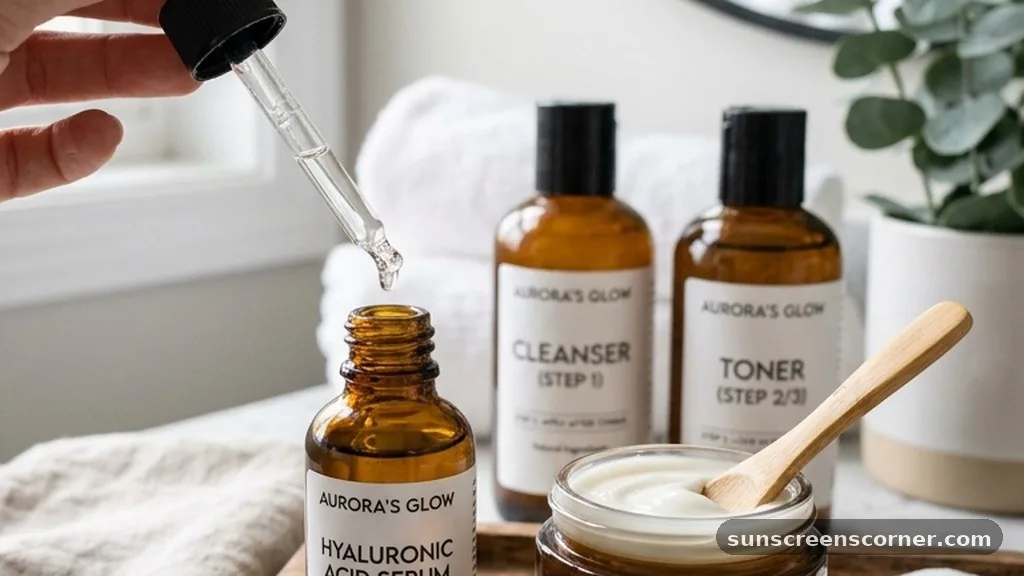
Always start with a clean canvas. If you skip this, you’re just layering product on top of yesterday’s dirt. A light toner can help balance your pH, making your skin more receptive to what follows.
Step 2: Antioxidant Serums
This is the time to reach for your Vitamin C or other brightening serums. These are usually thin and watery. Use just a few drops and pat them gently into the skin. Let them sit for a minute—don’t rush to the next step.
Step 3: Hydration and Moisture
Follow up with a light moisturizer to lock in the hydration. If you have oily skin, you might prefer a gel-based formula. If you’re dry, a cream is your best friend.
Step 4: Sunscreen
Never, ever skip sunscreen. This is the final step in every morning routine, no exceptions. It acts as a shield, protecting everything you just applied from breaking down under UV light. It doesn’t matter how great your other skincare products are; without SPF, you’re just undoing the hard work.
The Evening Routine: Repair and Restoration
At night, your skin shifts into “repair mode.” This is when you want to use the heavy hitters. Since you don’t have to worry about sun exposure or environmental pollutants as much, you can focus on treatments that might be a bit more intense, like retinoids or exfoliating acids.
Cleansing and Double Cleansing
If you wear makeup or heavy SPF, double cleansing is a game changer. Start with an oil-based cleanser to melt away the debris, then follow with a water-based one. This ensures your pores are actually clear for the treatment phase.
Targeted Treatments
This is where you bring out the big guns. Whether it’s a prescription retinoid or a chemical exfoliant, these should go on first after cleansing. They need direct contact with your skin to work effectively.
Layering Oils and Creams
If you feel like your skin is thirsty, you can follow your treatment with a nourishing cream. If you really want to seal everything in, an oil can be the very last step. Because oils are occlusive, they prevent transepidermal water loss, keeping your face hydrated until morning.
Addressing Common Topical Gaps
A lot of folks get confused about whether they need a serum if they already have a good moisturizer. The answer is usually yes, but it depends on your goals. A moisturizer is primarily an occlusive or emollient—it keeps water in.
A serum is a delivery system for high-concentration actives like niacinamide or hyaluronic acid. They aren’t interchangeable; they are teammates.
Another gap is the “waiting time” myth. Do you really need to wait ten minutes between steps? Not necessarily.
While it’s smart to wait until the product feels dry to the touch, you don’t need a stopwatch. Just give it time to absorb so you aren’t just mixing the products together on your palms before they even hit your face.
| Product Type | Typical Texture | Order of Application |
|---|---|---|
| Toner | Watery | 1st |
| Serums | Light/Viscous | 2nd |
| Moisturizer | Creamy | 3rd |
| Face Oil | Oily/Heavy | 4th |
| Sunscreen | Cream/Lotion | Final (AM only) |
How to Adjust for Skin Sensitivity
If your skin turns red or stings when you use multiple products, you might be overdoing it. Sometimes, less is more. If you’re starting a new regimen, introduce one product at a time.
Don’t start a new serum, a new moisturizer, and a new exfoliant all on the same day. Your skin barrier needs time to adjust to new active ingredients. If you feel irritation, pull back and stick to the basics: cleanse, moisturize, and protect.
The Role of Occlusives in Your Routine
Occlusives are ingredients that sit on top of the skin to create a physical seal. Think petroleum jelly or heavy botanical oils. If you apply these too early, you’re essentially creating a wall that blocks your lighter serums from ever reaching the deeper layers of your skin.
Always save these for the very end of your routine. It’s the difference between a glowing complexion and a greasy, congested one.
Evaluating Your Current Skincare Products
Take a look at your current stash. Do you have five different anti-aging serums? You probably don’t need all of them.
In fact, layering too many active ingredients can lead to “product pilling,” where the product balls up and rolls off your skin. It’s better to have a streamlined routine that you actually enjoy and follow consistently than a complex, twelve-step ritual that leaves your skin overwhelmed and irritated.
Frequently Asked Questions
Can I use a serum and a moisturizer at the same time?
Yes, you should apply the serum first, let it absorb, and then follow with your moisturizer.
Does the order of skincare really matter that much?
Absolutely, as products vary in molecular weight; applying them in the wrong order prevents proper absorption levels.
Should I apply oil before or after my moisturizer?
Always apply oil as the final step in your routine, as it is an occlusive that seals moisture.
Is it necessary to use sunscreen if I stay indoors?
Yes, UV rays can penetrate windows, so sunscreen is vital for maintaining skin health throughout the day.
How long should I wait between applying products?
Wait until the product feels dry or tacky to the touch before moving to the next step.
Can I mix my serum into my moisturizer to save time?
It is generally better to layer them individually to ensure the serum penetrates correctly before the cream.
What if my skincare products start pilling on my skin?
Pilling usually happens when products aren’t given enough time to absorb or contain incompatible ingredients like silicones.