Creating your own skincare products can feel a bit like a chemistry project, but making a hyaluronic acid serum is surprisingly straightforward once you get the hang of the ratios. By mixing a high-quality acid powder with a few simple ingredients, you can cut out the unnecessary fillers often found in high-end beauty store bottles. This process gives you full control over the concentration and purity of your topical hydration booster, allowing you to tailor the final formula to your specific skin type and sensitivity levels.
Understanding the Basics of Hyaluronic Acid Formulation
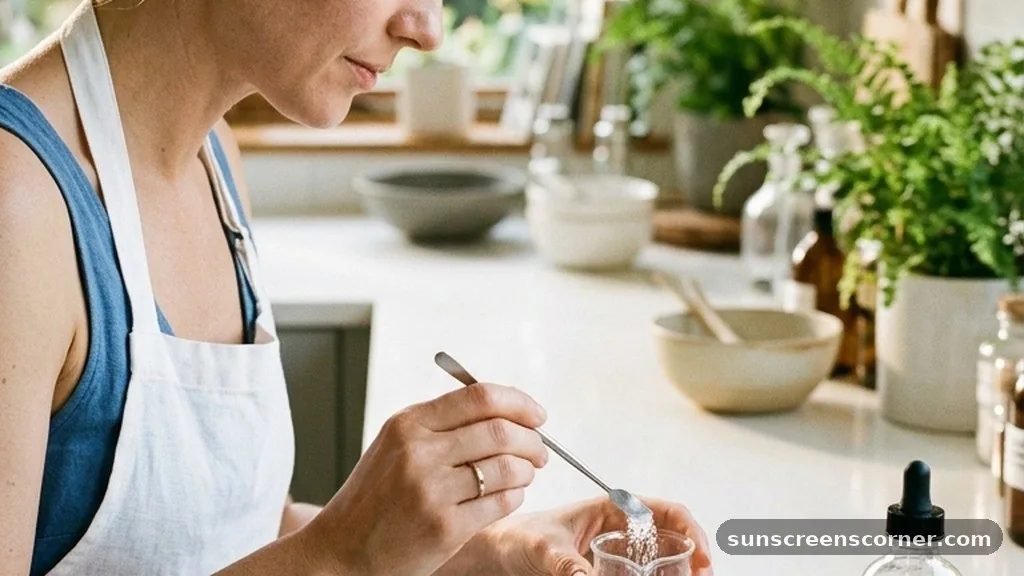
At its core, hyaluronic acid is a humectant, meaning it draws moisture from the environment and locks it into the surface layers of the dermis. When you decide to make your own version, you are essentially rehydrating a concentrated powder. Because this substance is so effective at binding water—often holding up to 1,000 times its weight—you only need a small amount to create a potent solution.
Most commercial products contain a concentration between 1% and 2%. Going higher than this isn’t necessarily better; in fact, a solution that is too thick can become tacky or fail to absorb properly.
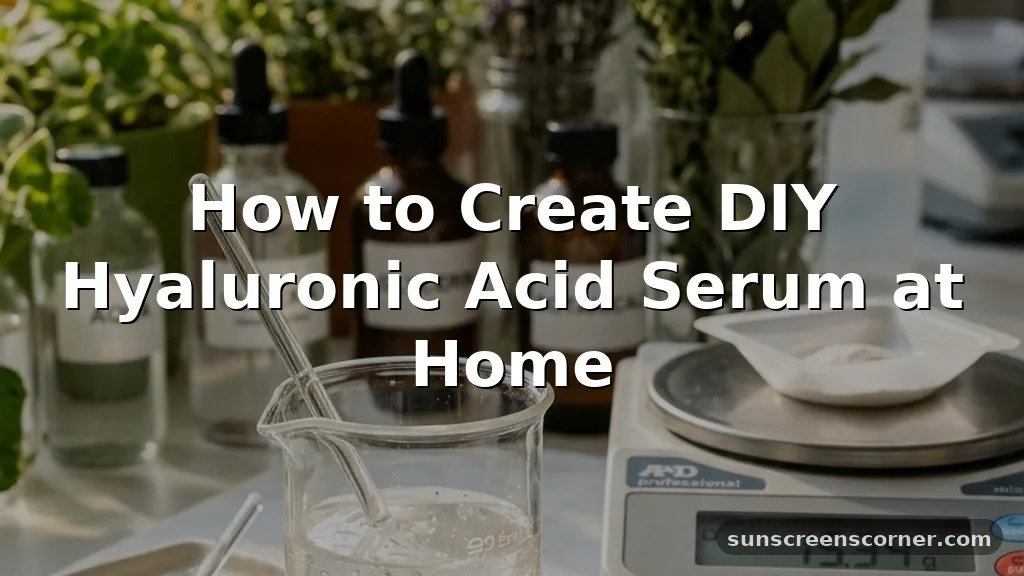
To get started, you will need a reliable scale, a clean mixing container, and distilled water to ensure the integrity of your mixture. Using tap water is a major no-no because the minerals and potential impurities can degrade the stability of the final product and lead to rapid spoilage.
Essential Ingredients and Equipment Needed
Before you begin, gather your supplies. You aren’t just tossing things into a bowl; you are creating a stable cosmetic emulsion. You will need:
* High-molecular or low-molecular weight hyaluronic acid powder (depending on your hydration goals).
* Distilled water as the primary solvent.
* A broad-spectrum preservative (this is non-negotiable if you plan to keep the serum for more than a few days).
* Optional: A humectant booster like glycerin or a soothing vitamin derivative.
* A clean, sterilized glass bottle for storage.
One common mistake beginners make is skipping the preservative. Because this serum is water-based, it is a breeding ground for bacteria and mold. Even if you store it in the fridge, you should add a safe cosmetic preservative to ensure your serum stays effective and, more importantly, safe for your face over the coming weeks.
Step-by-Step Guide to Mixing Your Serum
To make a standard 1% solution, you will need to measure your ingredients with precision. Aim for 98% distilled water, 1% hyaluronic acid powder, and 1% preservative. Start by weighing your water in a sterilized glass beaker.
Slowly sprinkle the powder over the surface of the water. Do not stir it aggressively right away, as it will clump up and take forever to dissolve.
Cover the container and let it sit for a few hours, or ideally, overnight. You will notice the powder slowly sinking and absorbing the liquid.
Once it has fully hydrated into a clear, viscous gel, you can add your glycerin or other active ingredients. Finally, stir in your preservative and pour the mixture into a dark glass bottle to protect it from light degradation.
Common Formulation Pitfalls and How to Avoid Them
Many people struggle with the texture of their DIY serum. If your batch turns out lumpy, it usually means you tried to rush the hydration process. Patience is your best friend here.
Another issue is the “tacky” feeling left on the skin. If it feels sticky, you might have used too much powder. Remember, a teaspoon of powder is actually a very large amount; always use a digital scale for accuracy.
Why Ingredient Compatibility Matters
You should be careful about what else you mix into your bottle. While adding a vitamin like B5 or C can enhance the serum, these ingredients have different pH requirements.
If the pH of your serum drops too low, the hyaluronic acid can break down, rendering it less effective. Always check the pH of your final mixture using test strips to ensure it stays in the ideal range of 5.0 to 6.0, which is generally safe for the skin.
The Role of Preservatives in Water-Based Serums
There is a common misconception that natural DIY products don’t need preservatives. However, any formula containing water is an invitation for microbial growth. If you are making a batch that you intend to use over several weeks, you must include a preservative.
Natural alternatives like radish root ferment are popular, but they aren’t always effective against all types of bacteria. Opt for a proven, broad-spectrum cosmetic preservative to keep your serum shelf-stable.
Addressing Topical Gaps: Natural Alternatives and Myths
Many people ask if they can just put 100% pure powder on their face. The answer is a hard no. Applying concentrated powder directly to the skin can actually pull moisture out of your tissues, leading to extreme dryness and irritation.
It must be dissolved in a liquid carrier first. Additionally, some dermatologists express caution regarding hyaluronic acid because, in very dry environments with low humidity, it may draw moisture from deeper skin layers if not topped with an occlusive moisturizer. Always seal your serum with a cream or oil to lock that hydration in.
Can You Make It Without Fancy Equipment?
While you can technically mix it in a jar with a spoon, the results won’t be as consistent. A digital scale is the most important tool you can own. If you try to measure by the teaspoon, you are likely to end up with a serum that is either too watery or too thick to pump out of your bottle.
FAQ Section
What ingredients should not be mixed with hyaluronic acid?
Avoid mixing it with substances that significantly shift the pH, like strong acids, which may degrade the structure.
Can you put 100% pure hyaluronic acid on your face?
No, never apply the raw powder directly to your skin as it can cause severe dehydration and irritation.
Why do some dermatologists not like hyaluronic acid?
Some warn it can dehydrate skin in extremely dry climates if not layered under an occlusive moisturizer afterward.
How do I get hyaluronic acid naturally?
You can increase intake through bone broths, citrus fruits, and leafy greens, though topical application is more targeted.
Is it necessary to use a preservative in my serum?
Yes, because water-based serums are breeding grounds for bacteria and mold, making a preservative essential for your safety.
How long does a DIY serum typically last?
With a proper preservative, a homemade serum can usually last between three to six months in a bottle.
Can I add vitamin C to my homemade serum?
Yes, but you must ensure the pH remains stable, or the vitamin C may oxidize and lose its effectiveness.