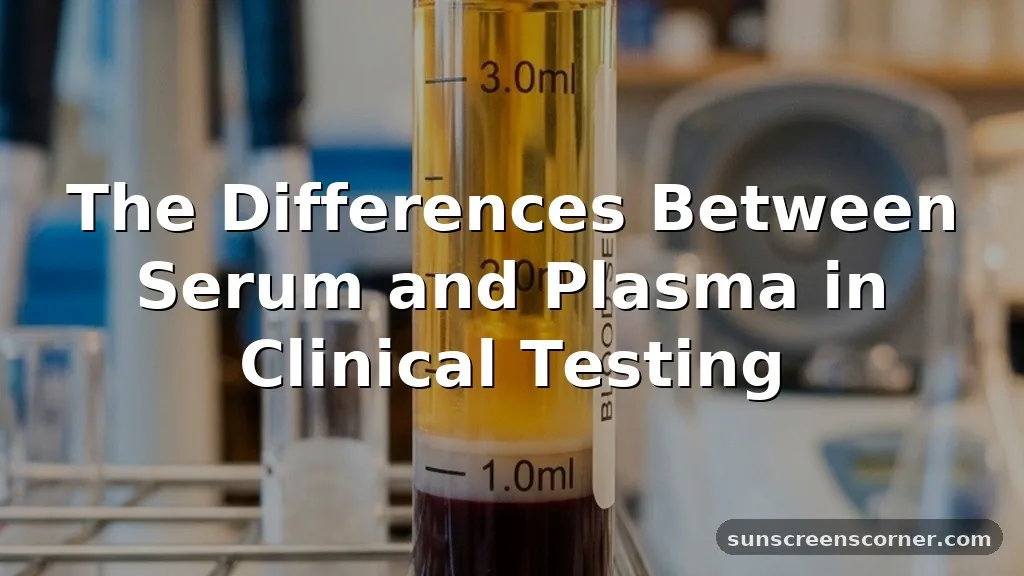
Distinguishing between serum and plasma is a fundamental aspect of clinical diagnostics that often confuses students and patients alike. While both liquids are derived from whole blood, they are processed differently and serve unique roles in medical analysis. Understanding how these components behave when you separate them from blood cells is crucial for ensuring accurate test results in any laboratory setting.
The Biological Composition of Blood
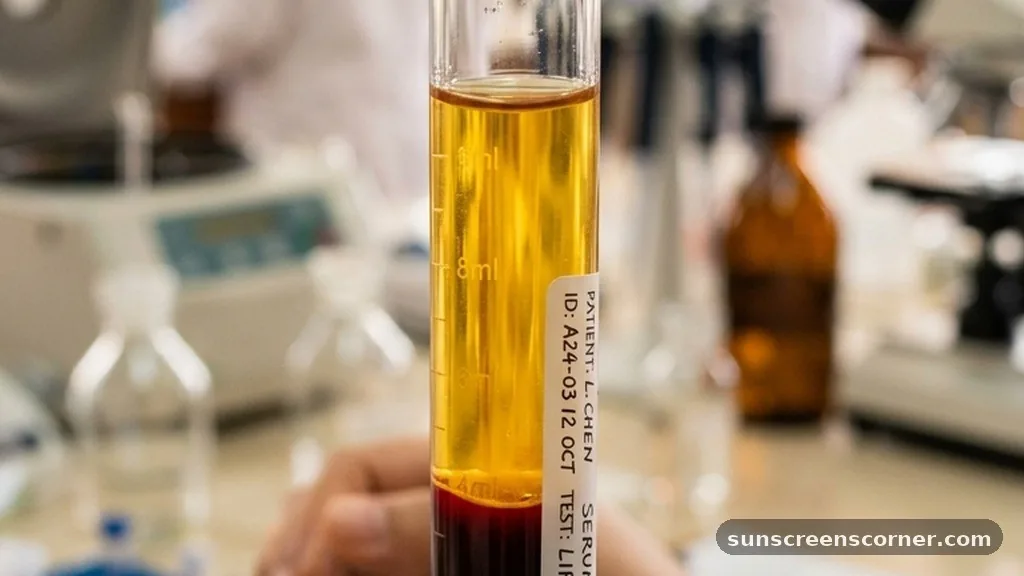
At a high level, blood is a complex connective tissue comprised of a liquid matrix known as plasma, which suspends red blood, white blood cells, and platelets. When you look at blood under a microscope, you see these cellular elements floating in a straw-colored fluid.
Plasma makes up roughly 55% of the total volume of blood. The remaining 45% consists of the solid components—the cells.
To obtain either serum or plasma, laboratory technicians must subject a sample to a process called centrifugation. This spins the blood at high speeds, forcing the heavier cellular components to the bottom of the collection vessel. The key difference between the two final products lies in whether the blood was allowed to naturally clot before this separation took place.
Defining Plasma and Its Role in Diagnostics
Plasma is the liquid portion of blood that remains when blood is prevented from clotting. To achieve this, the blood is collected into tubes that contain an anticoagulant, such as EDTA plasma stabilizers or heparin. These chemical additives bind to calcium or inhibit enzymes in the coagulation cascade, effectively stopping the blood from turning into a solid mass.
Because the clotting factors—including a protein called fibrinogen—remain suspended in the fluid, plasma is chemically closer to the blood’s natural state within the body. This makes it an ideal choice for specific types of assays that require the measurement of these factors or when rapid turnaround is needed in an emergency. Because the plasma is separated immediately after collection, it typically retains a higher concentration of proteins and other essential markers that might otherwise be consumed during the clotting process.
How Serum Differs from Plasma
Serum is essentially the fluid that remains after blood has been allowed to clot. When you collect a blood sample into a standard tube without any anticoagulants, the natural coagulation process begins.
During this time, platelets and proteins work together to form a solid clot. As the blood clots, the fibrinogen is converted into fibrin, which creates a mesh that traps the blood cells.
After the clot has fully formed, the laboratory will centrifuge the tube. The resulting liquid sitting on top of the clot is the serum.
Because the clotting process has already consumed the clotting factors, serum is essentially plasma minus the fibrinogen. Many clinical chemists prefer serum because it is free of these coagulation proteins, which can sometimes interfere with certain chemical assays or cause issues with automated testing equipment.
Key Comparison: Serum vs Plasma
Choosing between these two depends entirely on what the physician is looking for. If a test requires the analysis of coagulation markers, plasma is mandatory. If the test is looking for electrolytes, enzymes, or hormone levels, serum is often the gold standard.
| Feature | Plasma | Serum |
|---|---|---|
| Clotting Factors | Present (e.g., fibrinogen) | Absent (consumed in clot) |
| Anticoagulant | Required during collection | Not required |
| Processing Time | Can be spun immediately | Must wait for clot to form |
| Common Use | Coagulation studies, emergency tests | Routine chemistry, serology |
Filling the Gaps: Common Misconceptions
A common point of confusion is the colour difference between the two. Generally, both appear as a pale yellow or straw-colored liquid.
However, if a patient has high levels of lipids—a condition known as lipemia—the sample may appear cloudy or milky. Serum is sometimes preferred for visual inspection because the lack of fibrinogen makes the fluid slightly clearer, though this is not a strict rule.
Another gap in understanding involves the “why” behind the choice of tubes. Using the wrong tube is a frequent error in phlebotomy.
If a technician uses a tube with an anticoagulant for a test that requires serum, the results will be invalid because the chemical additives can interfere with the chemical reactions being measured. Conversely, using a plain tube when plasma is required will result in a sample that has already clotted, rendering it useless for coagulation studies.
The Importance of Proper Collection
The collection process is the most critical step in ensuring the integrity of the sample. Whether you are dealing with serum or plasma, the timing of the centrifuge cycle and the storage temperature are vital. If a sample is left sitting at room temperature for too long, the metabolism of the blood cells can alter the concentration of glucose or potassium, leading to inaccurate results.
Furthermore, hemolysis—the rupture of red blood cells—can contaminate both serum and plasma. This usually happens if the blood is drawn too forcefully or if the needle gauge is too small. When cells burst, they release intracellular contents into the fluid, which can artificially inflate test readings for markers like potassium or lactate dehydrogenase.
Clinical Applications and Assay Selection
In daily medical practice, the choice between plasma serum is often dictated by the laboratory’s automated analyzer requirements. Many modern clinical chemistry analyzers are designed to process serum because it is stable and predictable. However, in critical care settings, plasma is often favored because it saves the time required for the blood to clot, which can take anywhere from 30 to 60 minutes depending on the patient’s health.
When a physician orders a “Comprehensive Metabolic Panel,” they are usually getting a serum-based test. This looks at liver function, kidney health, and electrolyte balance. If the same doctor orders a “PT/INR” or a D-dimer test to check for blood clots, they will specifically request a plasma-based tube, usually one containing citrate, to ensure the coagulation proteins are preserved for the assay.
Addressing Common Laboratory Questions
What is the difference between serum and plasma?
Serum is blood fluid without clotting factors; plasma is blood fluid that still contains those clotting proteins.
Which is better for testing?
Neither is strictly “better”; the choice depends on the specific assay and whether coagulation factors are needed.
How do you remember the difference?
Think of plasma as the “planned” state (anticoagulant added) and serum as the “settled” state (clotted naturally).
Why is fibrinogen absent in serum?
Fibrinogen is consumed during the natural clotting blood process to form the structural mesh of the clot.
Can you use plasma for chemistry tests?
Yes, plasma is often used, but it must be collected in the correct tubes to avoid assay interference.
What causes the colour differences?
Variations in colour are usually due to lipid levels, bilirubin, or hemolysis, rather than the intrinsic nature of serum.
What happens if you use the wrong tube?
Using the wrong tube can lead to inaccurate results or coagulation interference, requiring the sample to be redrawn.