
Choosing the right face serum can feel a bit like trying to solve a puzzle. With so many products lining the shelves, it’s easy to get lost in the marketing fluff and fancy packaging.
At its core, a facial serum is a lightweight, potent formula designed to deliver high concentrations of active ingredients directly into the skin. Unlike a heavy moisturizer that sits on the surface to lock in hydration, a skin serum uses smaller molecules to penetrate deeper, addressing specific skin concerns like fine lines, hyperpigmentation, or dullness.
Understanding the Role of Serums in Your Daily Routine
Many people ask if they really need an extra step in their skincare regimen. The truth is, while a cleanser and cream are the bread and butter of health, a serum is the targeted treatment.
If you think of your routine as a meal, the cleanser is the appetizer and the cream is the dessert—the serum is the main course that actually provides the nourishment. By applying these concentrated serums before your thicker lotions, you ensure the active compounds can sink in without being blocked by occlusive layers.
Why Molecule Size Matters
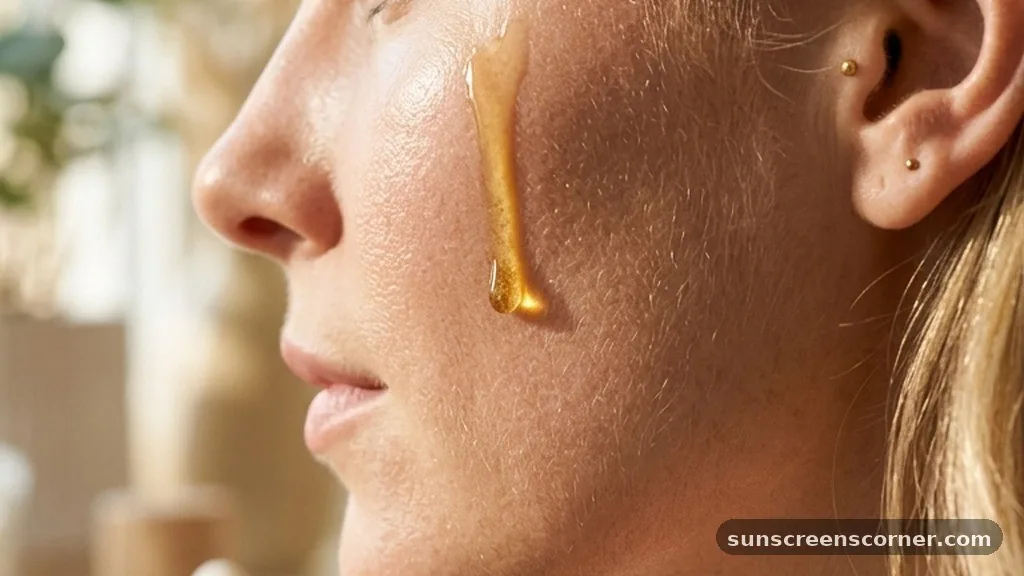
The magic of a face serum lies in its viscosity. Because these formulas are typically water-based or oil-based but very thin, they don’t leave a greasy residue. This is why they are so good at layering. When you apply a vitamin C serum in the morning, for example, you are essentially giving your face a concentrated dose of antioxidants that can fight off environmental stressors throughout the day. It’s an efficient way to manage your skin concerns without weighing your face down.
Key Ingredients to Look For
Not all bottles are created equal. When browsing for the right skin serum, you should pay close attention to the label. Depending on what you are trying to fix, certain ingredients will perform better than others.
* Hyaluronic acid: This is a hydration powerhouse. It acts like a sponge, drawing moisture from the air and binding it to your skin cells. It’s perfect for anyone dealing with dryness or that uncomfortable “tight” feeling.
* Vitamin C: The gold standard for brightening.
It helps fade dark spots and protects against sun damage.
* Retinol: A derivative of Vitamin A that speeds up cell turnover. It is widely used to combat wrinkles and acne.
* Niacinamide: A versatile form of Vitamin B3 that helps soothe redness and refine pore texture.
Matching Ingredients to Your Skin Type
Your individual skin type dictates which products you should reach for. If you have oily skin, you might prefer a lightweight, water-based facial serum that won’t clog your pores. Those with dry or sensitive skin might find that an oil-based serum provides the extra comfort they need. It’s always a smart move to patch-test new skincare items on your inner arm before slathering them all over your face, especially if you have a history of reactions.
How to Properly Apply Face Serum
There is a specific order of operations that makes your routine work effectively. You should always aim to apply your serum after cleansing and toning but before your moisturizer or SPF. Because these formulas are concentrated, you only need a few drops—usually a pea-sized amount is plenty for the entire face and neck. Gently pat the liquid into your skin rather than rubbing it vigorously; this helps with absorption and is much gentler on your delicate facial tissue.
The Layering Technique
If you are using multiple serums, the general rule of thumb is to apply them from thinnest to thickest. Start with the most watery consistency and finish with the most viscous. Wait about a minute between applications to let each one “set” before moving on to the next. This prevents pilling, which is that annoying situation where your product starts to flake off in little balls because it wasn’t given time to absorb.
| Serum Type | Best Time to Use | Primary Benefit |
|---|---|---|
| Vitamin C | Morning | Brightening & Protection |
| Hyaluronic Acid | Morning & Night | Deep Hydration |
| Retinol | Night Only | Anti-aging & Resurfacing |
| Niacinamide | Morning & Night | Oil Control & Soothing |
Addressing Common Topical Gaps
One of the biggest questions people have is whether they can skip a moisturizer if they are already using a hydrating face serum. The answer is almost always no. While a serum provides the active treatment, it is rarely enough to act as a barrier. You still need a cream or lotion to “seal” the moisture in. Without that final layer, the hydration from your serum can actually evaporate into the air, leaving your face feeling drier than before.
Another gap in knowledge is the frequency of use. Many people assume more is better. However, with potent actives like retinol or exfoliating acids, using them too often can lead to irritation or a compromised skin barrier.
Start slow—maybe two or three times a week—and build up your tolerance. If your face feels itchy, red, or inflamed, pull back. Your skin concerns won’t vanish overnight, so consistency is much more important than intensity.
When to Avoid Certain Serums
There are instances where a specific skin serum might not be the right choice. For example, if you are currently dealing with a severe breakout or a rash, it is usually best to stick to a very simple, fragrance-free regimen until your face calms down. Some active ingredients can be harsh, and throwing them at inflamed skin can make the situation worse. Furthermore, always check the shelf life. Most serums contain active compounds that degrade over time when exposed to light and air. If your bottle has changed color or smells “off,” it’s probably time to toss it.
The Sunscreen Necessity
If you are using any kind of brightening or resurfacing serum, you absolutely must wear sunscreen during the day. Many effective ingredients make your skin more sensitive to UV rays. Even if you don’t think you’re getting much sun, the damage is cumulative. Think of your SPF as the final, non-negotiable step in your daily skincare effort. Without it, you are essentially undoing all the hard work your products are trying to do.
Common Questions About Face Serums
Can I use face serum daily?
Yes, most hydrating serums are safe for daily use, but potent actives like retinol should be introduced gradually.
Is a serum better than a moisturizer?
They serve different purposes; serums treat specific concerns, while moisturizers provide essential hydration and barrier protection for skin.
What are the disadvantages of using serum?
High-quality serums can be expensive, and using the wrong active ingredient may cause irritation or breakouts if misused.
What is the use of serum on the face?
Serums deliver a concentrated dose of active ingredients deep into the skin to target specific issues like aging.
Should I use face serum every day?
You can, but it depends on the active ingredients; always follow the instructions provided on the specific product packaging.
What is serum for skin made of?
They are typically lightweight formulations containing high concentrations of actives like hyaluronic acid, vitamins, and botanical extracts for results.
Which serum is good for face brightness?
Vitamin C serums are widely considered the most effective option for brightening the complexion and fading dark skin spots.